


We need a new industrial policy
The World Bank recently released two important reports. One is Industrial Policy for Development: Approaches in the 21st Century. The other is the South Asia Economic Update for April 2026: Working with Industrial Policy. Both send a clear warning to Bangladesh: growth without urgent reforms is not sustainable.
The South Asia Economic Update presents troubling figures. Bangladesh’s growth may slow to 3.9 percent in 2026. Poverty has risen for three years in a row, with about 1.4 million more people falling into poverty. Inflation remains high at 8.5 percent. Wages for poor workers have not kept pace. The banking sector remains dangerously fragile. Non-performing loans stood at 30.6 percent in December 2025, and several banks have very little loss-absorbing capacity left.

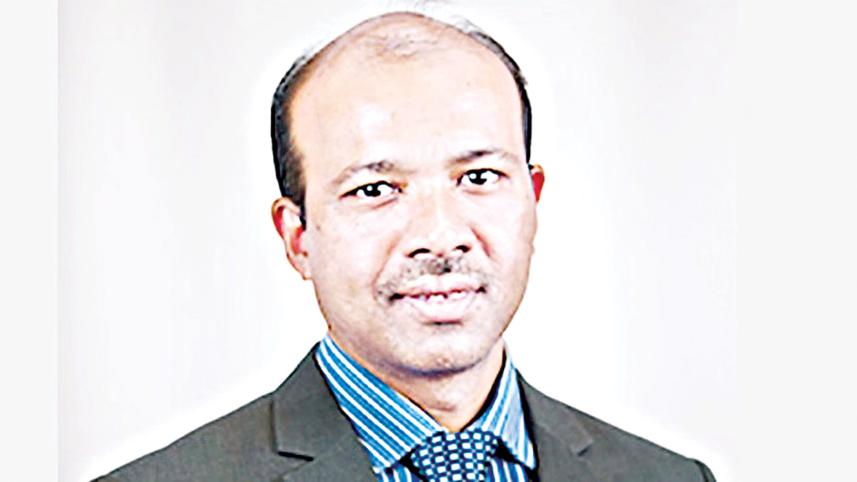
I have worked on many industrial policies for Bangladesh and represented small and medium-sized enterprises (SMEs). I sat on the core committee for years. I saw how things happened behind closed doors. External influences changed final drafts at the last minute. Donors and powerful groups made sudden demands. Small enterprises were left behind every time. I watched this pattern repeat for two decades.
Our National Industrial Policy 2022 is highly ambitious. It contains 42 action points. Yet almost none have been implemented on the ground. SMEs remain neglected in practice.
The industrial policy report pays close attention to small businesses. SMEs cannot access financing easily. High costs and risks stand in their way. Brazil’s innovative “Simples” programme helped informal firms formalise. South Korea used targeted support to grow SMEs. Romania gave tax breaks to its software industry. These offer direct lessons for us.
The World Bank economic update says SMEs face severe barriers, including high regulatory costs and unreliable power supplies. Only large export firms have grown well. The tax-to-GDP ratio has fallen below 7 percent, limiting our ability to invest in priority sectors.
A new idea is now emerging globally. The Economist recently highlighted the “partial nationalisation” of industries. This concept matters for fast-growing sectors such as AI. Global giants control most AI value today, leaving small nations far behind.
Partial nationalisation means the state takes a modest stake, not full government control. It could involve 20 percent to 30 percent ownership in strategic AI projects, including cloud hubs and Bangla language models. Profits from these investments could fund social programmes. Norway did this with its oil wealth. Singapore did it through sovereign funds.
Bangladesh faces a major deadline in 2026 as it prepares to leave least-developed country status. Trade preferences will end permanently. The WTO will impose stricter subsidy rules. AI will not wait for our committees to finish their work.
The Economist update also warns about rising global protectionism. The United States has imposed a blanket tariff, including a 19 percent reciprocal tariff on Bangladesh. This hurts our export competitiveness. Yet intra-South Asia trade could triple if tariffs are lifted. That is a huge opportunity for us.
The report calls for urgent reforms. We need smart deregulation and a stronger competition policy. We must fix the banking sector decisively. We must improve electricity reliability. Without these steps, resilience will not last.
We should not allow external actors to rewrite our drafts at the last minute. I have seen this happen too many times. A well-researched draft enters the final meeting, only for outside pressure to change everything overnight. This must stop.
The floppy disk era of policy advice is over. The World Bank’s chief economist said so himself. It is time to write our own code for Bangladesh. Let us update the 2022 policy with honesty. Let us implement what we write. Let us put SMEs at the centre. And let us explore partial nationalisation in strategic AI sectors. That is the only path to real development.
The writer is coordinator of Ella Alliance and founder of Ella Pad
 For all latest news, follow The Daily Star's Google News channel.
Comments