


BARVIDA stages nationwide protest against ban on used EV imports
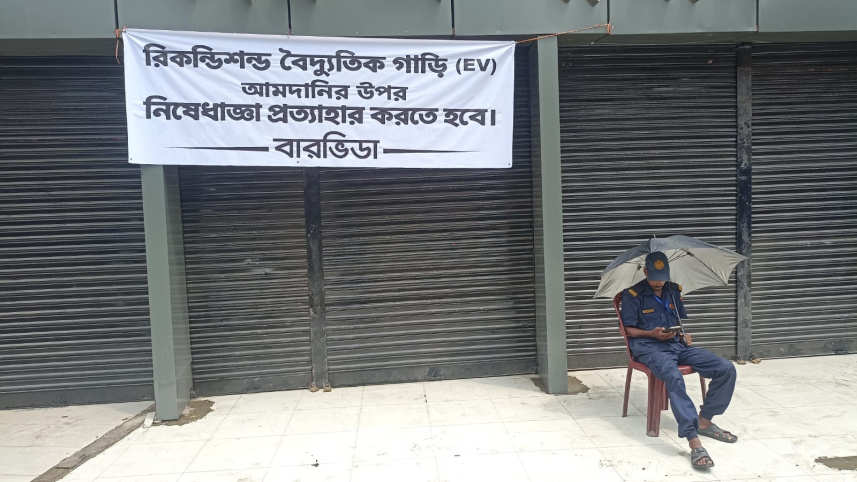
Members of the Bangladesh Reconditioned Vehicles Importers and Dealers Association (BARVIDA) observed a nationwide protest today against the government's decision to ban imports of reconditioned and used electric vehicles (EVs).
Around 1,300 member businesses of the association in Dhaka, Gazipur, Narayanganj, Sylhet, Chattogram, Cumilla, Khulna, Mymensingh, Rajshahi, Rangpur and Dinajpur remained closed as part of the protest, according to a BARVIDA press release.

The protest also included a suspension of vehicle registration activities at the Bangladesh Road Transport Authority (BRTA) involving vehicles sold by BARVIDA members.
Importers also halted customs-related activities, including revenue payment, e-payment and the release of imported vehicles from ports, the association said.
The move followed the government's announcement on August 24 of the Import Policy Order 2026-2029, under which imports of used and reconditioned electric vehicles have been prohibited, the press release read.
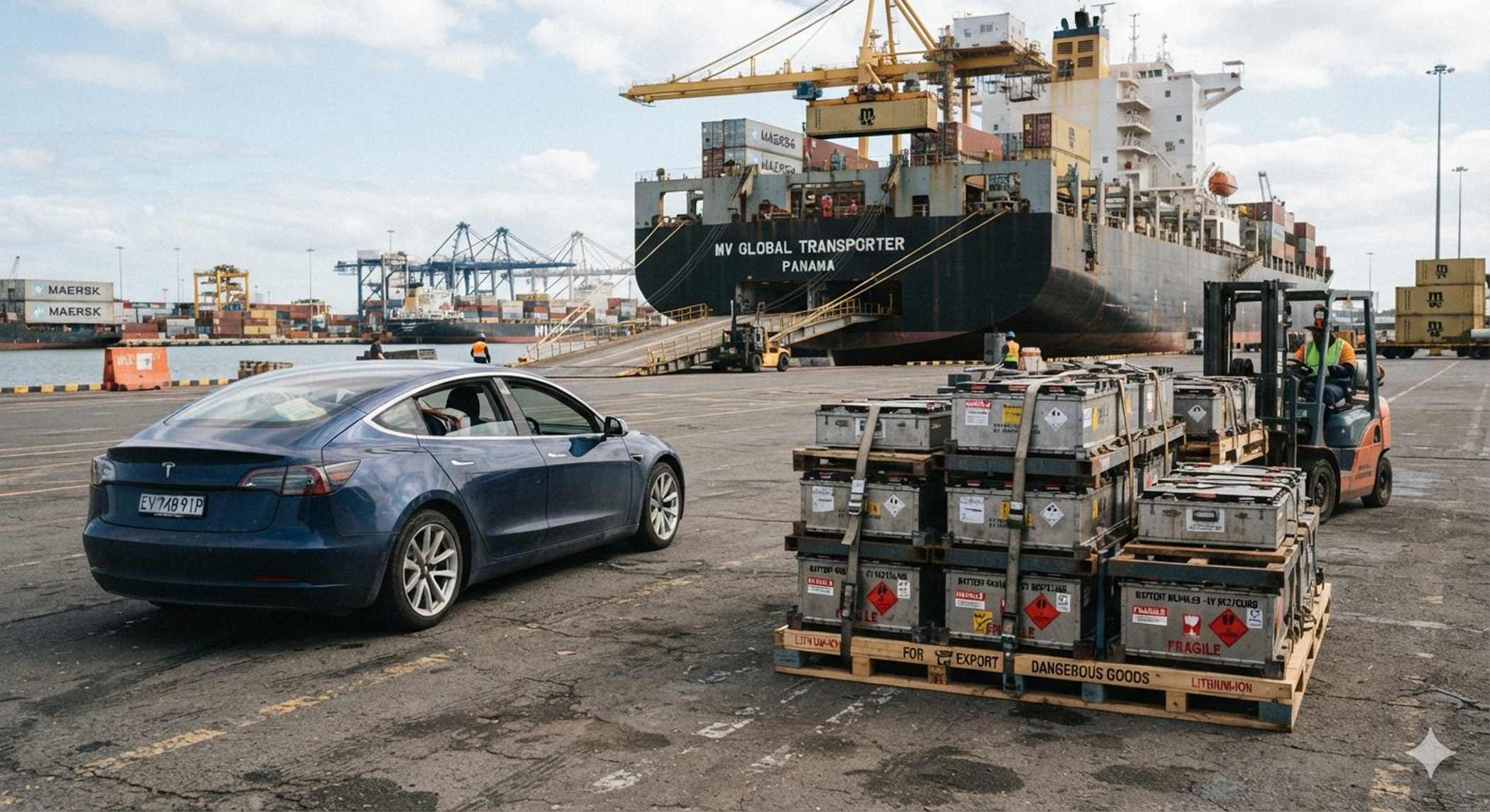
BARVIDA President Abdul Haque said the ban would limit access to EV technology for consumers and make newer EVs less affordable for middle- and lower-middle-income households.
He said reconditioned EVs could provide a relatively affordable option for consumers while also contributing to value addition in the economy.
According to Haque, expanding the EV market could help increase the share of electric vehicles in the country's motor vehicle sector to 30 percent by 2030 and contribute to the government's revenue collection target.
BARVIDA Secretary General Riaz Rahman said the association was not seeking unrestricted imports of EVs.
“We are not against the import of unsafe or low-quality EVs. We want opportunities to import safe, tested and standard-compliant EVs.”
He said Bangladesh's EV policy should be based on safety, quality control, market competition, consumer protection, environmental considerations and revenue generation.
Rahman cited New Zealand's system for importing used vehicles from Japan, where inspection and compliance requirements are used to regulate imports.
He said Bangladesh could adopt a similar transparent and technology-neutral framework.
“The issue is not whether a vehicle is new or reconditioned. What matters is whether the vehicle is safe, has a reliable battery and meets the prescribed standards,” he said.
BARVIDA leaders urged the government to withdraw the ban, saying they would otherwise continue with tougher programmes to protect the business and investment interests of reconditioned vehicle traders as well as consumers.
 For all latest news, follow The Daily Star's Google News channel.
Comments