


A camera, a country, a legacy
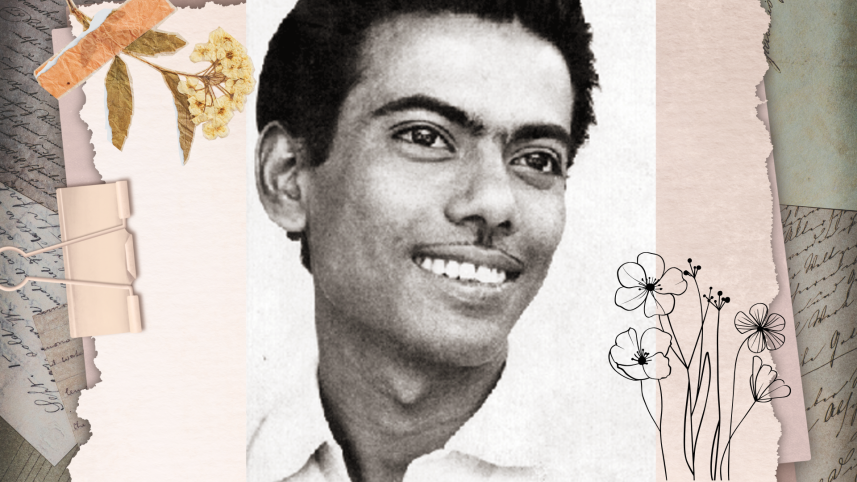
It is tempting to measure Zahir Raihan’s legacy by what he achieved before his disappearance at the age of only 36. The more revealing measure may be what his work has continued to do since. His films and writings repeatedly return to questions of power, identity, nationalism and human dignity—questions that have outlived the circumstances in which he first confronted them. On his 91st birth anniversary, Raihan’s unfinished body of work remains remarkably open to the present.
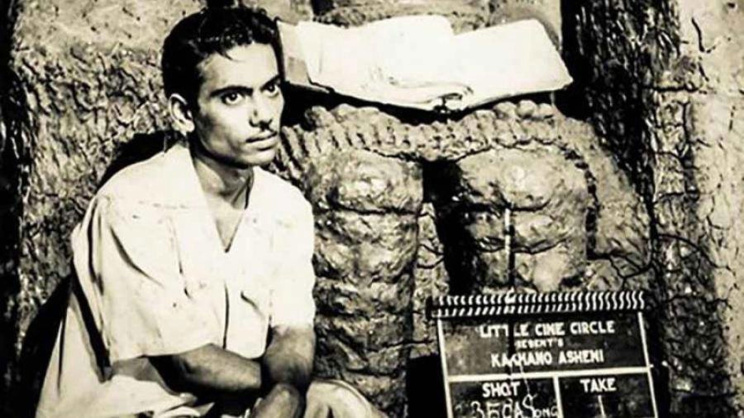
Born Mohammad Zahirullah in Majupur, Feni, on August 19, 1935, Raihan came to literature before cinema. His first collection of short stories, "Suryagrahan", appeared in 1955. Works such as "Shesh Bikeler Meye", "Hajar Bachhor Dhore", "Arek Falgun", "Borof Gola Nodi" and "Ar Koto Din" established a writer attentive to ordinary lives and the social forces shaping them.

The political was never far from that attention. Raihan participated in the Language Movement of 1952 and was arrested after defying the authorities’ restrictions on processions. The experience found a literary afterlife in "Arek Falgun", which placed the movement within the lives and emotions of those who lived through it.
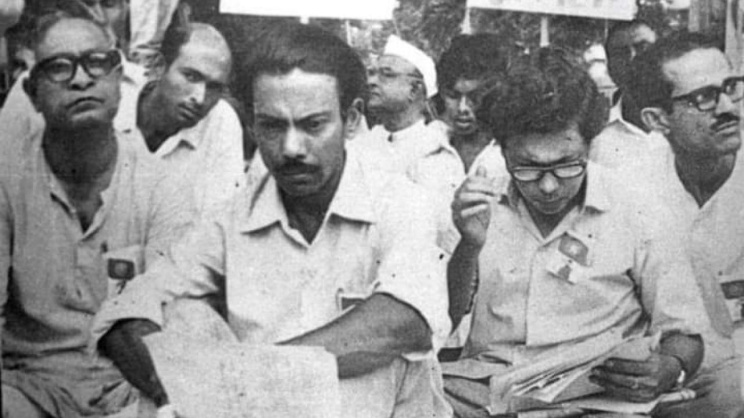
Cinema gave Raihan another way of asking similar questions.
After working as an assistant director, he made his directorial debut with "Kokhono Asheni", released in 1961. His subsequent films included "Sonar Kajol", co-directed with Kalim Sharafi, "Kancher Deyal", "Behula", "Anwara", "Dui Bhai" and "Jibon Theke Neya". His technical ambitions were equally notable: "Sangam" (1964) was the first colour film made in Pakistan, while "Bahana" (1965) was the first CinemaScope film made there.
What distinguishes Raihan is the way he used popular cinematic forms to carry political meaning without reducing his films to political declarations. "Jibon Theke Neya", released in 1970, remains his clearest example. On the surface, it is a family drama centred on an authoritarian woman. Beneath that domestic conflict lies an unmistakable political allegory: the tyranny inside the household echoes the authoritarianism of the state outside it.
The film’s strength lies partly in that double register. It allowed Raihan to speak about political repression through the familiar language of family, while the country's growing unrest steadily breaks through the domestic frame. The result is neither a straightforward political film nor merely a family melodrama.
That ability to locate the political within everyday life also runs through Raihan’s literary work.
The Liberation War changed the scale and urgency of his filmmaking. After going to Kolkata, Raihan made "Stop Genocide", a documentary that confronted the atrocities of the Pakistani military and the humanitarian catastrophe created by the war. Rather than relying on rhetoric alone, the film assembled testimony, images of destruction and the suffering of refugees into a direct indictment of the violence.
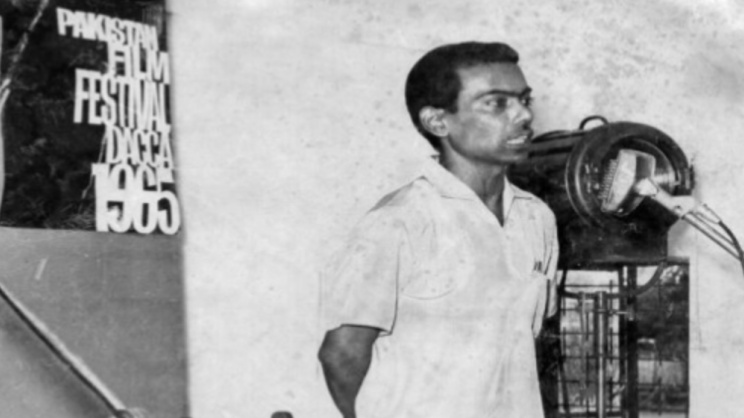
Raihan had been working on the English-language film "Let There Be Light" before the war disrupted the project. It was among several unfinished possibilities in a career that would soon be cut short.
His elder brother, writer and journalist Shahidullah Kaiser, was abducted in December 1971. On January 30, 1972, Raihan went to Mirpur after receiving information that might help locate him. He disappeared that day and was never seen again.
The circumstances of his disappearance have become part of the mythology surrounding Raihan. But there is another, less discussed dimension to that loss: the interruption of a career that had already begun moving beyond conventional boundaries.
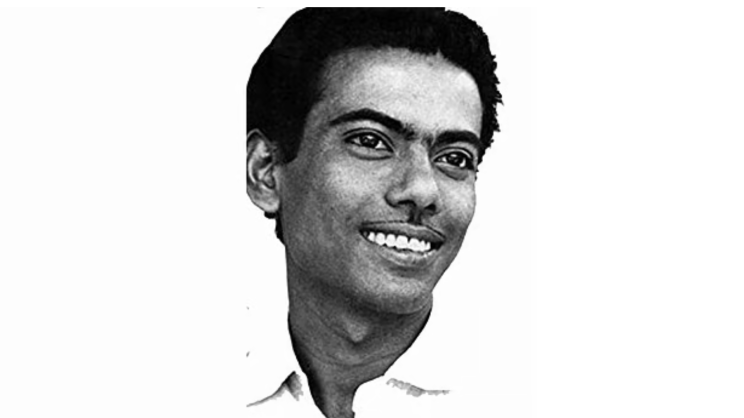
Raihan did not keep literature and cinema in separate compartments. His fiction examined the individual within society; his films translated social tensions into popular narratives; and "Stop Genocide" placed the violence of history directly before the camera.
That continuum is perhaps why his work remains open to reinterpretation. "Jibon Theke Neya" can still be read as political cinema, but also as a study of authority within the family. "Stop Genocide" remains a historical document, but its questions about violence, displacement and the politics of representation have not become historical in quite the same way.
Raihan received the Bangla Academy Award posthumously in 1972, followed by the Ekushey Padak in 1977 and the Independence Award in 1992. His contribution to cinema was also recognised with the National Film Award.
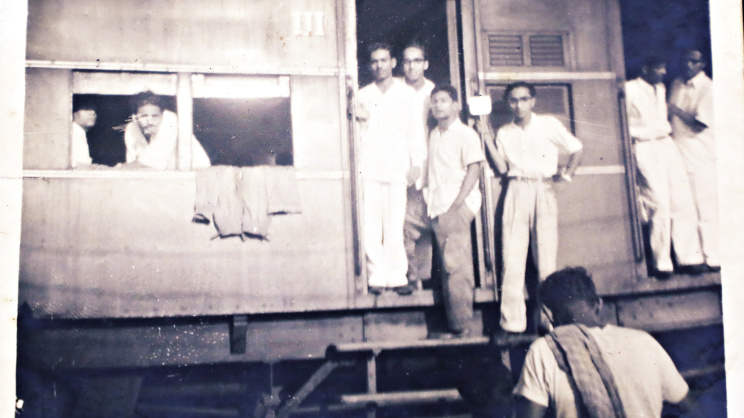
Awards, however, offer only one way of measuring a legacy. Raihan’s more enduring achievement may be the unusual proximity he created between art and the life around it. His films and books did not merely document a country in transition; they tried to understand what that transition was doing to the people living through it.
That is why, 91 years after his birth and more than five decades after his disappearance, Raihan’s work does not feel concluded. It continues to ask questions for which the country has yet to find final answers.
 For all latest news, follow The Daily Star's Google News channel.
Comments