


Kargil: The story Indian cinema keeps telling

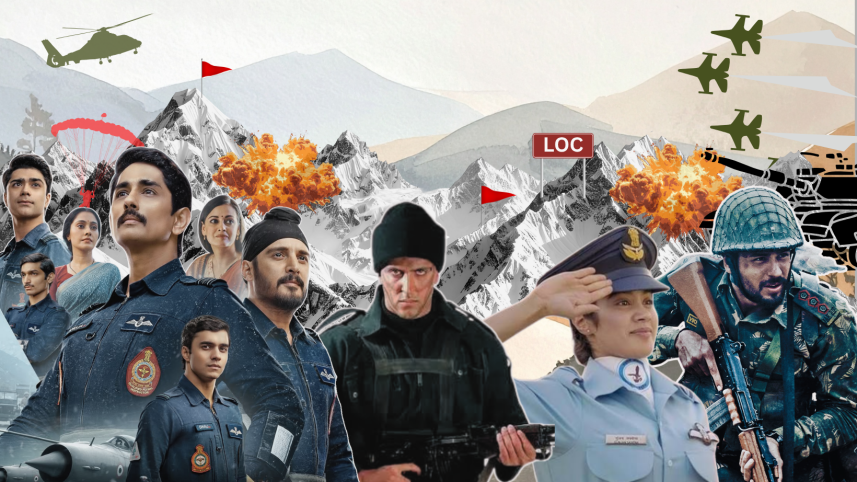
In the summer of 1999, Indian and Pakistani forces fought for more than two months in the icy mountains of Kargil in Ladakh. Pakistani soldiers and militants had crossed the Line of Control and taken control of key peaks overlooking the Srinagar-Leh highway. India launched Operation Vijay to recapture the positions. The Indian Air Force also joined the fight through Operation Safed Sagar, carrying out strikes from extreme altitudes that tested both pilots and aircraft.
The war ended in July 1999, after Indian forces recaptured the occupied positions. But the victory came at a heavy cost. More than 500 Indian soldiers and airmen were killed.
The Kargil War was also fought in front of television cameras. It was the first major Indian conflict to receive such extensive television coverage. The images from the battlefield shaped how people across the country remembered the war. They also influenced how Indian filmmakers later chose to tell its story.
Over the years, filmmakers have returned to Kargil again and again. Each film has focused on a different soldier, pilot or part of the conflict. As a result, Kargil has slowly become more than one story. It has become a war that can be seen from many different perspectives.
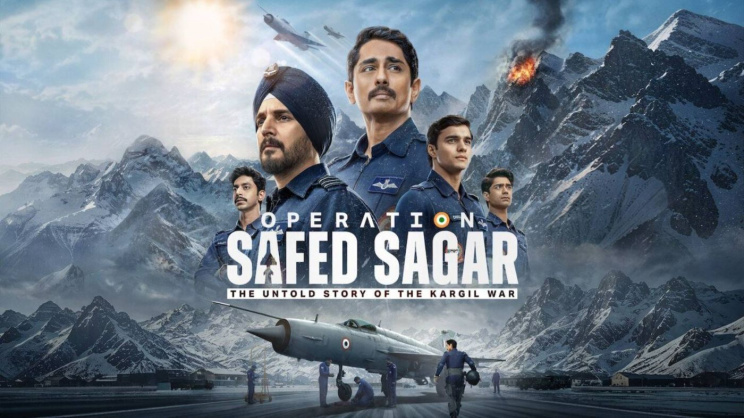
The latest addition to this list is “Operation Safed Sagar”, a six-episode Netflix series that premiered in August 2026. The series follows the Golden Arrows squadron of the Indian Air Force as its pilots take on dangerous missions during the war. Most films about Kargil have focused on soldiers fighting on the ground. “Operation Safed Sagar” looks towards the skies. It shows how pilots used ageing aircraft, including the MiG-21, in a war that required highly accurate bombing from extreme heights.
The series has also found an audience outside India. It stayed on Netflix’s global Top 10 list for non-English shows for several weeks. Its success has also led to a companion documentary, “The Last Salute”, about the MiG-21 and its six decades of service with the Indian Air Force.

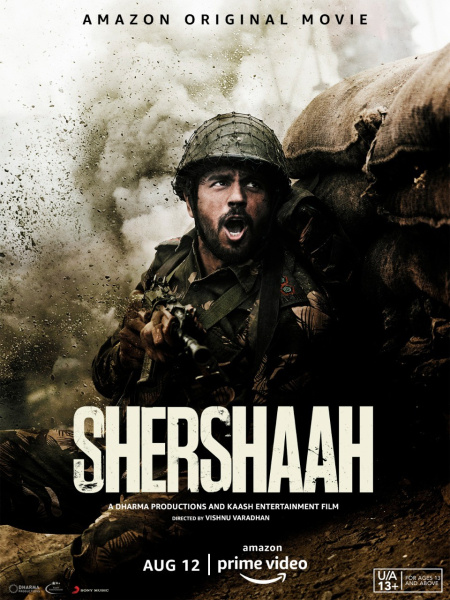
The series now joins a long line of films that have shaped the way Indians see the Kargil War. “Shershaah”, released in 2021, tells the story of Captain Vikram Batra. He led his men in the battle to recapture Point 4875, which was later renamed Batra Top in his honour. Batra was killed in the battle and was posthumously awarded the Param Vir Chakra, India’s highest military honour. The film also spends considerable time on Batra’s love story. His relationship became an important part of the story, even as he prepared to go to war. The combination of romance and battlefield action helped the film reach audiences beyond traditional war-film fans.
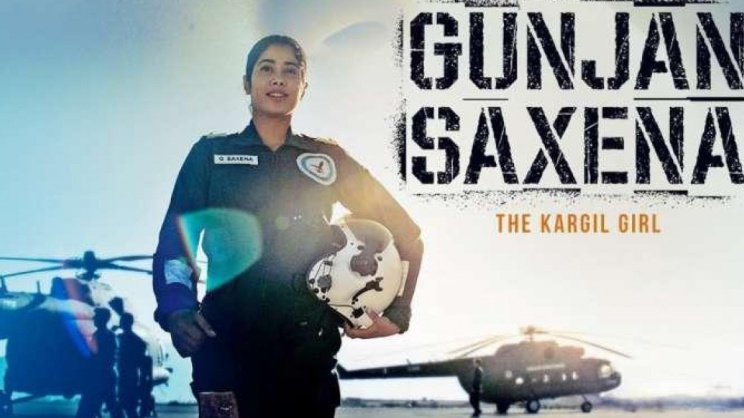
“Gunjan Saxena: The Kargil Girl”, released in 2020, tells a very different story. It follows Gunjan Saxena, one of the first women pilots to fly combat missions for the Indian Air Force. The Kargil War is part of a larger story about the challenges she faced inside the force because she was a woman. The film shows Saxena fighting two battles at the same time. One was against the doubts and resistance of her colleagues. The other was in the skies over Kargil.
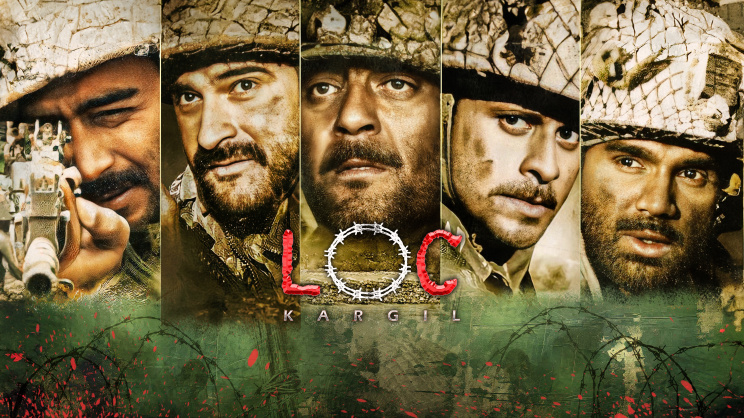
Films made before these also helped establish this tradition. “LOC: Kargil”, released in 2003, was one of the first major films to portray the war. It brought together a large cast and followed soldiers through several important battles. At more than four hours long, the film tried to capture the scale of the entire conflict.
“Lakshya”, released in 2004, took a more personal approach. The war serves as the backdrop to the story of a directionless young man who joins the army and gradually finds a sense of purpose. Here, Kargil is not simply about military strategy. It is also about one young man discovering what he wants from his life.
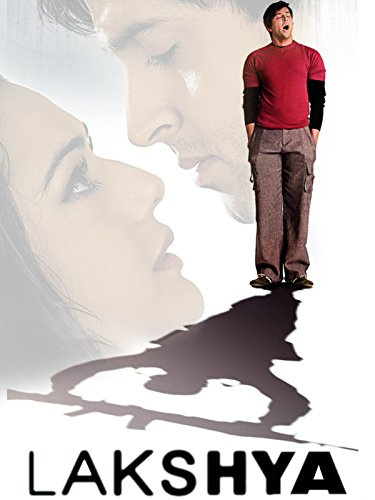
What connects “Operation Safed Sagar” with “Shershaah”, “Gunjan Saxena” and the films that came before them is their focus on individuals. They do not tell the Kargil War only as a story of military victory. Instead, they focus on a pilot, a captain, a squadron or a young soldier. Through these personal stories, the films bring a much larger war closer to the audience.
More than two decades after the Kargil War, Indian filmmakers are still finding new stories within it. Each film offers a different person and a different view of the same conflict. Kargil, it seems, is a war that Indian cinema has not finished telling.
 For all latest news, follow The Daily Star's Google News channel.
Comments