


Why we keep falling for fictional boyfriends

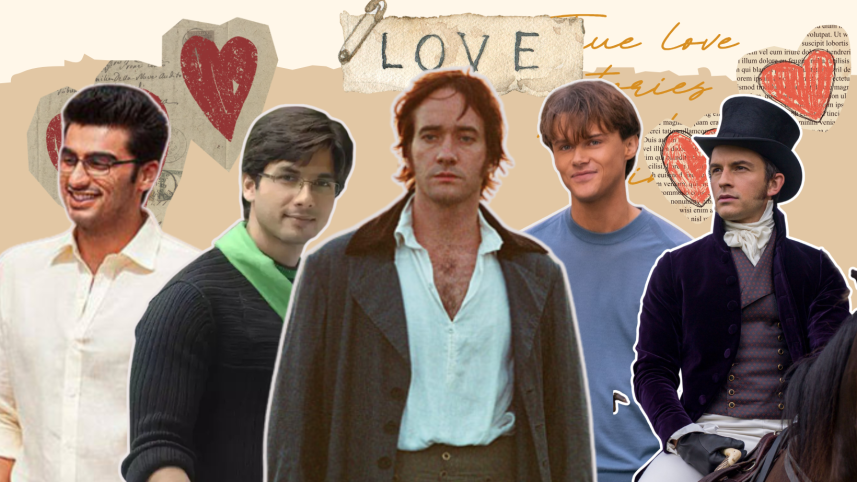
Some of the internet's most passionate relationship debates have one thing in common: one half of the couple doesn't exist. Every few months, social media collectively crowns a new fictional boyfriend. Timelines fill with edits, fan compilations and declarations that "the bar has been raised". One week, it is Anthony Bridgerton's smouldering gaze. The next, Peter Kavinsky's quiet thoughtfulness. Then someone inevitably resurrects Mr Darcy, Jim Halpert or Aditya Kashyap to remind everyone that the blueprint existed long before TikTok edits. Entire comment sections become battlegrounds over whether Conrad Fisher is misunderstood or simply emotionally unavailable, while countless viewers continue to insist that Rishi Singh Shekhawat is still one of Bollywood's biggest green flags.
It is a joke that has become almost universal online. Social media is filled with rankings of the best fictional boyfriends, edits celebrating their most romantic moments and debates over who deserves the coveted title of the internet's ultimate green flag. Entire fandoms have formed around men who, despite never existing, have become relationship benchmarks for millions of viewers. The question is, why? After all, these characters are not real. They cannot text back, forget anniversaries or leave flowers at your doorstep. Yet they continue to shape conversations around romance, influence dating expectations and inspire comparisons that real partners would often find themselves losing. Their appeal has little to do with impossibly handsome actors or extravagant declarations of love. Instead, it lies in something far more interesting: they embody the qualities audiences increasingly wish they encountered in real relationships. That is perhaps the greatest advantage fictional characters have over real people: we are allowed to know them completely.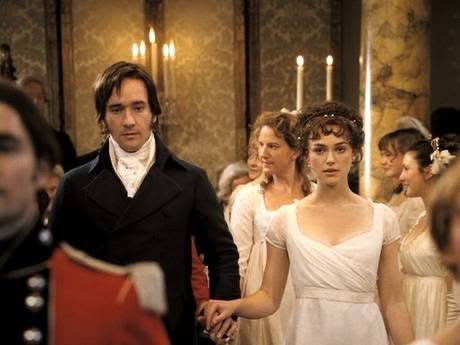
In real life, relationships are built on uncertainty. We second-guess texts, misread intentions and spend months wondering what someone is thinking. Fiction removes that ambiguity. We are privy to every hesitation, every sacrifice and every internal conflict. We know why Anthony Bridgerton struggles to admit his feelings. We understand the weight Conrad Fisher carries long before Belly does. We watch Mr Darcy wrestle with his pride before Elizabeth Bennet ever reads his letter. As viewers, we are always one step ahead. We fall not only for what these men do, but also for the reasons behind it.
Then there are the gestures themselves. Cinema and television have always understood that romance lives in the details. The most memorable fictional boyfriends rarely win audiences over with lavish gifts or grand speeches alone. They notice things. Peter Kavinsky, for instance, does not become beloved simply because he is charming. One of his most enduring moments comes when he drives through a snowstorm to reach Lara Jean because he knows she is terrified of driving in the snow. It is an act of attentiveness more than heroism. Jim Halpert spends years quietly learning everything about Pam, from her favourite yoghurt to the little habits that make her laugh. Mr Darcy travels across social expectations and personal pride to protect Elizabeth's family without asking for recognition. Aditya Kashyap, despite loving Geet, helps her reunite with the man she believes she wants because her happiness matters more than his own feelings.
These are not necessarily dramatic gestures. They are deeply personal ones.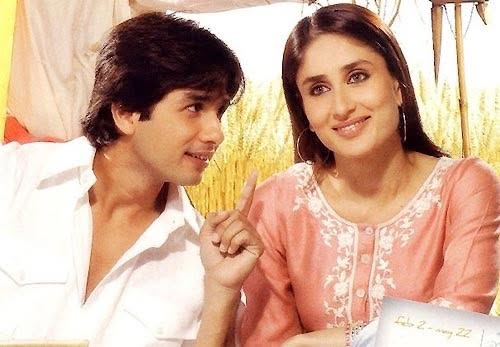
Perhaps that is why they resonate. In an age where dating conversations are increasingly dominated by ghosting, breadcrumbing and situationships, consistency has become unexpectedly romantic. A man who listens carefully, remembers passing remarks and follows through on his promises suddenly feels extraordinary. Bollywood, too, has reshaped its definition of the ideal romantic hero. Earlier eras celebrated larger-than-life lovers who could sing beneath balconies or fight entire armies for love. Today's audience is just as likely to swoon over emotional intelligence. Krish Malhotra in "Two States" does not ask Ananya to choose between him and her family. Instead, he patiently works to bring two stubborn families together, believing that love should unite rather than divide. Rishi Singh Shekhawat in "Mismatched" wears his heart on his sleeve, embracing sincerity in a world that often mistakes vulnerability for weakness. Even Rocky Randhawa from "Rocky Aur Rani Kii Prem Kahaani”, introduced as flamboyant and over-the-top, wins audiences over because he is willing to unlearn patriarchal ideas, apologise sincerely and support the woman he loves without feeling threatened by her ambitions.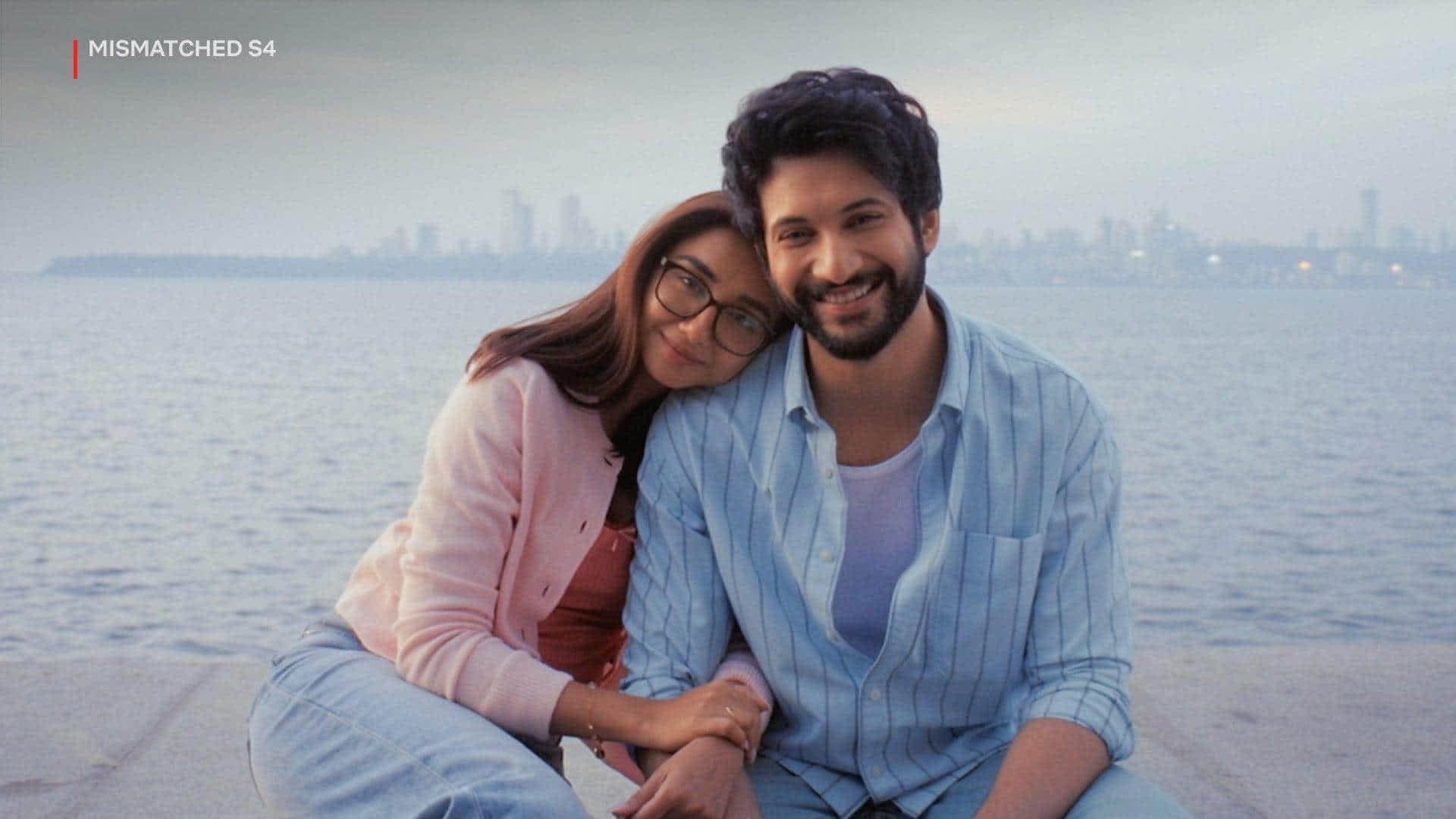
However, none of these men are flawless. Anthony can be frustratingly stubborn. Conrad often retreats into silence. Jim spends years avoiding difficult conversations. Peter occasionally lets jealousy cloud his judgement. Krish loses his temper. Rocky is impulsive. Mr Darcy begins his story as an arrogant man. Yet audiences forgive these flaws because they witness the effort behind the change. Fiction allows growth to feel visible. Every apology is shown. Every lesson is earned. Every act of care becomes part of a larger emotional journey. That emotional journey is something real life rarely offers so neatly. A two-hour film or an eight-episode series condenses months, sometimes years, of emotional development into a story where every interaction serves a purpose. Screenwriters deliberately remove the mundane parts of relationships. We rarely watch fictional couples spend hours scrolling on their phones in silence or forget to reply because work got busy. Instead, we are presented with carefully curated moments that reveal character, deepen intimacy and move the relationship forward.
One might argue that fictional boyfriends benefit from excellent writing. They always know the right thing to say because someone spent months crafting the dialogue. Their romantic gestures are accompanied by sweeping orchestral scores, golden-hour cinematography and lingering close-ups designed to maximise emotional impact. If real life had a soundtrack every time someone remembered your coffee order, perhaps ordinary romance would feel just as cinematic. Yet, reducing their appeal to clever scripts would be unfair. What these characters truly offer is emotional reassurance. They make audiences feel seen. They validate insecurities instead of exploiting them. They choose communication over manipulation, partnership over ego and kindness over performance. Whether it is Peter reassuring Lara Jean, or Jim making Pam feel like the most important person in the room, these moments satisfy an emotional need that extends far beyond romance.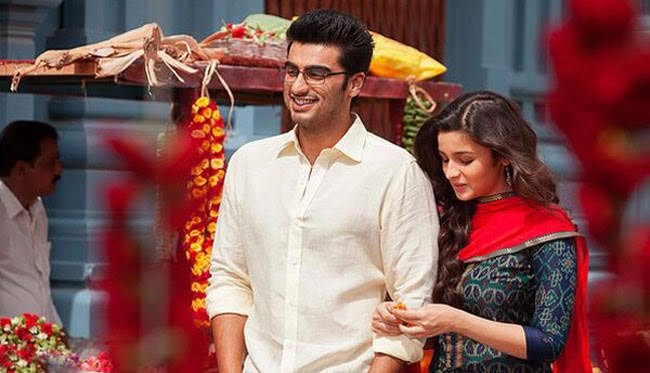
Perhaps that is why people continue comparing real partners to fictional ones, despite knowing the comparison is inherently unfair. They are not expecting real people to possess perfect dialogue or cinematic timing. They are searching for the qualities those stories celebrate: attentiveness, reliability, emotional maturity and the willingness to choose someone, every single day. Fictional boyfriends are not relationship goals because they are perfect. They are relationship goals because they remind us that love has always been less about extravagant gestures and more about making another person feel understood. And maybe that explains why every time a new romantic lead appears on screen, the internet inevitably asks the same question: is this the new standard? The answer is usually no. Because the standard was never Peter Kavinsky, Anthony Bridgerton, Mr Darcy or Rishi Singh Shekawat. The standard has always been the feeling they leave behind.

 For all latest news, follow The Daily Star's Google News channel.
Comments