


The unfulfilled potential of ‘Rockstar’: A rock musician’s perspective

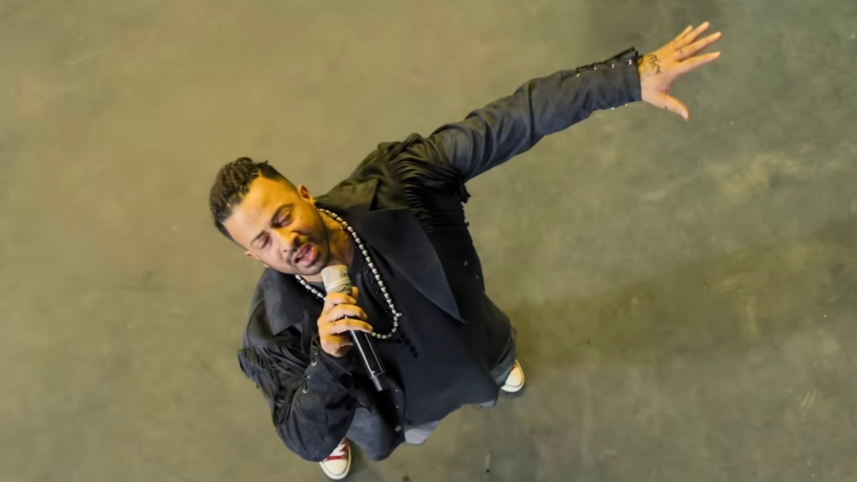
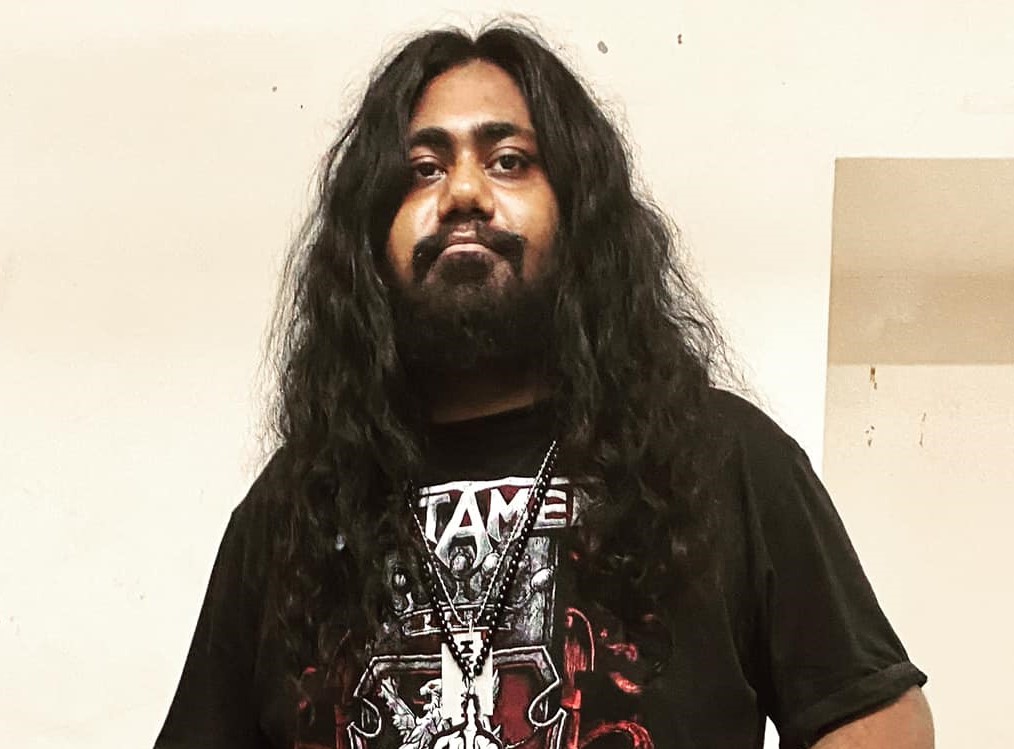
A lot of media attention is currently fixated on my recent comments regarding the Eid release “Rockstar”, specifically where I noted that the film could have been "a lot better." Some outlets have laser-focused on my anecdote about Shakib Khan—undoubtedly a superstar of our industry—visiting my home to pay respects to my late father (mega-star Jashim), and taking a photo with my brothers and me. While that was a gracious gesture, I want to move past the tabloid headlines and look at why this film left me reflecting on what could have been.
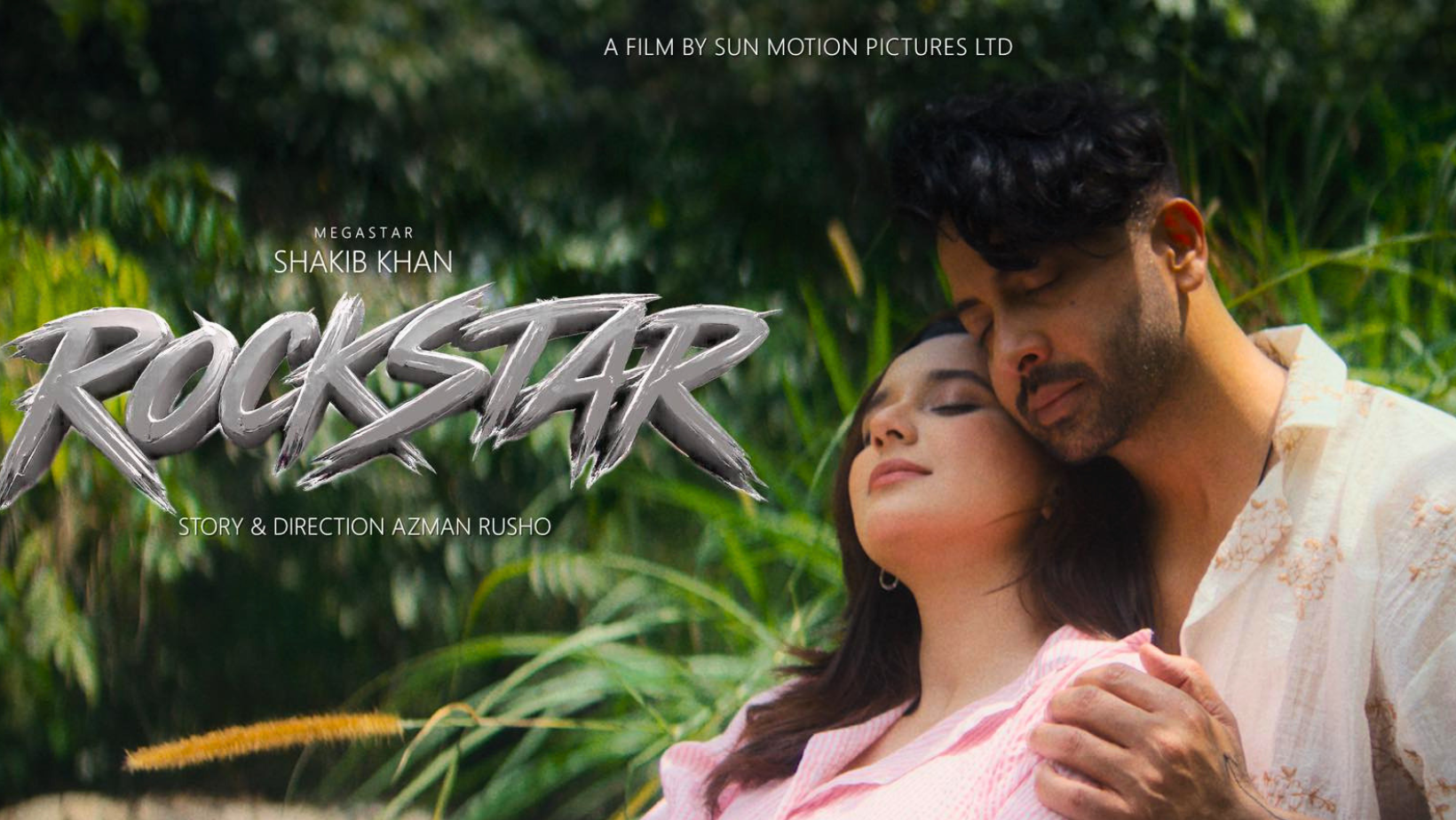
Ever since groundbreaking films like “Toofan” and “Borbaad”, my expectations for new Shakib Khan releases have naturally heightened. Intrigued by the hype, I didn't hesitate to buy tickets for this Azman Rusho directorial to see it for myself.
Before diving into the critiques, the film deserves applause where it is due. The cinematography is truly breathtaking, framing the visuals with immense polish. Performance-wise, there isn't much to critique Shakib Khan on; he holds the screen well, and Sabila Nur delivers a solid performance as the female lead.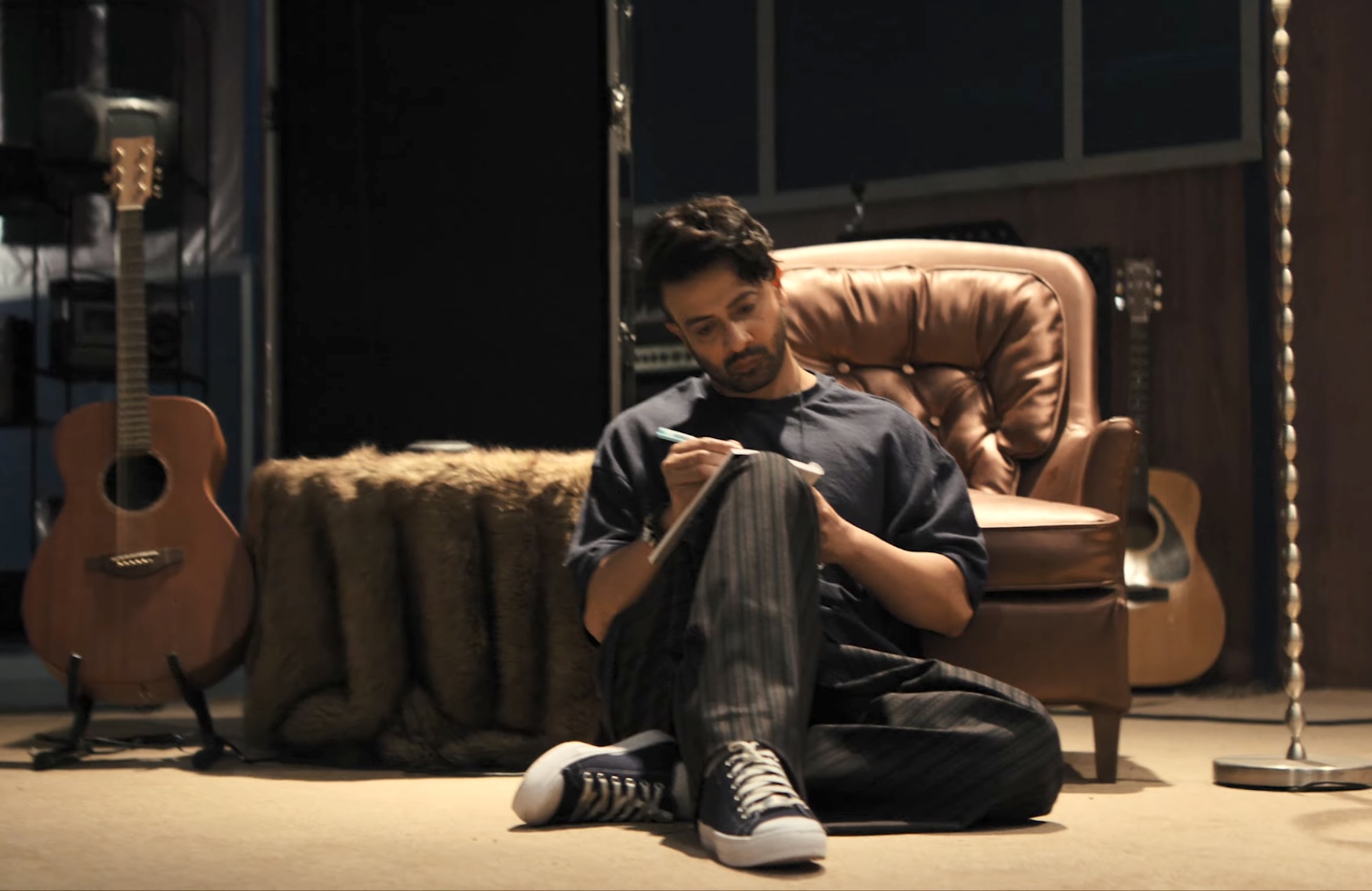
However, as a musician, the first red flag raised itself the moment I stepped out of the theatre: not a single song from the soundtrack stuck with me. It isn't that the tracks were poorly made—in fact, some were objectively great—but they failed to leave a lasting impression. The rock songs that were made for this film did not sound ‘big’ for the theatre, rather, the romantic songs in the films managed to do so. This was especially surprising given that the musicians attached to the project are top-notch professionals with stellar track records.
The root of the problem lies in the film's setting and historical disconnect.
Portraying Shakib Khan as "Agun"—a rich kid with attachment issues—felt like a missed opportunity. If you are going to make a definitive Bangladeshi rock film, why not tap into the golden eras of the '80s and '90s? This was the legendary period when icons like Ayub Bachchu and James hit their stride and thrived. Rooting the narrative in that era would have been the perfect vehicle to showcase the rich history of our local rock music.
In the story, Agun and his band suddenly get a life-changing opportunity to open for Warfaze—yet Warfaze never actually appears on screen. Having a monumental name dropped without the payoff feels like a tease. The presence of actual scene veterans would have given the film massive gravity. Even I was called to audition for the film, but that is the story for another day!
Yet, these are minor nitpicks compared to the core issue plaguing “Rockstar”: a fundamental misunderstanding of the local musician's journey.

When portraying the struggle of a rock artiste in Bangladesh, you have to view it through a Bangladeshi lens, not the romanticised western mythos of Led Zeppelin or Slayer. Our musicians didn't just fight inner demons; they fought the reality of the local industry. They survived the infamous "push-sell" era. They are the ones who get up on stage, tuned and ready, only to be told by organisers, "You can only play one song, the headliners need to go up now." These are localised, unique struggles, and our scene has countless stories like them. By ignoring these realities, the film misses its emotional anchor.
Ultimately, none of this is to say that “Rockstar” is a bad film. If you walk into the theatre looking for pure, uncomplicated entertainment, it delivers exactly that. But given the immense groundwork already laid by generations of Bangladeshi musicians and the film’s director himself, it had the potential to be a definitive cultural moment. It settled for just being an entertaining movie.
A K Rahul is a musician and media personality based in Dhaka.
 For all latest news, follow The Daily Star's Google News channel.
Comments