


‘Rabir Chitra – Chitrer Rabi’ celebrates Tagore’s artistic legacy
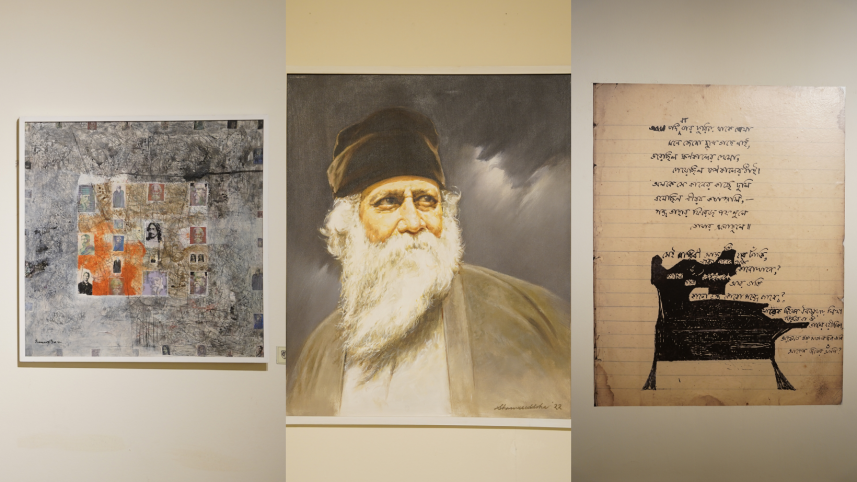
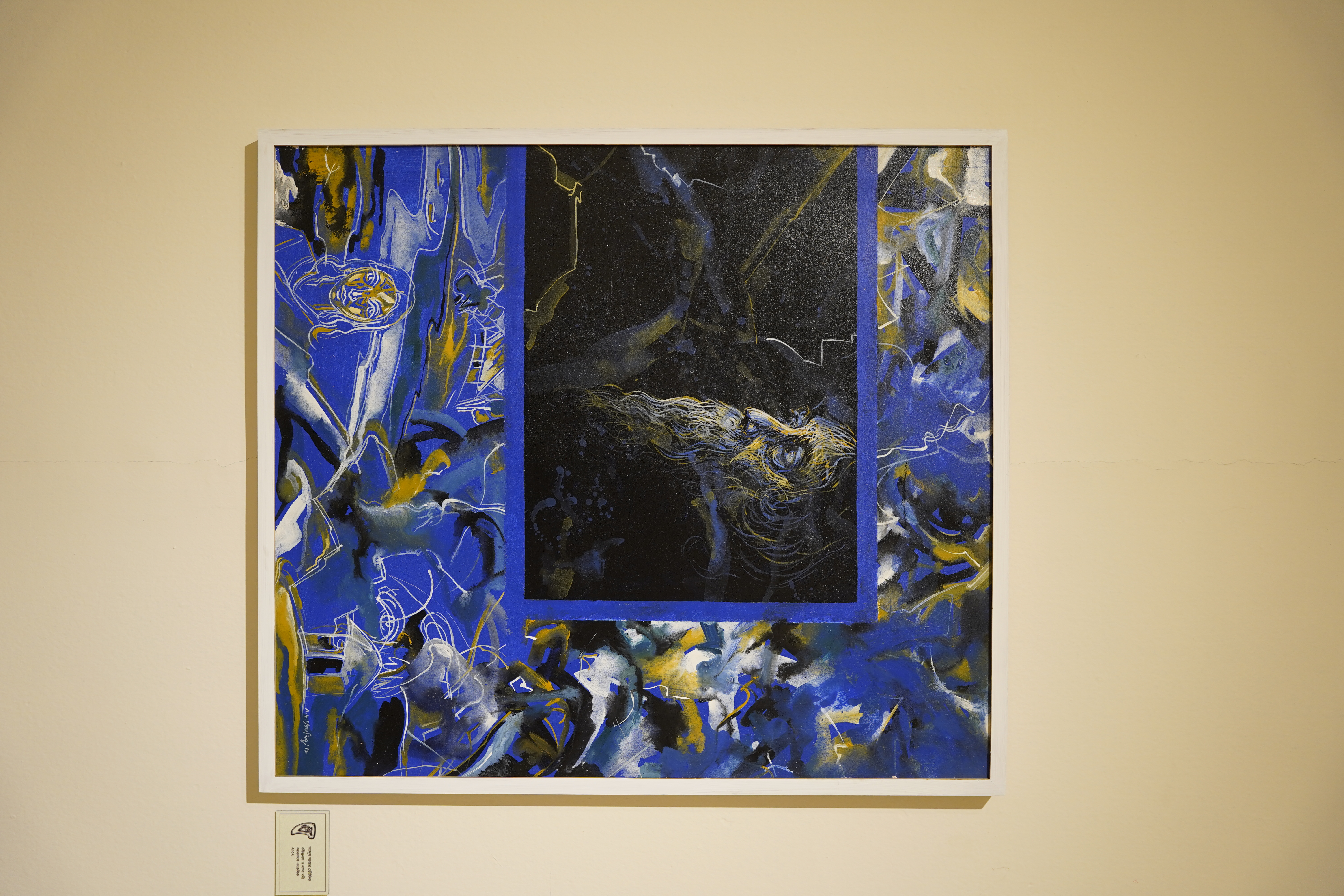
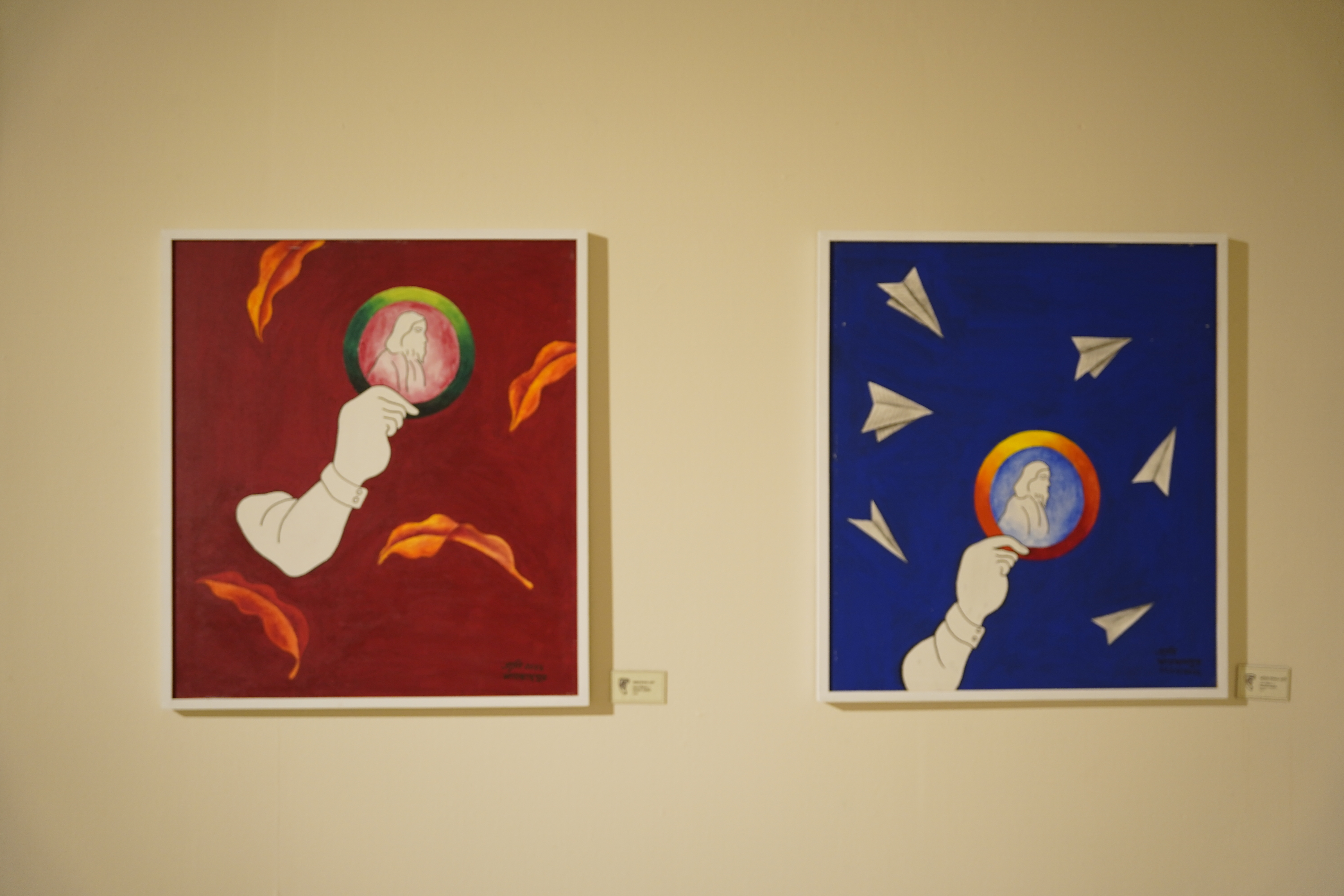
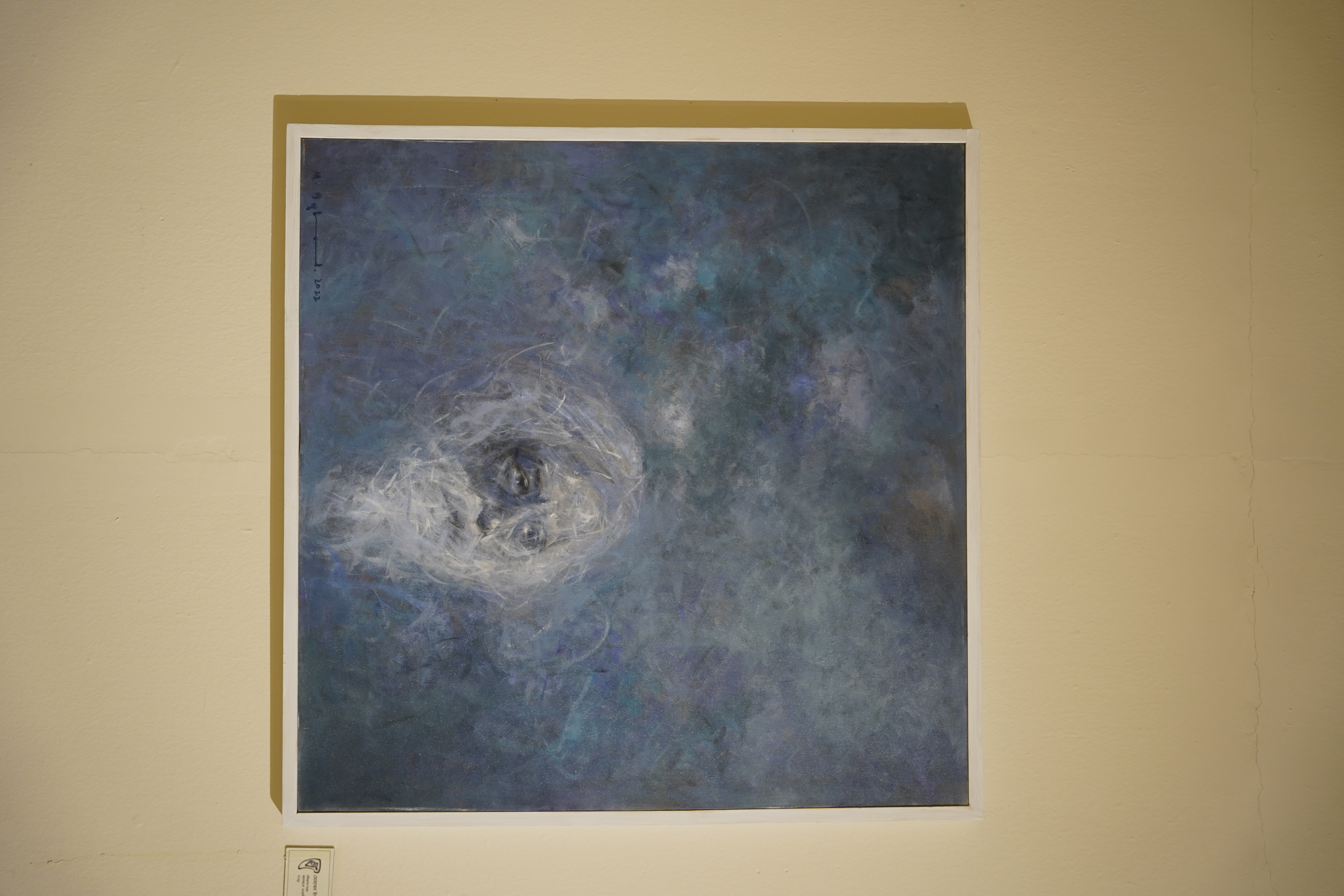
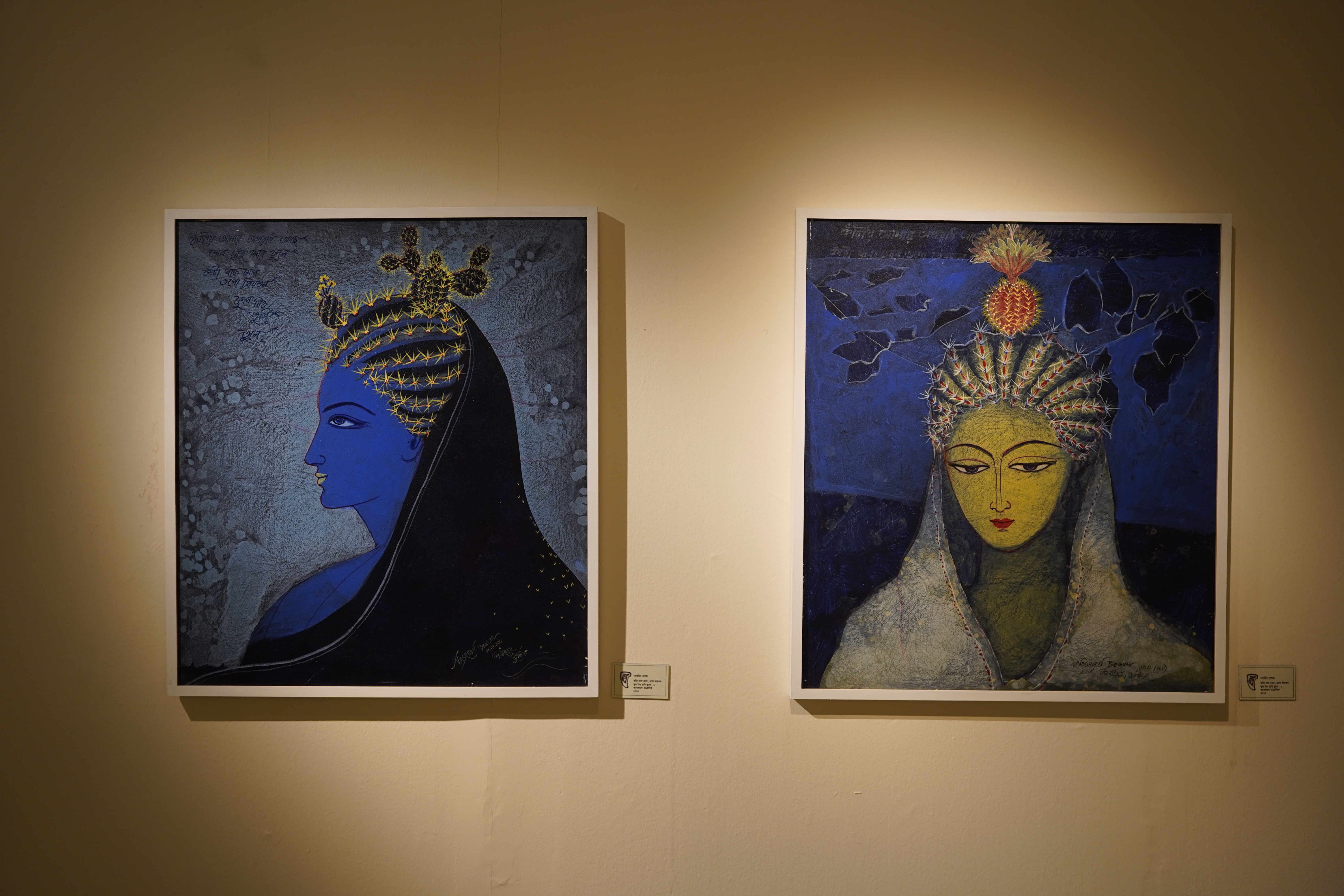
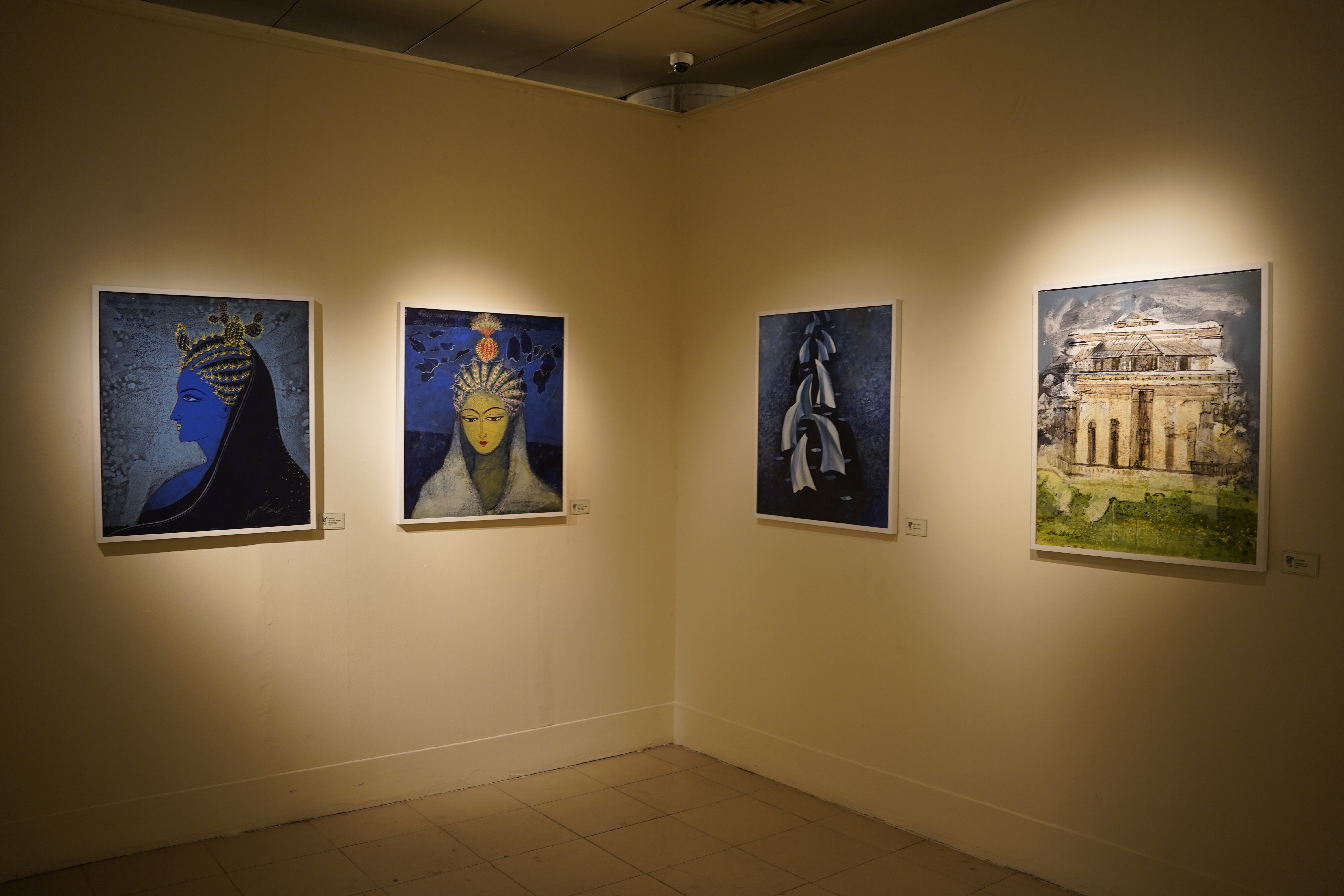
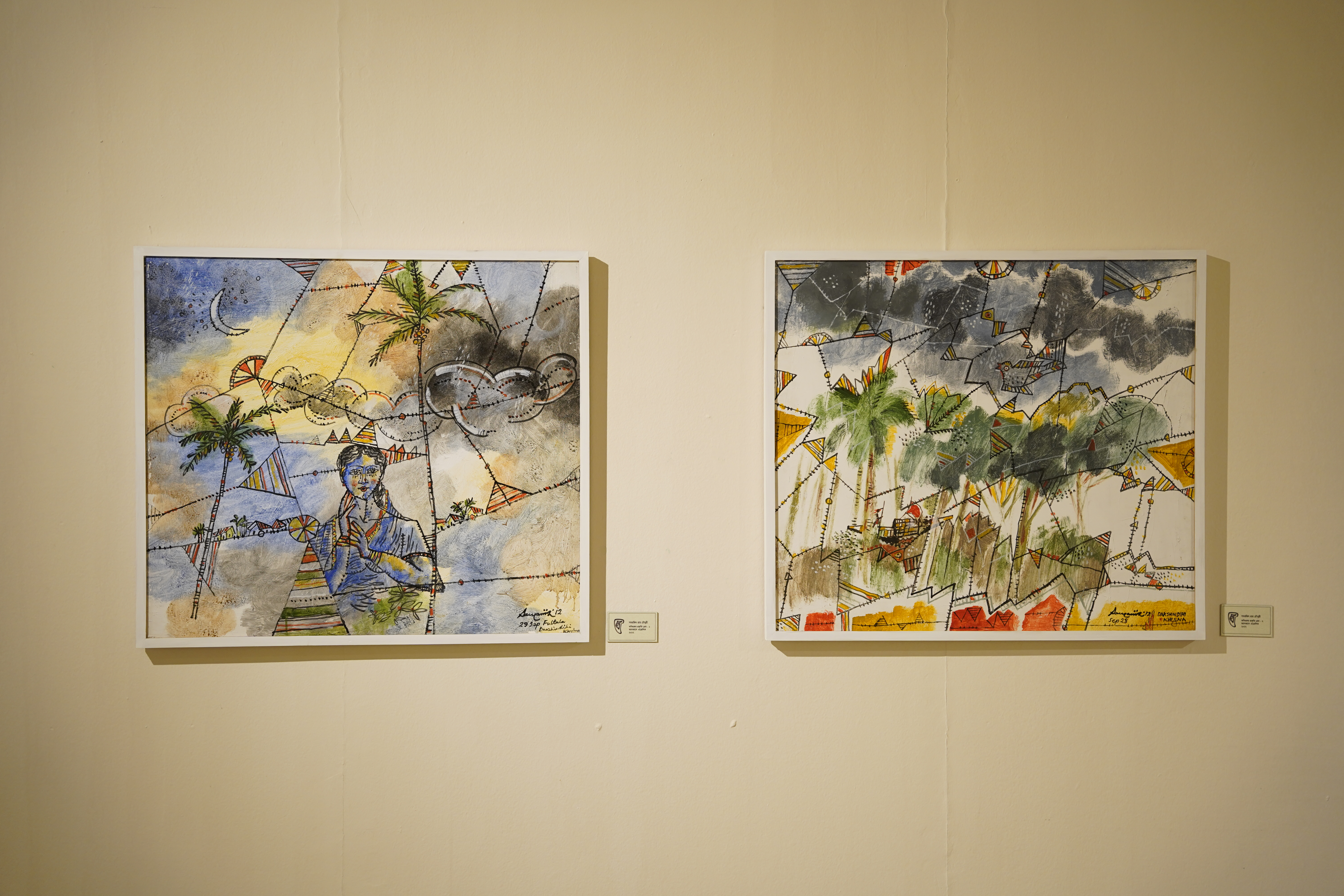
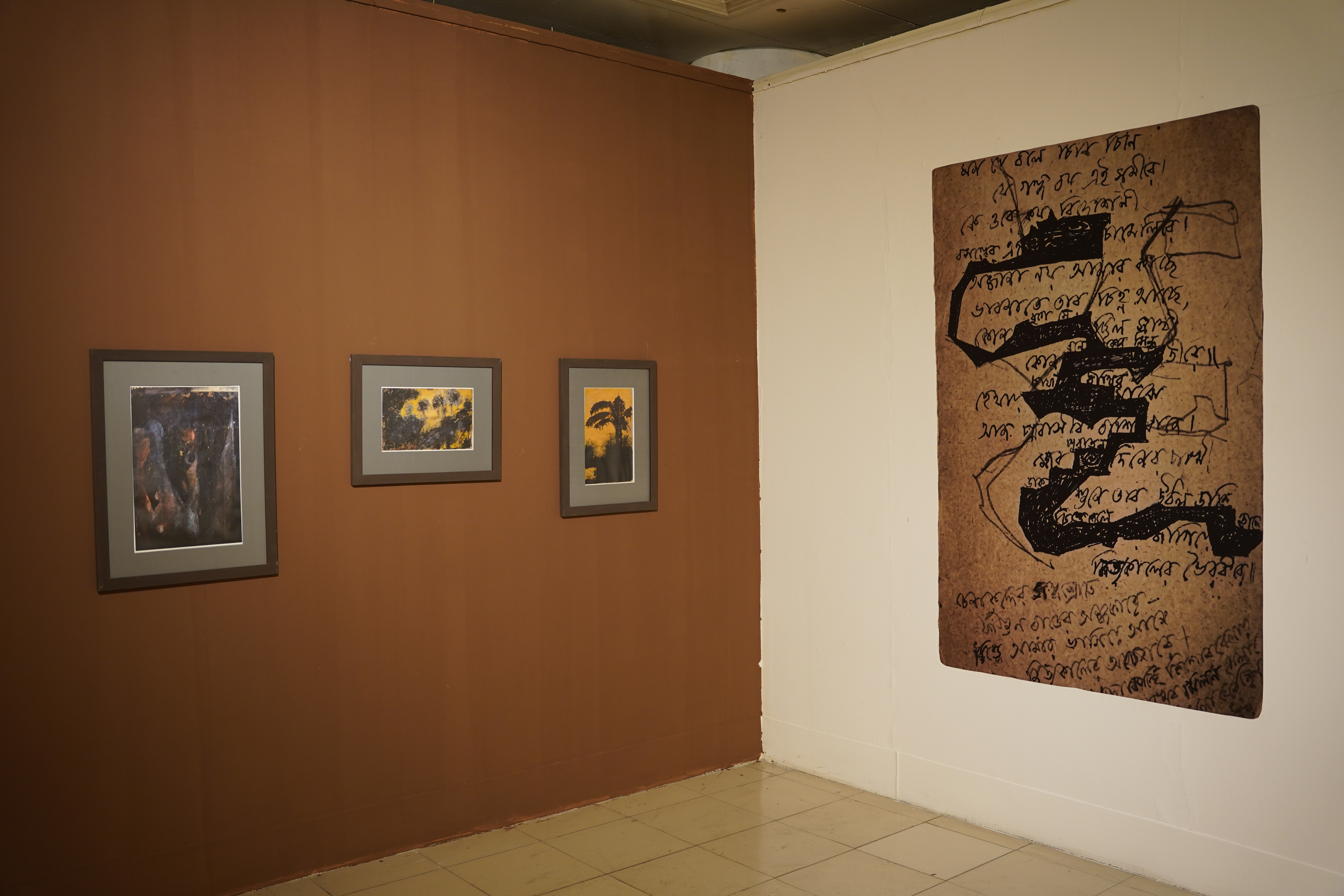
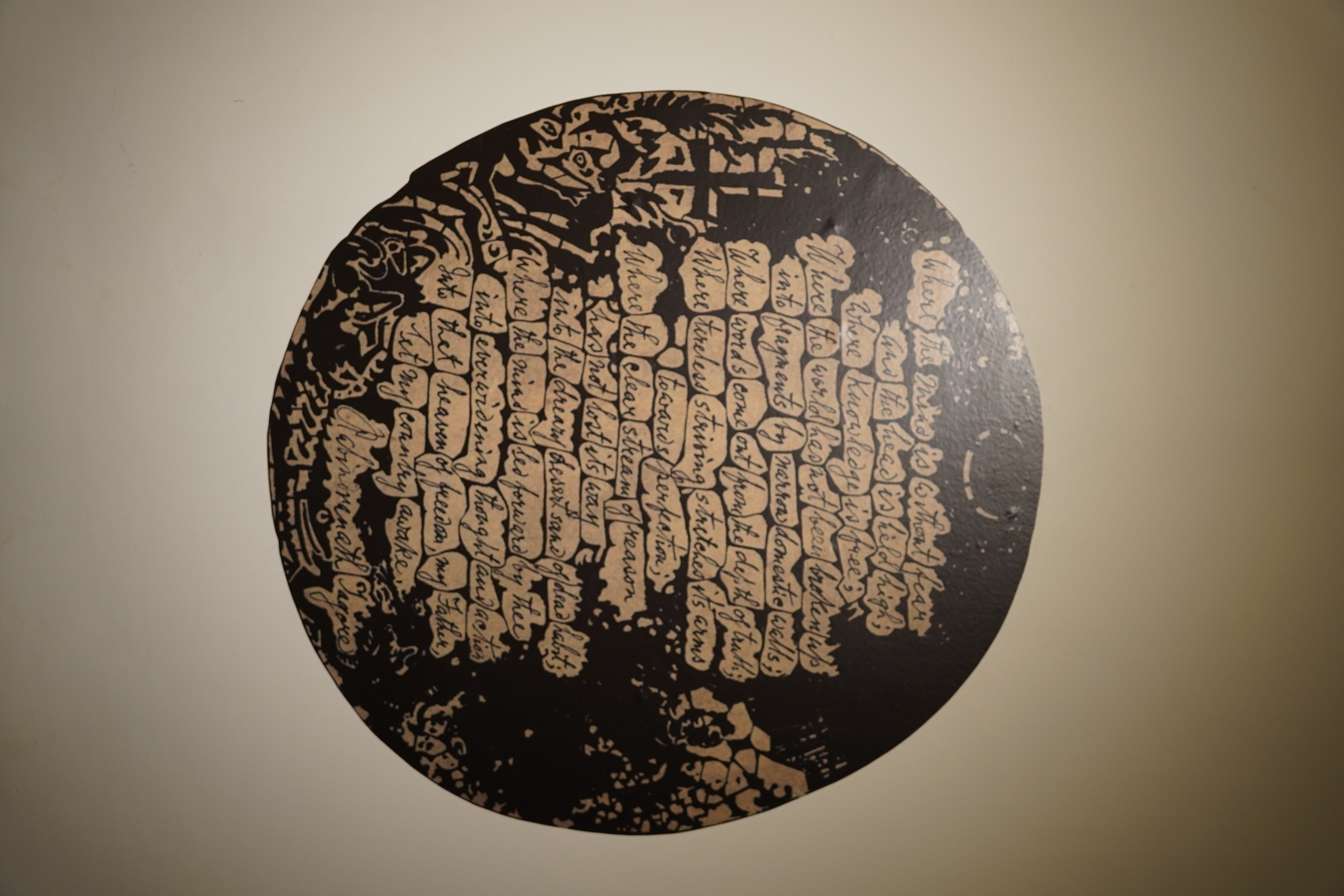
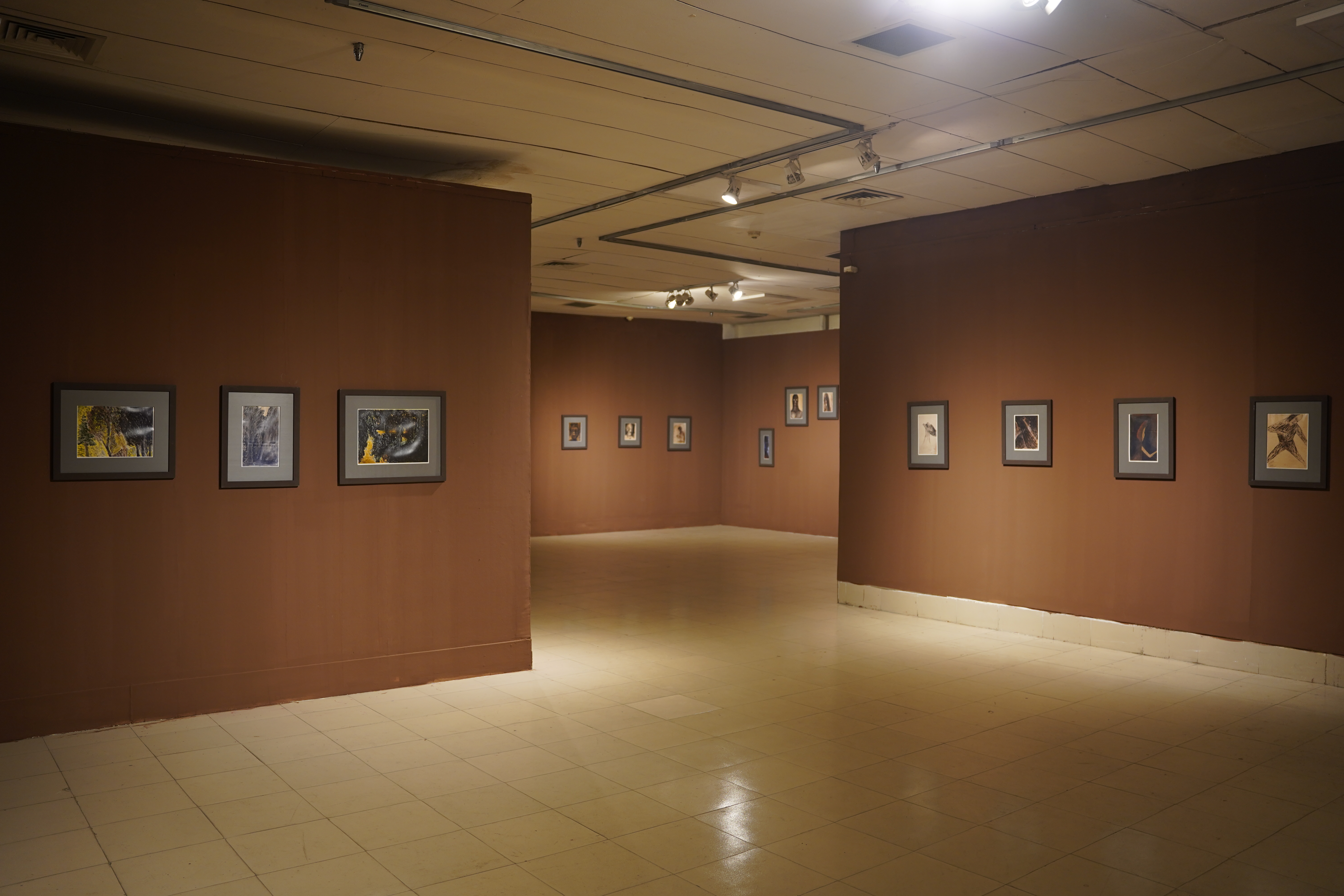
Rabindranath Tagore, one of the most influential figures in Bengali literature and art, has left and continues to leave an indelible mark on the world. As we commemorate his 165th birth anniversary, a special exhibition titled “Rabir Chitra - Chitrer Rabi” was organised to honour his multifaceted contributions to the world of art, music, and literature. The exhibition, which ran from May 8 to May 11 at the National Art Gallery in Dhaka, showcases the profound influence Tagore’s art has had on contemporary artists and their practices.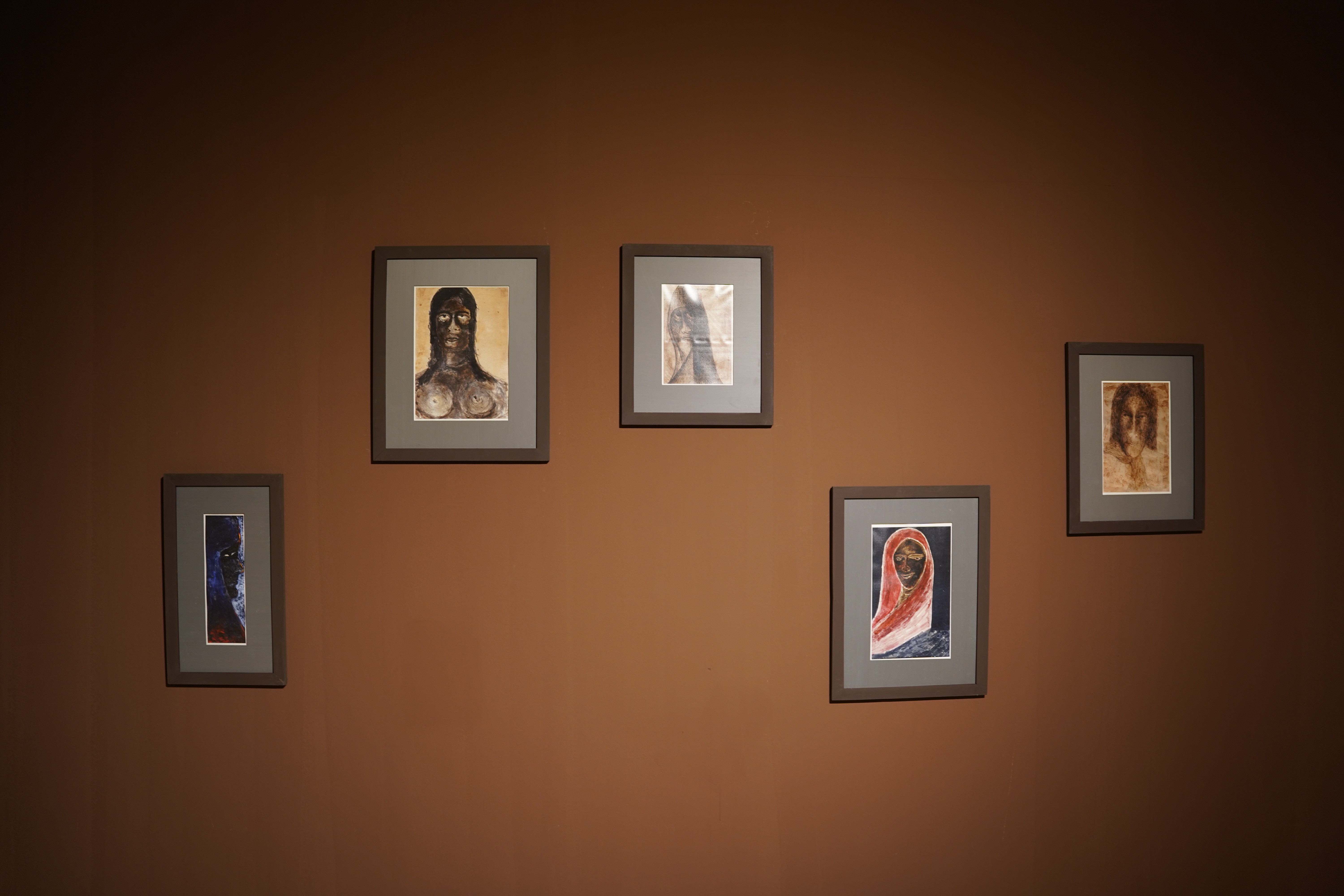
Rabindranath Tagore began his journey into visual art at the age of 63, and from 1928 onwards, his full-fledged artistic practice developed. Moving beyond traditional academic boundaries, he created a new and independent visual language that significantly impacted the Indian subcontinent’s modern art scene, focusing not on what has been drawn, but rather on the emotions and mental states behind the artwork.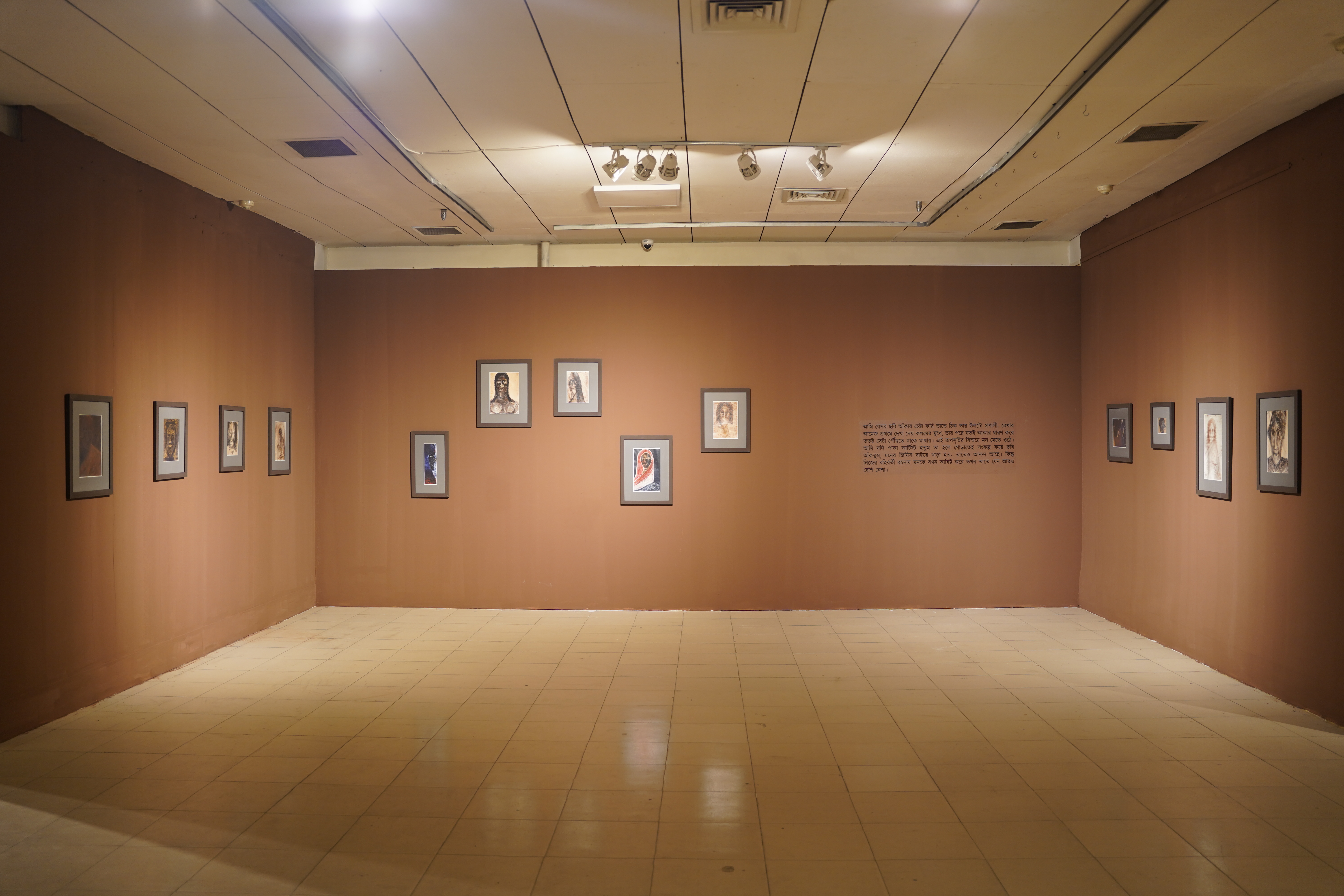
“Paintings are not about showing much, nor little. They carry something intangible, something more than what is visible.” His words are also reflected in his works, often painted using limited colours like ink and wash, and taking the shape of human and animal figures, reflecting his interest in the primitive art of native tribes, such as the Haida people of the Pacific Northwest.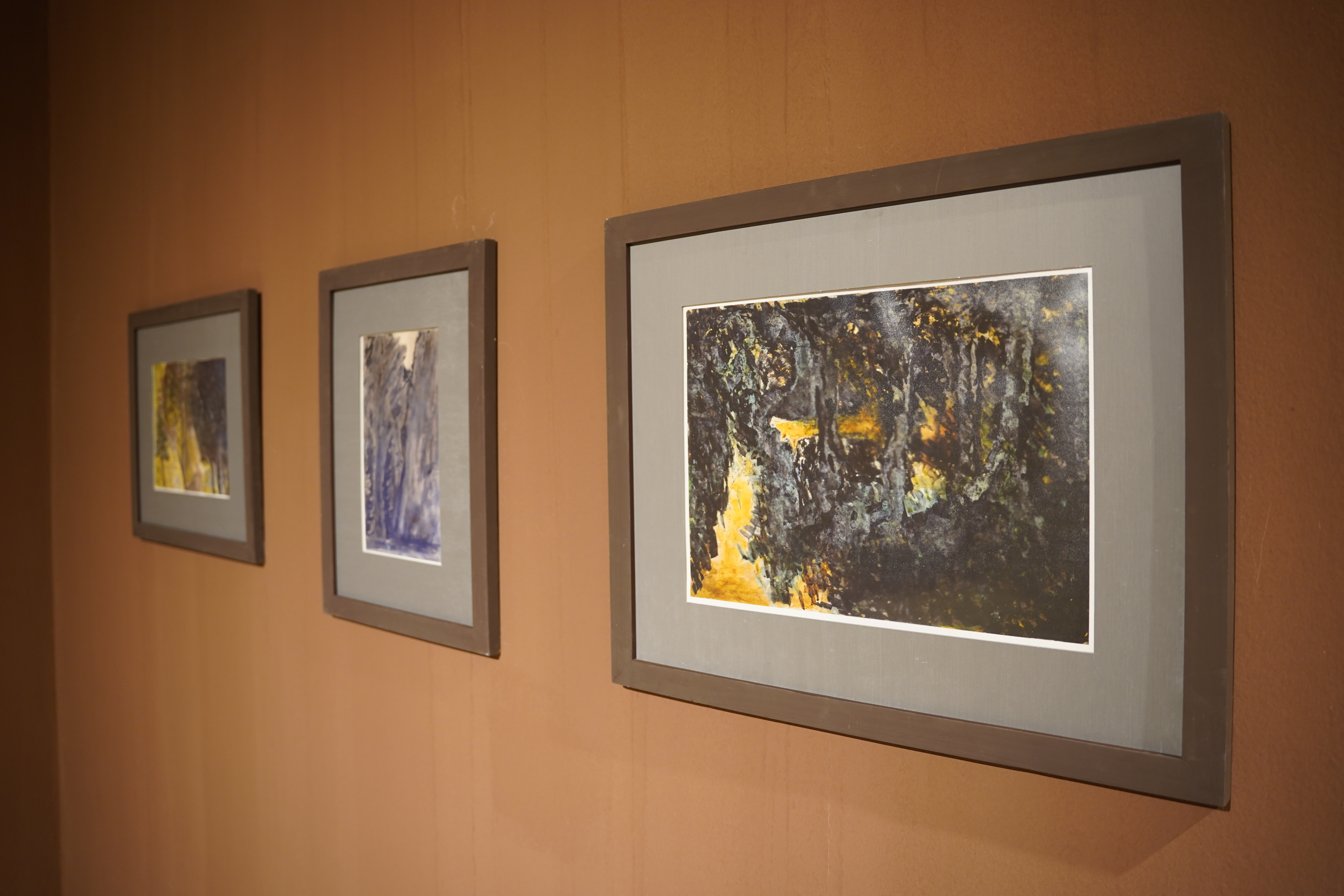
Rabindranath’s works come to life in this exhibition through the creations of contemporary artists who were inspired by his unique vision and engage with his timeless ideas. According to Ayesha Nazmin, the curator of the event, “This special exhibition is not just a tribute to Rabindranath’s work but also a re-examination of his thoughts, philosophy, and creative consciousness by artists who were deeply influenced by him.”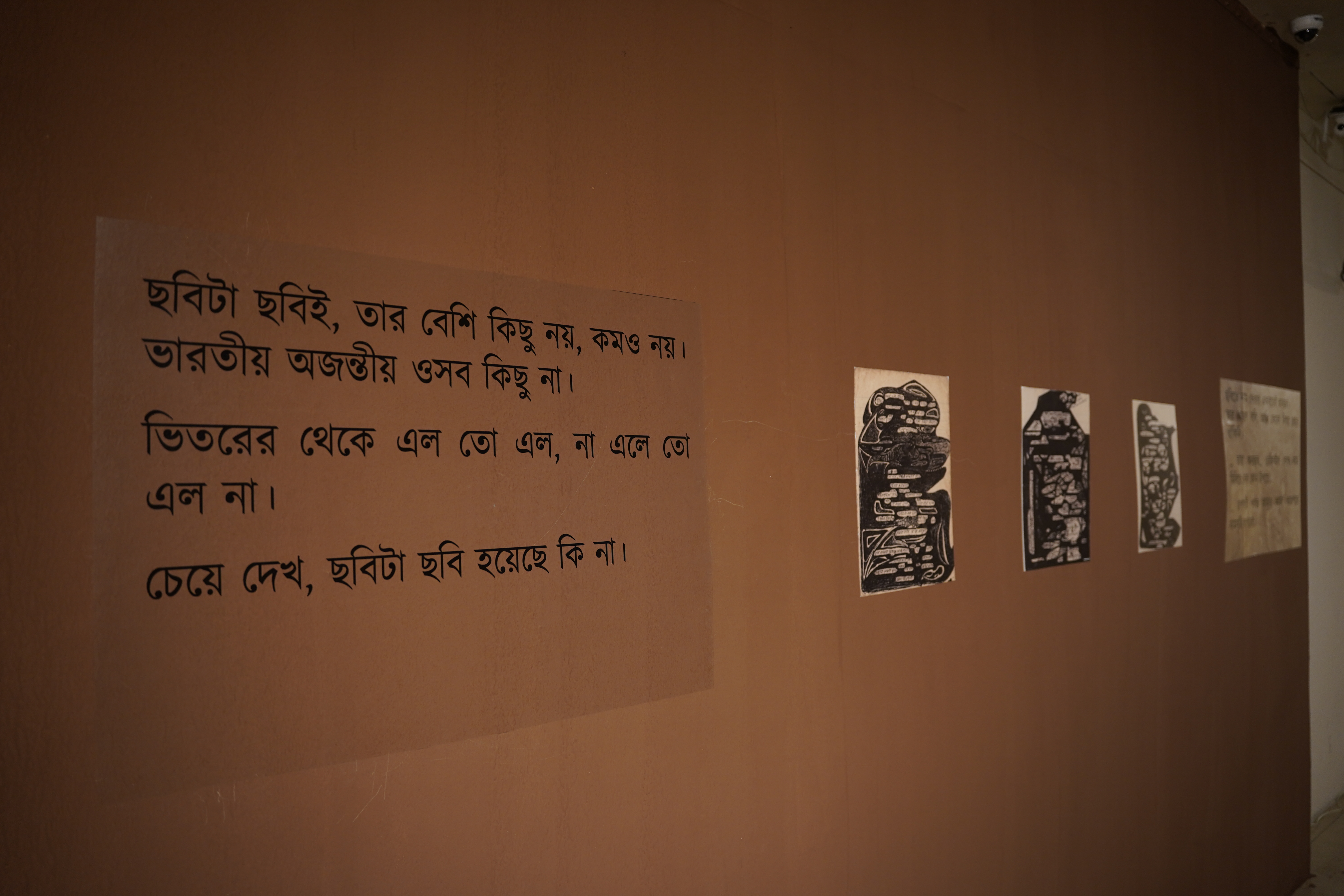
On the opening day of the event, distinguished guests included Information and Broadcasting Minister Zahir Uddin Swapon, and other influential cultural figures, spoke on the importance of Rabindranath’s contribution to literature and art. Music, dance, and recitation performances complemented the art displays and brought his works to life.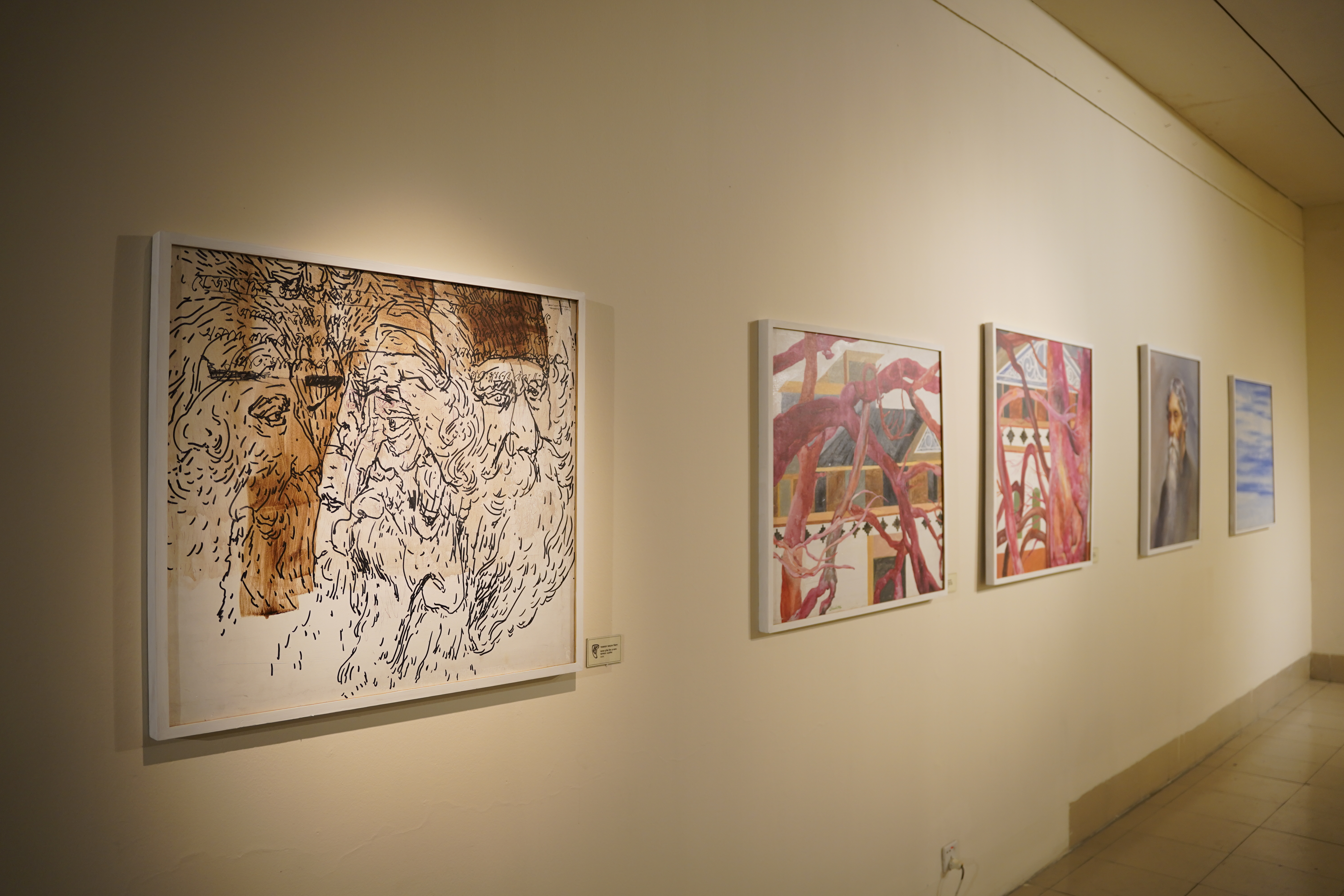
On the second day of the celebration, the event featured the presence of Nurul Islam Moni, Chief Whip of the Bangladesh Parliament, and Farzana Sharmin Putul, State Minister for Women and Children Affairs and Social Welfare. Both special guests and the key speakers highlighted the importance of Tagore’s work in shaping the nation’s cultural and intellectual landscape. The programme also included music and recitations, which served as both a tribute and an opportunity to reflect on the depth of his influence.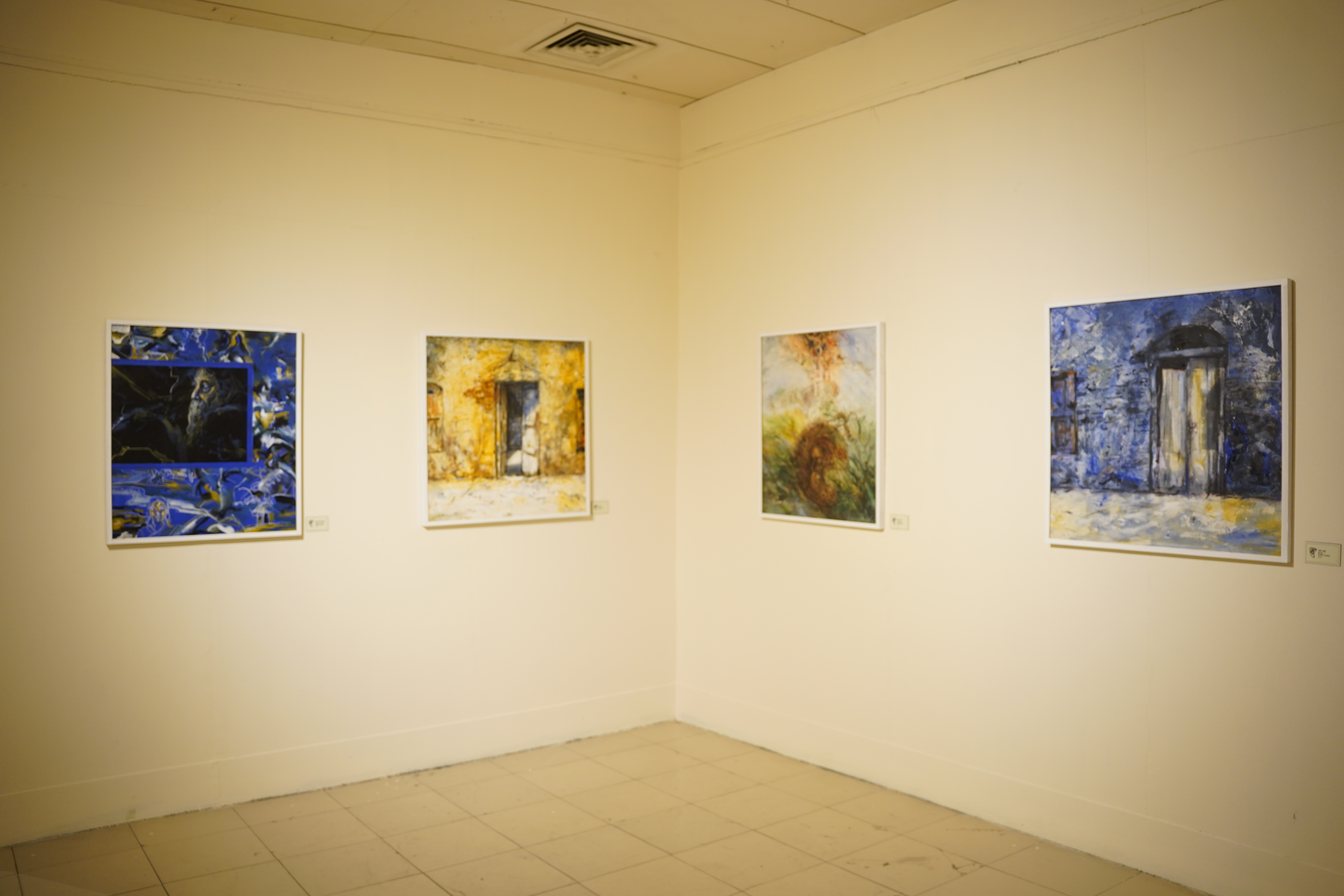
On the third day, the event continued with the presence of Cultural Affairs Minister Nitai Roy Chowdhury, and PM’s Adviser for Information and Broadcasting Dr Zahed Ur Rahman. The cultural programmes, which included recitations and music, served to emphasise Rabindranath’s influence on art, while the exhibition opened to the public, showcasing the artistic fusion of his philosophy and contemporary interpretations.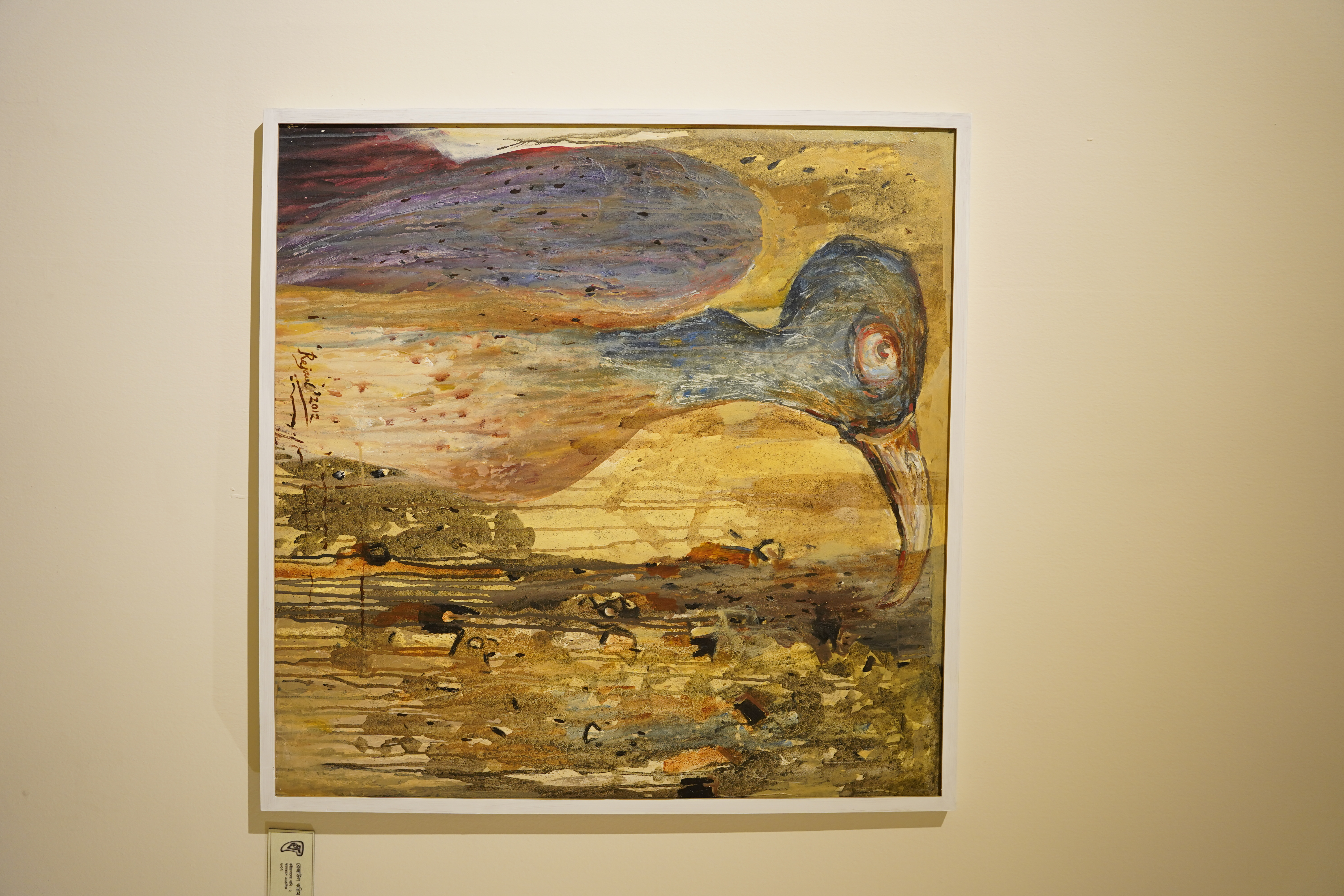
The final day, on May 11, presented a theatrical performance titled “Achalayan”, directed by Azad Abul Kalam. The performance, presented by Prachyanat, explored the deep-rooted cultural and philosophical themes inspired by Rabindranath’s work.
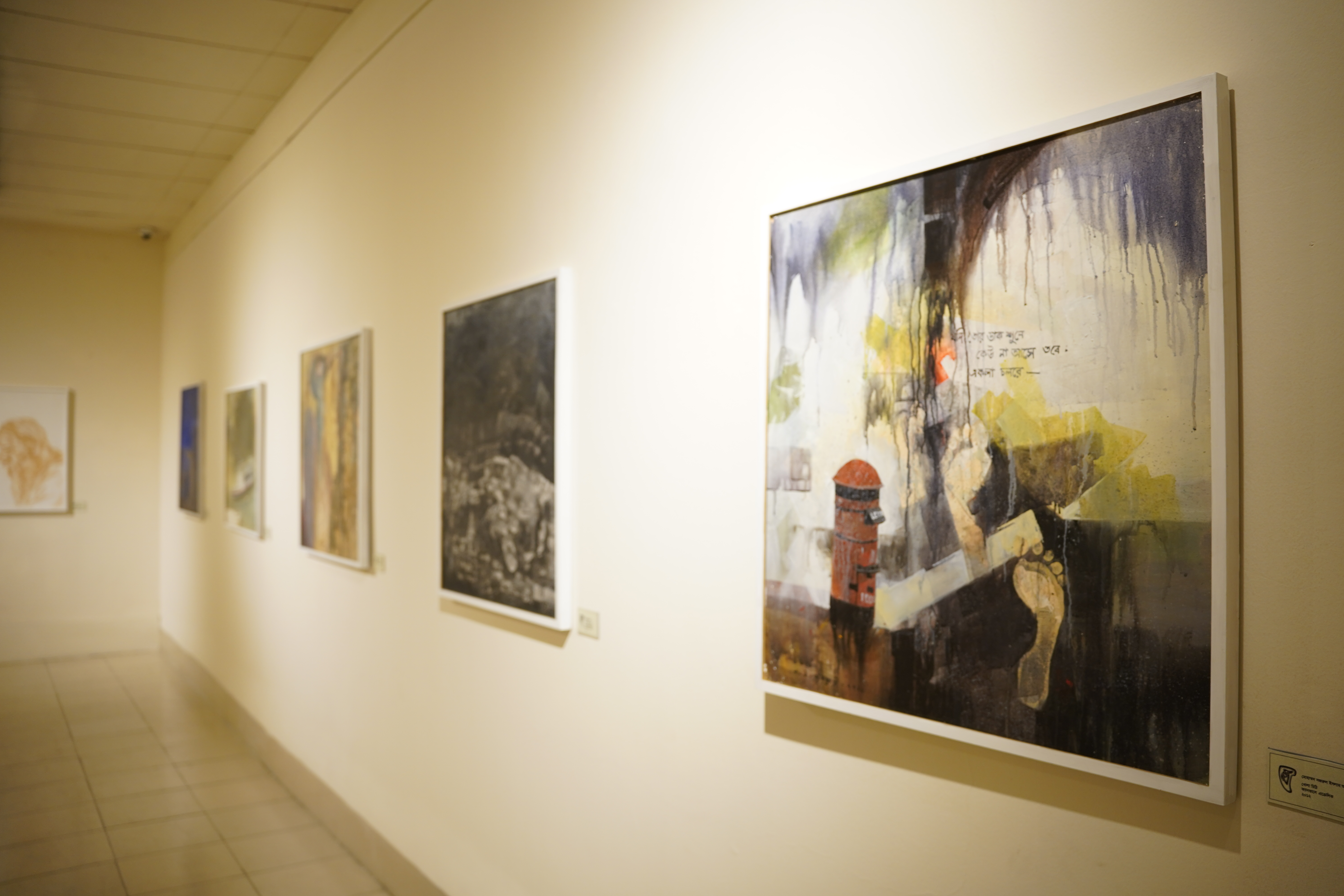
The event highlighted his consistent impact on the world of culture and proved that his vision, which transcends time, is more relevant than ever. In his own words, “I am a person who tries to do a few things right, with utmost sincerity. In my effort to show the world, I start to feel different from the usual way of thinking, but gradually, this path feels like it brings me closer to the real meaning of life. As I continue my journey, I start looking inward.” This introspection and sincerity continue to resonate, inviting all who view it to reflect on the depths of art and life that Rabindranath so profoundly explored.

 For all latest news, follow The Daily Star's Google News channel.
Comments