


‘The film was never meant to fit the mould’

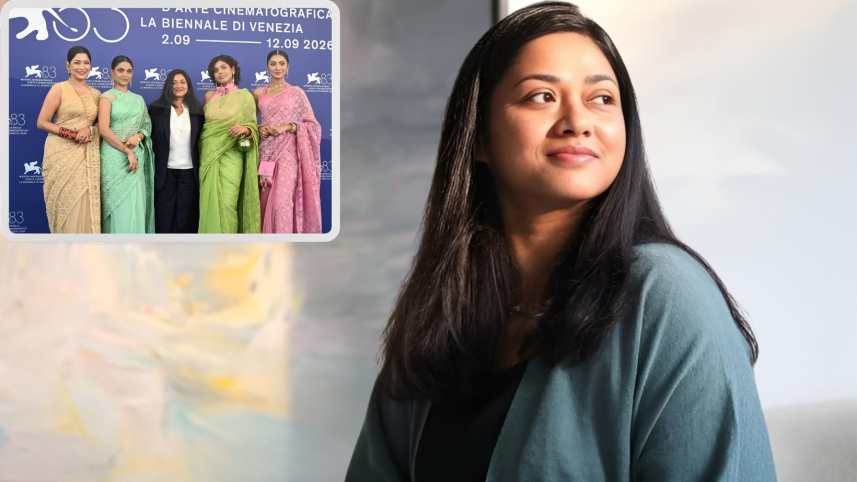
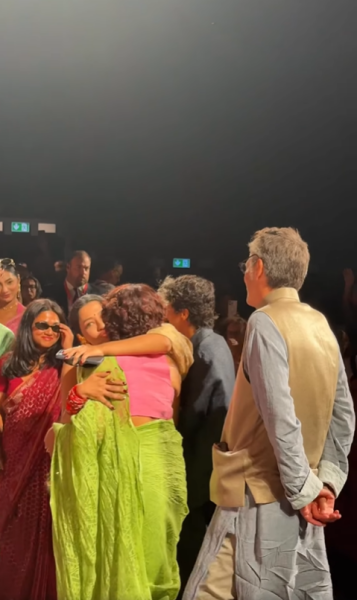
Sarees, dancing, cheers and applause — the screening of Rubaiyat Hossain’s “The Difficult Bride” at the Venice International Film Festival turned into a celebration of Bangladeshi cinema on the prestigious international stage.
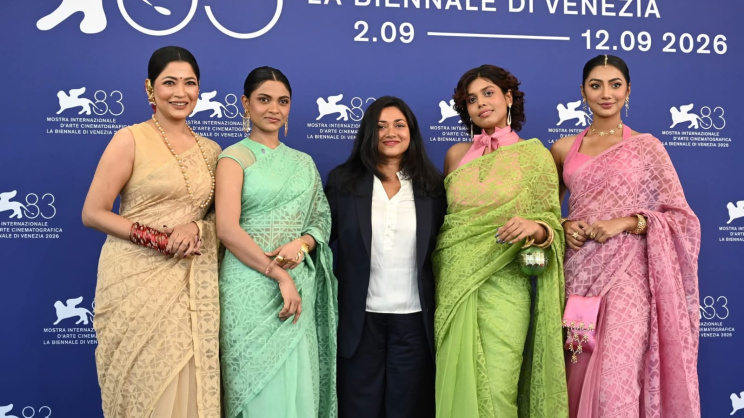
The film’s stars and international co-producers arrived at the Sala Darsena theatre in Venice in colourful sarees ahead of the screening at 2:15pm local time (7:00pm Bangladesh time) on Sunday, September 6.

Photos and videos from the festival captured the excitement as the team made their way into the packed theatre, where they were greeted with a standing ovation, cheers and applause. Among those present were cast members Zaineen Chowdhury Karim, Azmeri Haque Badhan, Sunerah Binte Kamal and Reekita Nondine Shimu.
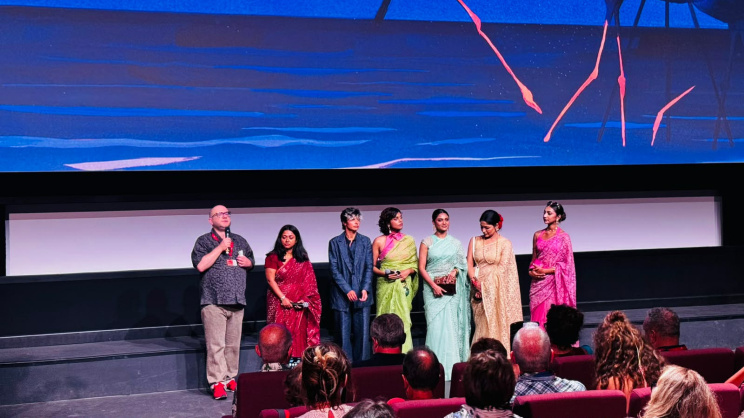
The occasion marked a significant moment for Bangladesh, as “The Difficult Bride” became the first Bangladeshi feature-length film to be selected for the Orizzonti Competition section of the 83rd Venice International Film Festival.
Speaking about the experience, director Rubaiyat Hossain said, “It was such an amazing experience. Everybody was looking at us in admiration and asking how the stars and producers were dressed so elegantly in sarees. The audience at the theatre loved our film. They gave us a standing ovation and cheered for us.”
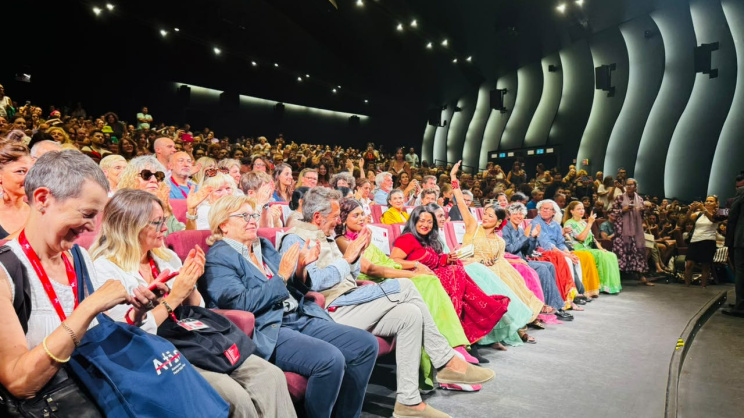
Rather than maintaining the typically composed atmosphere surrounding a festival screening, the team chose to celebrate the occasion.
“We were dancing and celebrating instead of just being serious, as we wanted to enjoy this moment to the fullest,” Rubaiyat said. “There was a lot of interest from the audience during the Q&A session, and the market report for the film was positive. There was also a lot of good buzz around it. Many people cried during the emotional scenes, and seeing such a wonderful response from the audience really made my heart full.”
The film also brought together a diverse, women-led international team to tell a story about beauty standards and the pressures they place on women.
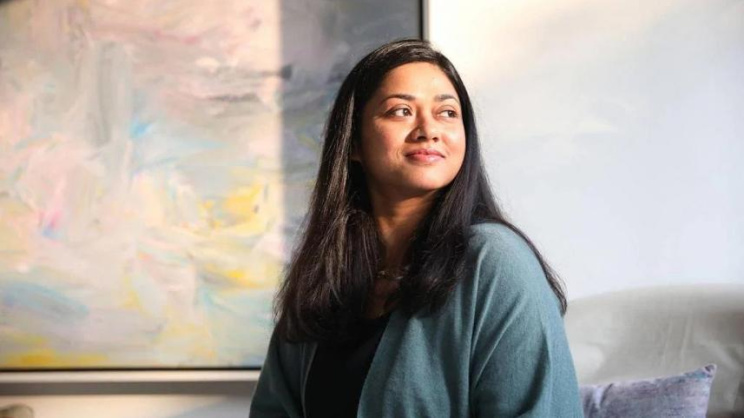
Speaking about working with the team, Rubaiyat said, “This film challenged the notion that women cannot make good cinema. From the sound mixer and sound designer to technicians across departments, their skill and pace of work were remarkable.”
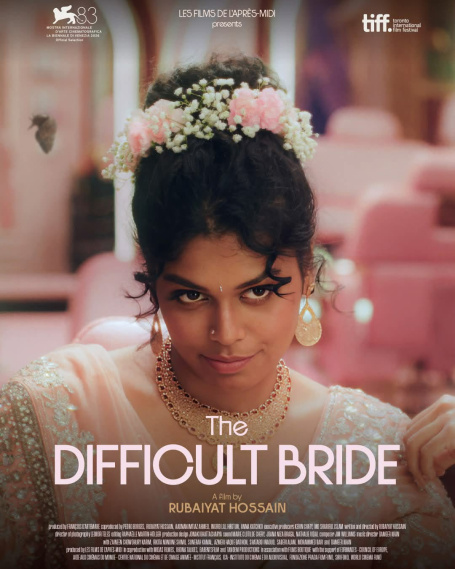
“Through the film, we wanted to question what we understand by beauty,” she said. “We tried to show how much pain can lie beneath the process of beautification. The film explores how society, through the beauty parlour, moulds a girl into its idea of a woman.”
The director also drew on a childhood memory of being frightened by the sight of brides crying at weddings, incorporating that feeling as another layer of the film’s narrative.
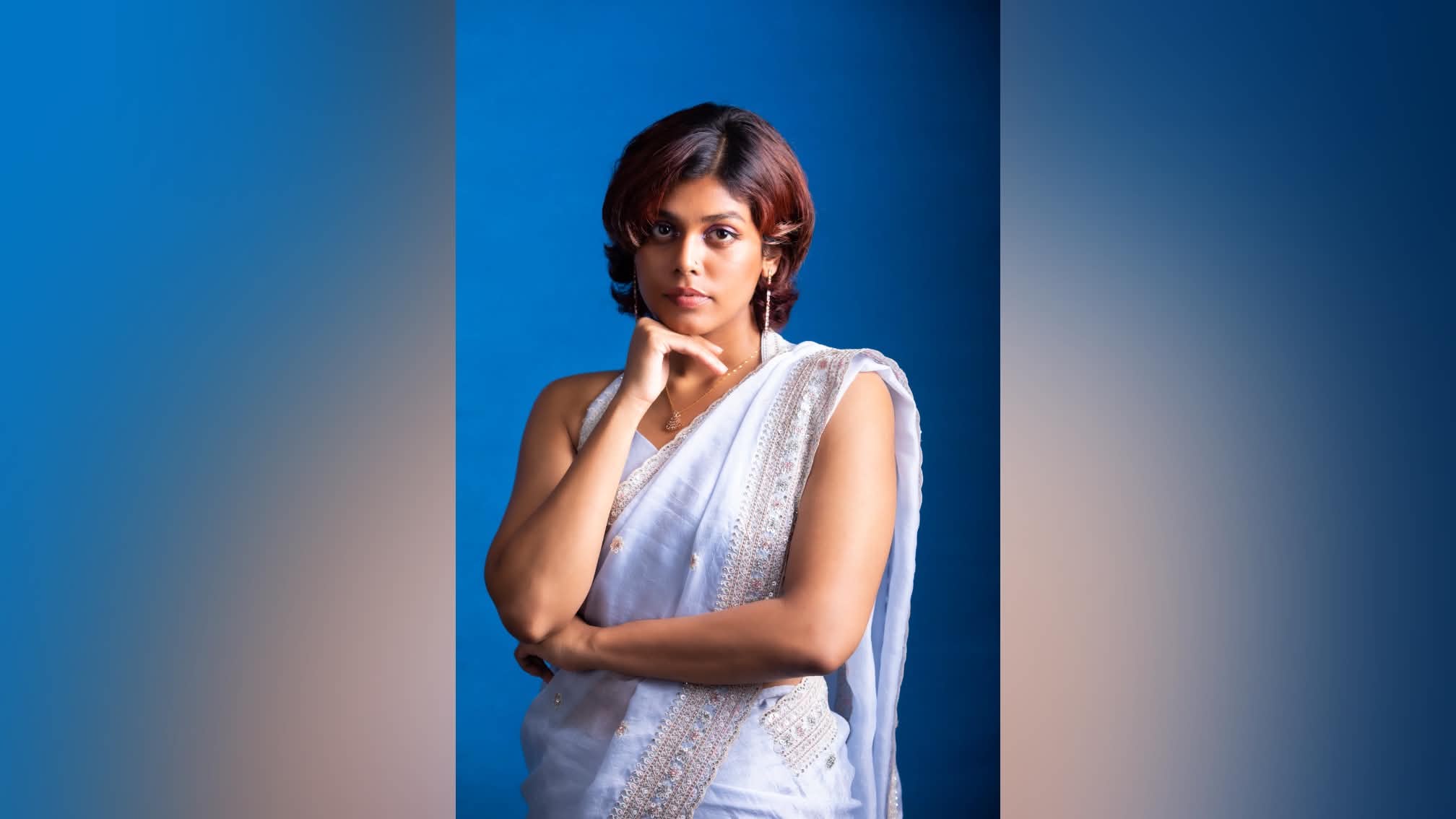
The sarees worn by the team in Venice were part of an idea organised entirely from afar. Everyone shared their measurements online while the outfits were being prepared in Dhaka. On the day of the screening, the stars and producers gathered at their hotel from 8:00am to get ready.
One of the actresses who plays a beauty parlour worker in the film also helped the team dress. Apart from Badhan and Sunerah, she helped nine women who did not know how to drape a saree, giving them the chance to embrace traditional Bengali attire for the occasion.
“The Difficult Bride” had two screenings for badge holders on Saturday, September 5. Two further screenings are scheduled for Monday, at 4:30pm at Astra 2 and 5:00pm at Astra 1.
The film is an international co-production involving France, Portugal, Norway and Germany, alongside Bangladesh’s Khona Talkies.
“The Difficult Bride” is expected to have further international premieres across Europe, North America, Asia and the Middle East later this year.
 For all latest news, follow The Daily Star's Google News channel.
Comments