


Budget 2026–27: Strengthening Investment in Social Sectors
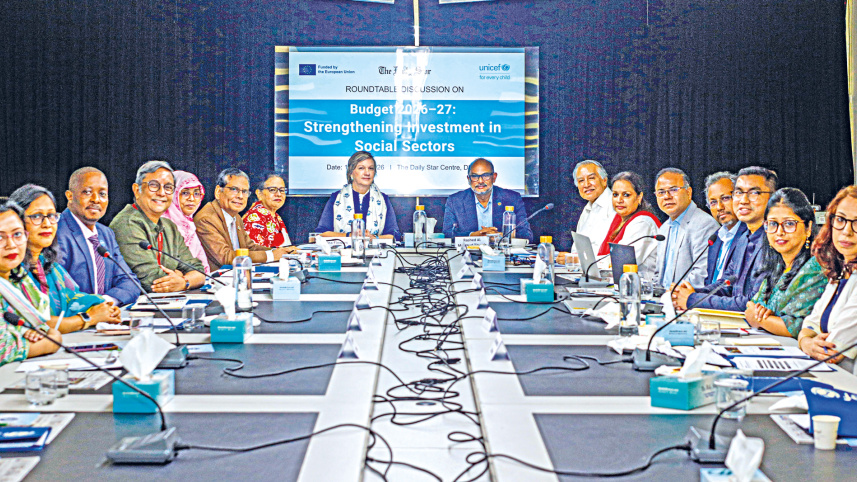
UNICEF and The Daily Star, with support from the European Union, held a roundtable on April 12, 2026. This dialogue brought together government officials, development partners, and civil society representatives to reflect on the current state of social sector allocations in Bangladesh and priorities for the upcoming national budget 2026-27, with a view to supporting a better budget proposal and its efficient use in social protection services, especially for children and mothers.
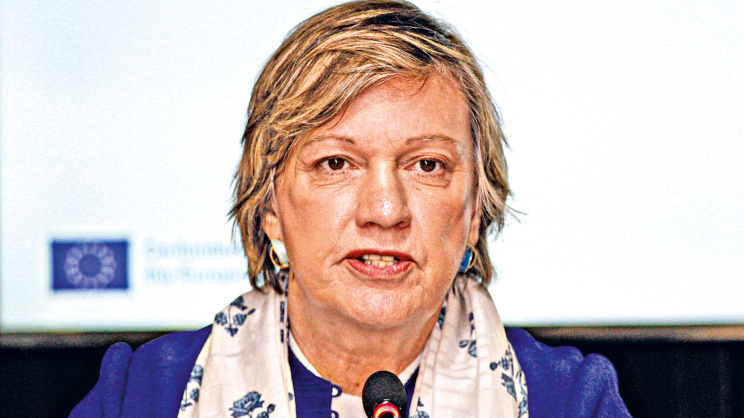
Rana Flowers
Country Representative
UNICEF Bangladesh

The national budget sets direction and signals priorities, especially for children. In a context of severe fiscal constraints driven by debt, inflation, and climate pressures, strong leadership is demonstrated by prioritizing and protecting investments in education, health, nutrition, and social protection, which remain essential for sustained and inclusive development. Past reductions in these sectors have led to slower learning, persistent malnutrition, and widening inequality. Therefore, maintaining and gradually increasing allocations, alongside improving spending efficiency, are needed. Currently, education receives about 1.5% of GDP and health less than 1%, with some funds underutilised, highlighting the need for better spending efficiency. Many children lack birth registration, limiting access to essential services. Learning outcomes remain concerning, with 1 in 2 children unable to read at grade level, while climate shocks have disrupted schooling for millions. Additionally, 38% of children nationwide, and 65% in Dhaka, face harmful lead exposure, and child labour has increased significantly. To bring solutions to these issues, strengthening transparency, improving evidence-based planning, and investing in climate-resilient infrastructure should be considered.

Mahfuz Anam
Editor and Publisher
The Daily Star
Greater and more effective media attention to children’s issues is essential. While notable progress has been made in areas like nutrition and stunting, current efforts remain far from what is necessary to protect the most vulnerable. It is therefore essential for the experts to share critical insights and data to highlight neglected areas. By utilising the media to raise difficult questions, policymakers can gain the necessary leverage to advocate for internal reforms. Ultimately, a strong partnership between the press and the government is required to build a more responsive and accountable nation.
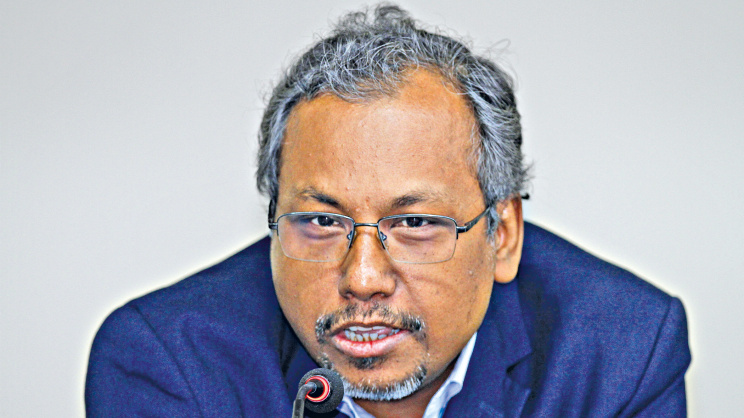
Md Ashiq Iqbal
Social Policy & Economic Specialist
UNICEF Bangladesh
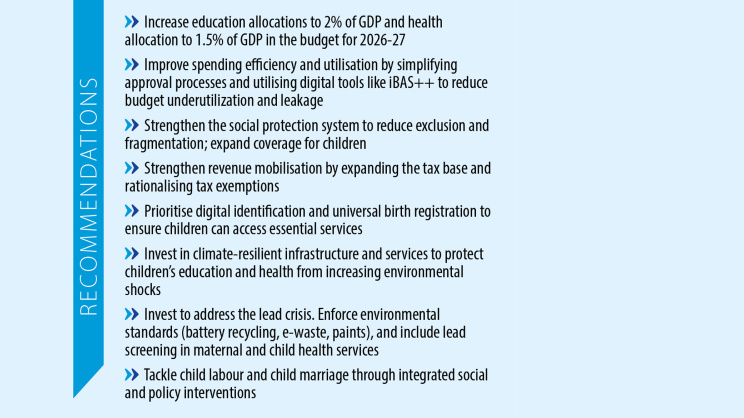
The upcoming national budget offers an important opportunity to reflect on the government’s election pledges and translate them into concrete investments for children. Findings from MICS 2025 highlight several concerns. In education, progress has slowed, with many children still out of school, declining attendance after the primary level, and weak foundational skills. In health, risks are rising: 2 in 5 children and 1 in 13 pregnant women show elevated lead levels in their blood, neonatal mortality remains high, recommended ANC visits are rare, and child wasting has worsened since 2019. Social protection coverage has dropped significantly, particularly for children, while child labour, early marriage, and low birth registration remain pressing challenges. Access to safe water and climate-resilient services is also limited. Commitments have addressed many of these issues, including expanding pre-primary education, improving healthcare access, strengthening social protection, and investing in water and sanitation. However, current investment levels remain far below targets. Education and health spending are significantly lower than global benchmarks, and social protection allocations are limited in effective coverage. Addressing these gaps requires prioritised investment in education and health and better budget utilisation; expanding social protection with inflation adjustments; strengthening child protection systems; improving birth registration; and investing in climate-resilient services. Advancing progressive tax reforms is essential to expand fiscal space and support sustainable financing of the social sectors.
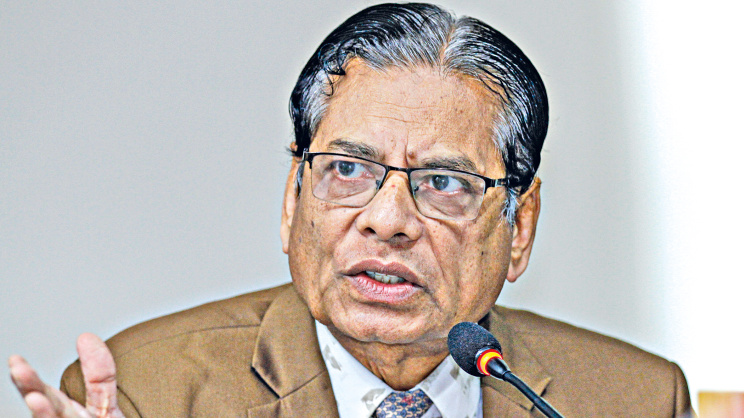
Prof. Mustafizur Rahman
Distinguished Fellow
Centre for Policy Dialogue (CPD)
To establish the foundation for the upcoming five-year strategic plan, the 2026-27 budget is crucial. Achieving ambitious targets such as raising education and health spending to 5% of GDP each and social protection to 3% would call for both restructuring of the budget and raising allocative efficiency. This highlights the need for clear reprioritisation across sectors. At the same time, transitioning from “low-hanging fruits” to second-generation challenges necessitates a focus on quality and productivity rather than just allocation. Furthermore, enhancing the IBAS++ system will allow for better tracking of expenditures, specifically for vulnerable groups like the 3.6 million street children, many of them facing violence and a lack of basic literacy. Therefore, early investment is essential to prevent long-term social costs. While the formal revenue-to-GDP ratio remains at 7.9%, addressing systemic leakages can significantly increase available resources. Finally, taking advantage of tools such as pledge trackers will ensure accountability and support the successful implementation of these national goals.
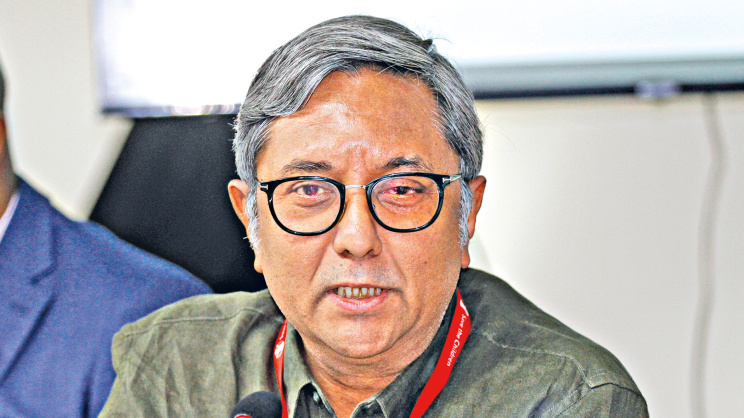
Shumon Sengupta
Country Director
Save the Children in Bangladesh
The nation possesses immense potential, fueled by a strong demographic dividend and remarkable human agency among women and youth. While systems and structures may currently be fragmented, they provide a necessary foundation that can be revitalised through strategic budgetary direction. The focus must remain on strengthening the system to ensure that every taka spent delivers the maximum possible impact. Our women demonstrate levels of empowerment that may not be seen in many developed nations, while the youth continue to produce innovative solutions that can drive the country forward. To capitalise on this demographic dividend, investments must be hyper-prioritised toward models that have already proven successful in reducing child labour and child marriage. Moreover, increasing government efficiency is essential. The state can leverage tools like AI to improve planning and resource allocation. By building on evidence-based results from the ground, the government can transform generic goals into measurable successes, ensuring a prosperous future for all children and citizens.
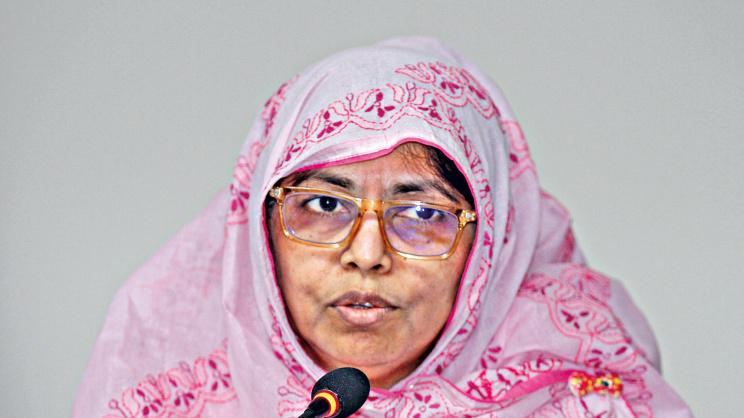
Ayesha Akther
Deputy Director
National Academy for Educational Management
Secondary and Higher Education Division, Ministry of Education
The government’s strategic initiatives offer a promising roadmap for inclusive growth and social stability. By expanding the family card program to reach 5 million people, the state is strengthening the primary safety net for vulnerable households. Complementary efforts, such as specialised cards for farmers and fishermen, ensure that essential workers in the primary sector receive targeted support. Furthermore, prioritising youth through skill training and financial assistance addresses the demographic dividend directly. These combined social safety expansion plans signal a serious commitment to human development, fostering hope for effective governance and a more resilient economy.
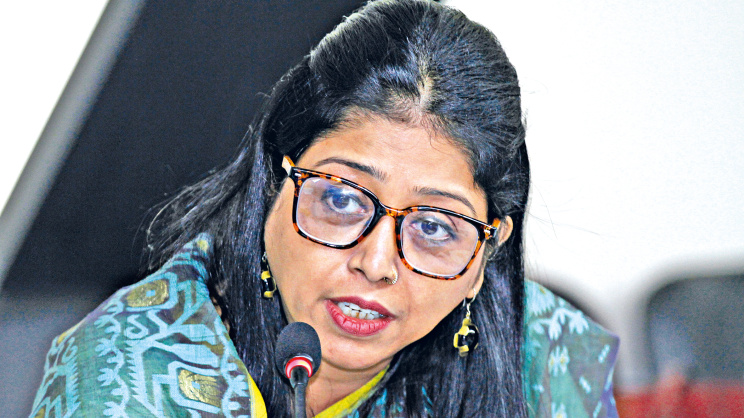
Kishower Amin, FCA
Programme Manager, Public Financial Management (PFM)
European Union Delegation to Bangladesh
To ensure adequate funding for social sectors, increasing domestic revenue mobilisation must be a top priority. Addressing the current fiscal gaps requires comprehensive reforms within the National Board of Revenue, specifically by expanding the tax base and exploring innovative collection streams but without burdening the existing taxpayers. Modernising the system through user-friendly digitisation and establishing a consistent tax policy will create a hassle-free environment for taxpayers, which is essential for boosting compliance. In addition to revenue generation, strengthening Public Financial Management (PFM) is vital for sustainable growth. This involves creating credible budget plans and ensuring efficient execution while maintaining rigorous expenditure controls. Enhancing transparency in financial reporting further builds public trust and ensures that resources are utilised effectively. By focusing on these structural improvements, the government can secure the necessary financial space to invest deeply in the nation’s future.
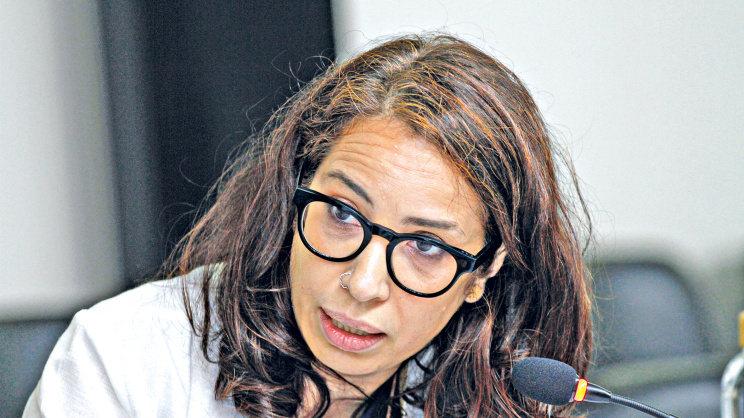
Iole Valentina Lucchese
Programme Manager, Social Protection
European Union Delegation to Bangladesh
The social protection system faces significant structural hurdles, as more than half of the current budget is directed toward programs that do not directly target the people who are in need of social assistance. Despite substantial investments, current social assistance reduces poverty by less than 1%, suggesting that a major shift in strategy is required. While the new vision for family cards is a positive step, the focus must move beyond cash allocations toward building the capacity and accountability of the government. Additionally, increasing fiscal constraints highlight the need for contributory reforms for the middle class. Tracking the budget allocated for social protection programs is also vital, since data shows that the budget for some key programs, such as the mother and child benefit program, was not spent totally. So, the upcoming budget is a window of opportunity that allows for a redefined national strategy that prioritises the common good and ensures tangible outcomes for those in need.
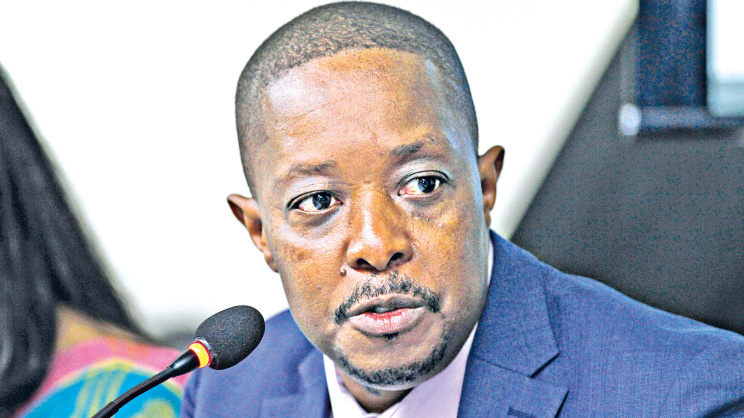
Stanley Gwavuya
Chief - SPEAR
UNICEF
Improving budget implementation offers a practical and immediate opportunity to enhance public spending outcomes. Currently, an average of 50% of the allocated budget in many programs is lost due to slow implementation, with spending often backloaded to the final quarters. This delay compromises both the quality and efficiency of expenditure. By simplifying approval processes while maintaining accountability, execution can be accelerated significantly. Moreover, proposed targets such as 2% of GDP for education reflect levels achieved in the past, suggesting recovery is possible. Similarly, health and social protection allocations, which once reached up to 3.1% of GDP, can be strengthened again to support long-term commitments and improved service delivery.
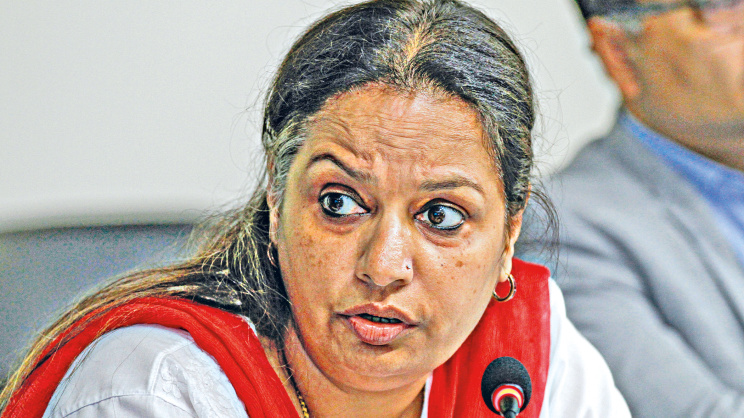
Gitanjali Singh
Country Representative
UN Women
 For all latest news, follow The Daily Star's Google News channel.
 Around 30–34% of the national budget is allocated to gender-responsive spending each year. However, despite this, challenges such as high levels of violence against women and girls and widespread child marriage continue. At the same time, women and girls spend more hours on unpaid care work than men, contributing an estimated 12–18% of GDP. This highlights the need to strengthen impact. Therefore, better tracking of allocation, expenditure, and outcomes is essential, supported by improved disaggregated data. In addition, capacity gaps across 62 ministries need to be addressed through stronger coding systems. As the next five-year plan approaches, integrating gender budgeting with climate financing can enhance results, while progressive taxation can create the fiscal space needed for sustained social investment.
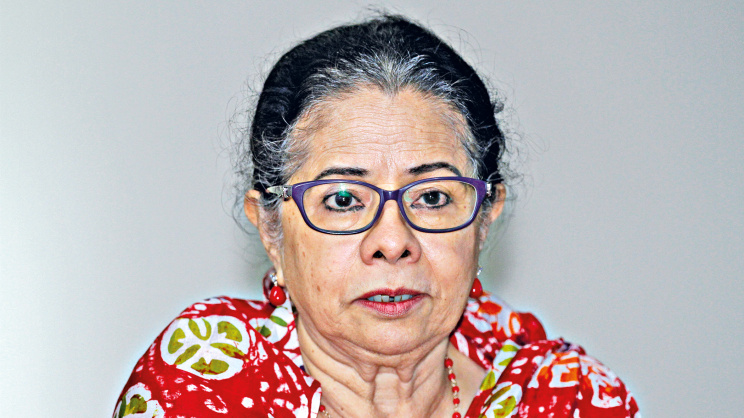
Rasheda K Choudhury
Executive Director
Campaign for Popular Education (CAMPE)
Education spending needs to be seen as an investment in human development, as it supports health, empowerment, and overall progress. At the same time, urgent issues such as the growing lead poisoning crisis among children require greater attention, as recent studies place Bangladesh in a high-risk zone. In addition, strengthening revenue is essential. Addressing corruption, which is estimated to cost about 2.5% of GDP, and reducing losses linked to violence against women, around 2% of GDP, can help create fiscal space. Furthermore, tackling drug addiction and enforcing tobacco control near schools will protect the youth from rising crime trends. Innovative financing should also be explored, such as an education cess to create dedicated support funds. Finally, engaging the diaspora as a strategic resource offers a path to channel untapped global support into mainstream education, ensuring a broader and more sustainable budget base for future generations.
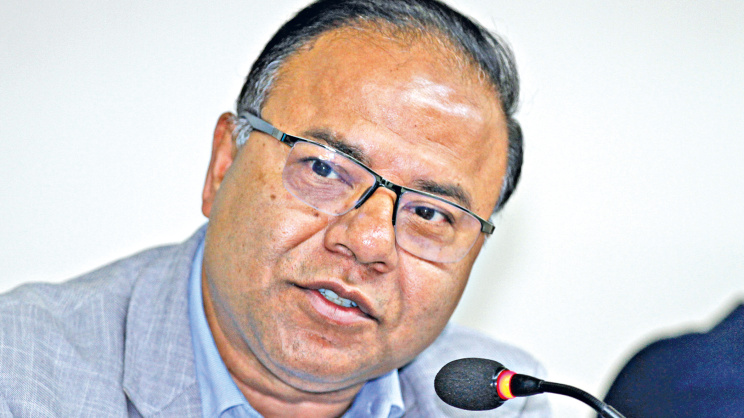
Dr. Abu Eusuf
Executive Director
Research and Policy Integration for Development (RAPID)
Transparency in budget reporting is essential for effective social sector planning. A dedicated education budget should be clearly defined by separating technology expenditures from core learning allocations. Similarly, reinstating child budget reporting, which has been paused since 2019, is vital for tracking investments in essential programs like school feeding and immunisation. Regarding social protection, refining the data by excluding irrelevant programs will provide a clearer picture of actual benefits. Establishing high-standard hospitals in all eight divisions is necessary to decentralise quality healthcare. Furthermore, expanding the fiscal space is possible by rationalising tax exemptions, which currently account for nearly 6% of GDP. Rather than increasing the burden on existing taxpayers, modernising the tax system, expanding the tax net, and addressing revenue leakages could potentially increase tax collections. Ultimately, these reforms ensure that resources are effectively targeted toward building a more equitable society.
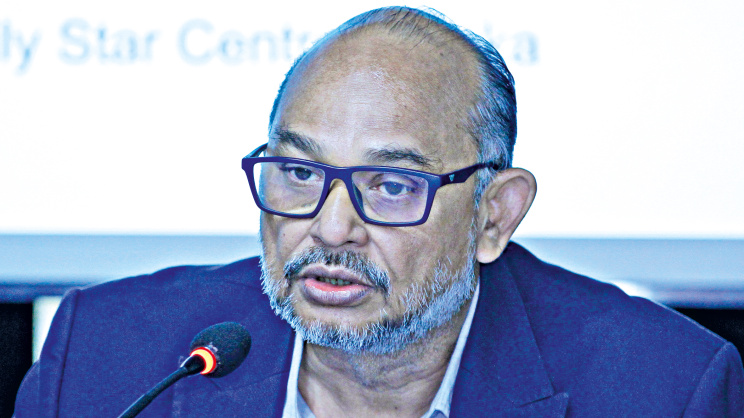
Rashed Al Mahmud Titumir
Hon’ble Prime Minister’s Adviser
Ministry of Finance & Planning
Prime Minister’s Office
The recent GDP growth rate of around 3% highlights the need for careful policy action, alongside efforts to improve the credibility of national statistics. A gradual and pragmatic approach is being taken to increase social sector spending and move towards broader international commitments by 2031. In addition, a shift towards universal systems in education, health, and social protection is being prioritised to reduce exclusion and improve access. Fiscal policy is being restructured to improve efficiency and reduce errors through digital systems, including a “one card, one citizen” approach and the expansion of family and farmer cards. These aim to ensure better targeting and reduce leakage. At the same time, transparency and accountability are being strengthened through digital platforms such as iBAS+++, e-tax systems, and planned e-invoicing. Furthermore, emphasis is placed on increasing capital expenditure through the Annual Development Programme, while ensuring efficient use of resources. Through these combined efforts, the goal remains to build a more inclusive, transparent, and resilient economic system.
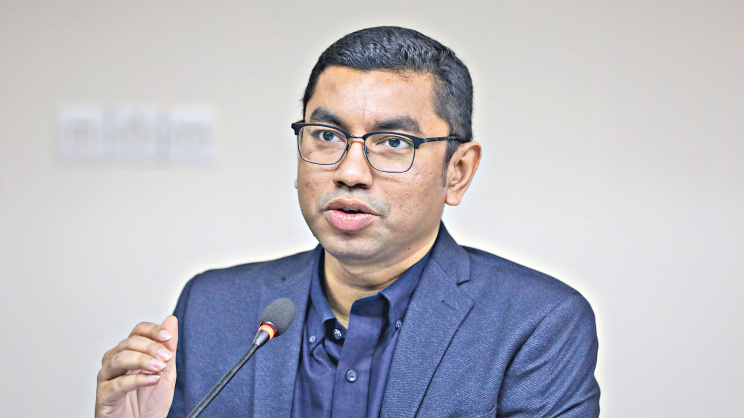
Tanjim Ferdous
Head of Strategic Partnerships
The Daily Star (Moderator of the Session)
Bangladesh has made strong progress in education, child survival, and overall well-being over the past decades. However, progress has not been equal, and some areas have slowed while gaps remain. At the same time, fiscal pressure and global economic uncertainty are creating new challenges. In this context, the national budget for 2026–2027 carries special importance, as it offers an opportunity to turn commitments into real investments. This roundtable aimed to reflect on the current challenges as well as indicate practical pathways to enhance fiscal space, improving spending efficiency and prioritising investment where they matter most.
Comments