


Safer roads, safer lives: A National Call to Action
A roundtable titled “Safer Roads, Safer Lives: A National Call to Action” was held on 19 August 2026 at The Daily Star Centre, Dhaka. Jointly organised by Unilever, FICCI and The Daily Star, the dialogue brought together government officials, key stakeholders and representatives from private business sector to deliberate upon ensuring road safety and accountability for citizens and business establishments, notably positioning road safety at the heart of Unilever’s sustainability and supply chain agenda.
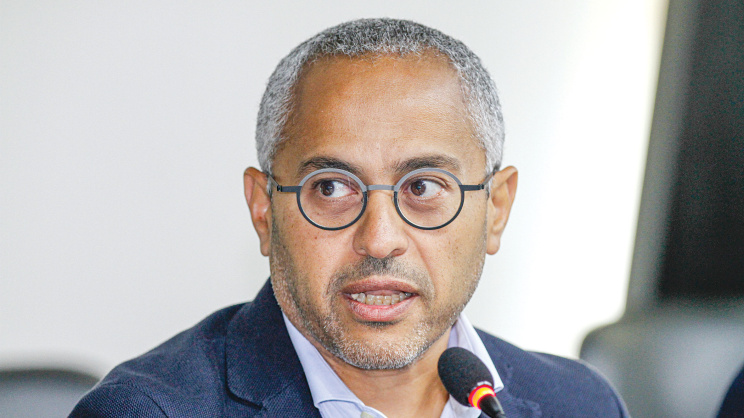
Essam El-Okda
Customer Excellence & Logistics Director
Unilever Bangladesh

We are calling for road safety to become a national movement—one that unites government, businesses, communities, and every road user behind one shared ambition: Safer roads - safer lives. Bangladesh has an opportunity to move from fragmented interventions to coordinated national action, combining leadership, technology, accountability, and collective responsibility.
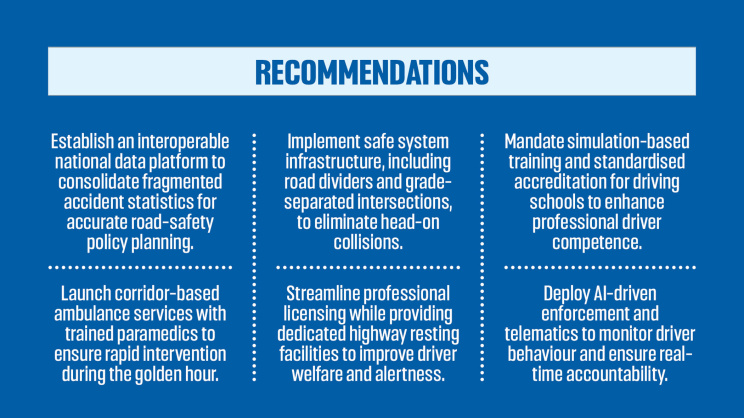
The gravity of the situation is underscored by a national road fatality rate of 18.6 per 100,000 people, significantly exceeding the global average. Around 31,000 accidents over four years caused 59,000 injuries and a 2.5–3 per cent GDP loss, disrupting supply chains and deterring foreign investment. So, our strategy focuses on three pillars: data-driven enforcement, driver competence, and post-incident response coordination. Establishing a national driver capability framework and streamlining professional licensing are essential to ensure road users meet mandatory safety standards. By reframing road safety as a shared national priority, the private se ctor can leverage technology and global expertise to save lives.

Anowarul Amin
Head of Corporate Affairs and PR
Arla Foods
Parallel to technological integration, enhancing driver capability through modernised training methodologies is a primary requirement for long-term safety. The current absence of simulation-based training remains a significant deficit, as such technology prepares drivers to manage crises, natural hazards, and adverse weather conditions with greater precision. Beyond the human cost, accidents result in substantial asset losses for businesses and revenue deficits for the state, particularly when cargo is compromised at crash sites. To mitigate these risks, the establishment of a national task force with multi-stakeholder participation is essential to implement global best practices. Risk-mapping zones should be identified within industrial belts to ensure strategic infrastructure improvements and the effective mobilisation of industrial police units. Furthermore, strict measures must be instituted to address instances where logistics personnel flee the scene of accidents. Genuine partnership between the government and the private sector, leveraging the experience of multinational organisations, will facilitate a comprehensive policy framework.

T.I.M. Nurul Kabir
Executive Director
FICCI
Addressing the broader economic implications, road safety is identified as a fundamental pillar of supply chain management, where accidents cause significant business losses and stifle national opportunities. Despite the existence of numerous policies, implementation remains the primary obstacle to progress, necessitating a comprehensive gap analysis to identify why safety measures stall at the execution phase. A holistic approach is required, moving away from piecemeal initiatives toward a unified framework for safety and security. This includes the recruitment of healthy drivers and the adoption of data-driven technologies, such as AI-driven CCTV on national highways, to generate actionable intelligence. Multi-stakeholder consultation is essential to create an inclusive environment where the government, private sector, and civil society can collectively ensure accountability. A national task force should be established to monitor these policies and ensure consistent execution across all sectors. By viewing road safety through a lens of shared responsibility, the country can protect its human capital.
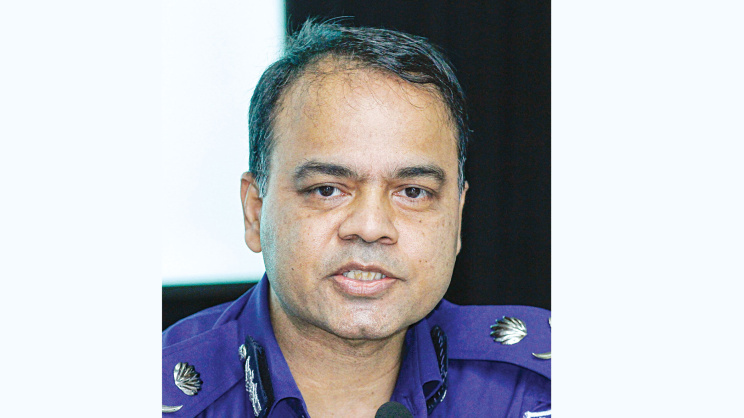
Faruk Ahmed
Additional Inspector General
Bangladesh Highway Police
Ensuring the efficacy of these projects, accurate data remains the foundation of road safety planning, as discrepancies in current records hinder thorough analysis. Beyond technical skills, instilling empathy in drivers is essential to prevent fatal collisions, particularly when one party makes an error. Infrastructure improvements, notably the installation of road dividers, are critical for eliminating head-on crashes, which represent a significant portion of highway fatalities. Furthermore, grade-separated engineering designs, such as underpasses and overpasses at intersections, can replace manual traffic policing and ensure seamless vehicular flow. Digitalisation is equally vital; adopting speed governors and automated fine systems provides the external control necessary to curb dangerous driving behaviours. Real-time digital tracking not only improves enforcement but also assists in recovery efforts during logistics-related crimes. By viewing human resources as valuable national assets, stakeholders can push for a culture of discipline. Continuous multi-stakeholder dialogue is necessary to generate the momentum required for implementing these solutions.
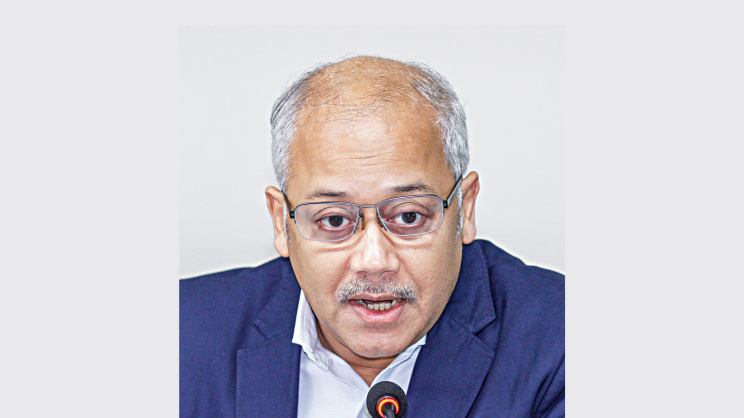
Shams Zaman
Committee Chair
FICCI
Establishing a foundational philosophy for the discussion, the core objective involves transitioning towards a Safe System Approach where human error does not automatically result in fatalities. Within this framework, infrastructure and architectural planning must prioritise the safety of the most vulnerable road users, particularly children and pedestrians. Success in this sector is no longer measured solely by the expansion of road networks or the volume of vehicle registrations, but by the tangible safety experienced by every citizen. This perspective necessitates a shift from isolated efforts to a collaborative model involving government policy, private sector technology, and community awareness. Furthermore, the commitment from stakeholders like FICCI remains focused on fostering an environment where safer fleet operations and rigorous driver selection processes contribute to a national culture of safety. Ultimately, road safety is a shared responsibility, ensuring that every journey concludes without the burden of preventable tragedy through the integration of modern design and resilient safety protocols.

Zarrin Tasnim
Road Safety Manager
Unilever Bangladesh
To translate these discussions into actionable outcomes, the formation of a dedicated working group is proposed to standardise and accredit driving training centres over the next eighteen months. Currently, the lack of an official directory of BRTA-accredited schools allows unverified institutions to operate without oversight, compromising driver quality. By establishing defined standards, accredited centres can assist the BRTA in clearing licensing backlogs and ensuring that candidates possess genuine technical and theoretical competence. This framework would also facilitate smoother transitions between vehicle categories, such as validating the training of heavy vehicle drivers to prevent downgrading during licence reissuance.
Independent audits and monitoring are necessary to maintain these standards and ensure long-term sustainability across the sector. Furthermore, the shortage of certified instructors must be addressed to keep pace with the growing number of vehicles. Producing a professionalised workforce requires a focus on behavioural changes, supported by private sector expertise in operational monitoring and independent auditing.
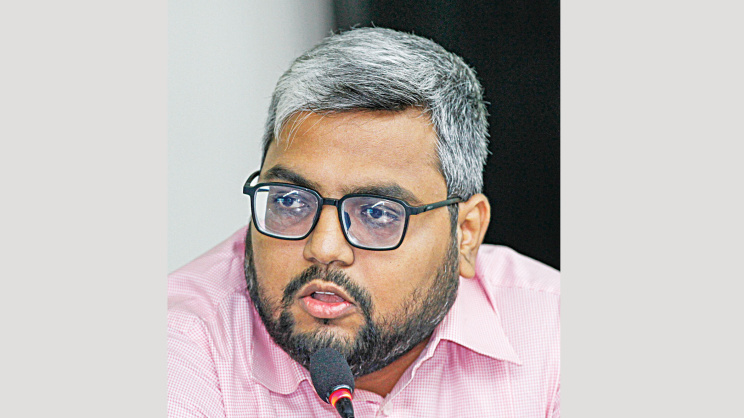
Robius Sany
National Logistics Manager
Unilever Bangladesh
Linking enforcement with driver welfare, digitisation and the widespread adoption of telematics are indispensable for enhancing road discipline. AI-driven traffic citations have already demonstrated success in improving driver behaviour within urban signals, yet this must expand to include third-party transport agencies through genuine adoption. Companies hold a significant responsibility to monitor GPS data and verify driver credentials to ensure safety standards are met consistently. Beyond enforcement, addressing the welfare of drivers is crucial for reducing road risks. A severe shortage of skilled drivers is compounded by poor working conditions and a lack of dedicated resting facilities along national highways. Drivers often operate under extreme fatigue due to inadequate sleep, necessitating the establishment of designated parking areas and rest centres. Ensuring that drivers are physically fit and well-rested allows for greater attentiveness and better reaction times. Integrating technological monitoring with improved facilities and timely licensing will create a safer environment, encouraging professional growth.

Mohammad Shabbir Hasan Khan
Project Director
Bangladesh Road Safety Project
Operating on the ground, the Bangladesh Road Safety Project adopts the Safe System Approach to meet international targets through a multi-sectoral initiative. Key implementations include civil safety interventions on 650 kilometres of high-risk highways based on iRAP star ratings, focusing on pedestrians and motorcyclists. To address the critical driver shortage, 60,000 professional drivers are undergoing comprehensive training that incorporates road safety education and gender sensitisation. Furthermore, a corridor-based ambulance service is being launched on a 500-kilometre pilot stretch, placing paramedics every ten kilometres to ensure rapid response during the golden hour. The project also integrates AI-based enforcement systems and the development of a national crash database to provide transparent, real-time data for all stakeholders. Coordination between the Roads and Highways Department, BRTA, police, and health services is essential to halving road fatalities by 2030. These initiatives signify a shift from theoretical discussion to a coordinated national effort to implement modern safety standards across the country.
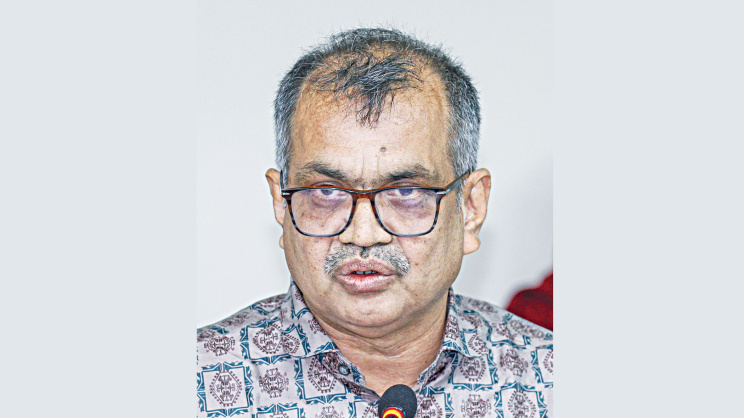
Dr. Salim Mahmud Chowdhury
Deputy Executive Director
Centre for Injury Prevention and Research
Complementing the call for integrated platforms, the chronic discrepancies between official police records and global estimates reveal a critical gap in data management. While current records focus on the-spot fatalities, approximately 67 per cent of victims perish during transit to healthcare facilities, often remaining uncounted in official tallies. Adopting a broader definition of road traffic fatalities, aligned with World Health Organisation standards, is therefore essential for accurate assessment and policy planning. The lack of a robust pre-hospital system necessitates the urgent development of emergency trauma care capable of providing definitive treatment within the “golden hour.” Moving forward, an interoperable data system must be established to enable real-time information sharing between the BRTA, the police, and health services. Periodic national surveys are required to validate this data and establish a realistic burden of injury. Furthermore, a Good Samaritan Law is imperative to encourage bystander intervention without fear of legal complications, thereby improving survival rates.

Mohammad Shahidullah
Director - Engineering
Bangladesh Road Transport Authority
 For all latest news, follow The Daily Star's Google News channel.
 From a regulatory perspective, bridging the gap between fragmented data sources requires a single platform for accurate accident recording and subsequent analysis. The licensing system has recently been simplified, allowing drivers to upgrade from light to heavy vehicle licences over a reduced timeframe to address the current shortage. However, the profession lacks the social recognition and facilities necessary to attract educated candidates, often leading to a reliance on inadequately trained personnel. To improve standards, the establishment of high-quality, accredited training institutes is essential, as government capacity alone is insufficient for a nation with nearly 70 lakh licensed vehicles. While refresher courses are mandatory for renewals, deep-seated behavioural issues and health constraints remain significant challenges. Furthermore, highway police require enhanced connectivity with local hospitals to improve post-crash response times. Collaboration with the private sector is welcomed to expand training infrastructure and integrate data from various stakeholders to produce accurate, national statistics for policy action.
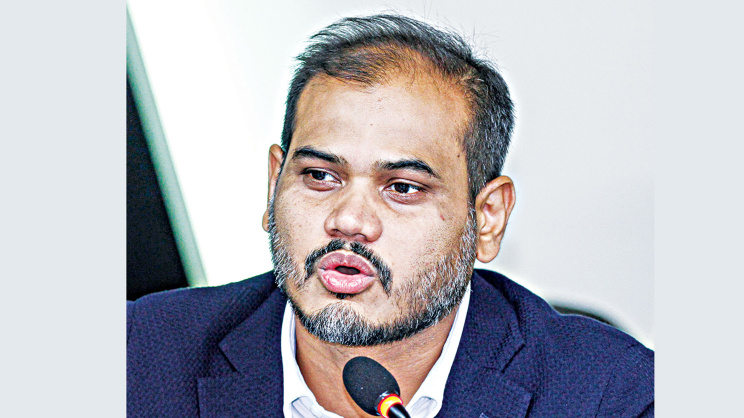
Hasnain Ishtiaq
Head of Leaf Operations
British American Tobacco
In tandem with data-driven reforms, a proactive shift is required from analysing post-accident figures to capturing leading indicators, such as near-misses and unsafe driving behaviours. The accident pyramid suggests that behind every fatality lie numerous minor incidents and thousands of unsafe actions that often go unrecorded. Utilising telematics technology allows for the real-time monitoring of harsh braking, speeding, and aggressive acceleration. Such data enables managers to provide targeted coaching and disciplinary measures, significantly reducing the risk of catastrophic collisions before they occur. Beyond individual behaviour, comprehensive data analysis identifies high-risk routes, accident-prone hotspots, and peak risk hours associated with driver fatigue. Industry collaboration remains essential to consolidate these diverse data platforms into a single, accessible resource for shared learning across sectors. While technology serves as a vital aid to enforcement, it must be integrated with sound infrastructure and professional driver standards to ensure transparency and accountability within national road safety operations.

Saiful Alam
Secretary General
Bangladesh Road Transport Owners’ Association
Reflecting the concerns of vehicle operators, a severe deficit of approximately 3 lakh trained drivers relative to registered vehicles underscores the urgent need for streamlined licensing processes. While statutory bodies collect data, a more coordinated approach between the police, hospitals, and the BRTA is required to maintain accurate and automated fatality statistics. Ensuring the physical and mental fitness of drivers through regular health check-ups remains paramount, as demonstrated by previous eye examinations that identified vision impairments in thousands of personnel. Infrastructure issues, such as narrow feeder roads merging into highways without safe exit points, contribute significantly to crash frequency. Post-crash financial assistance for victims, currently managed through the BRTA Trustee Board, requires further enhancement to support the bereaved and disabled effectively. Ultimately, the removal of unauthorised and unregistered vehicles from the road is a non-negotiable step toward reducing casualties. It is essential that recommendations from these dialogues are presented to the government for immediate field implementation.
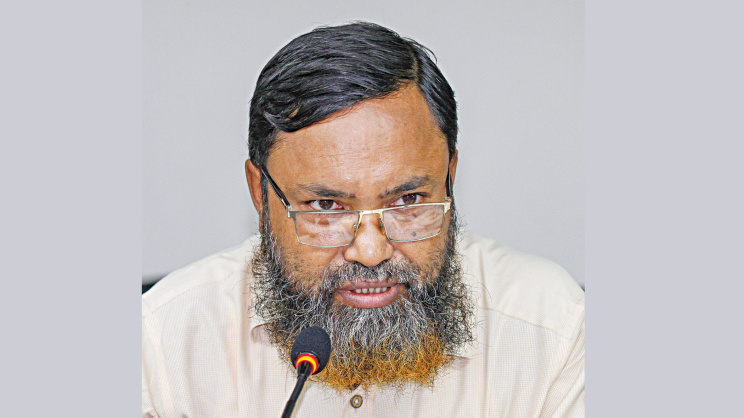
Mojammel Huq Chowdhury
Secretary General
Passengers’ Welfare Association
Legal weaknesses and loopholes remain the primary issue behind road accidents. Even after the implementation of the newest law on road safety, little difference is visible between the past and present conditions. Strict observation from various stakeholders has revealed severe lack of experience in the regulation and oversight of this sector. In terms of crash data collection, Jatri Kalyan Samity and other organisations rely on secondary sources for the collection, which fails to capture every key information, and without such information, road accidents often fail to receive its due coverage. The government must be provided with accurate data that reflects the true picture of accidents, enabling proper planning and appropriate funding allocation. Post-pandemic scene has revealed an increased surge of battery-run autorickshaws with minimal to no safety measures installed in such vehicles, leading to countless crashes with very little repercussions.
A visionary and coordinated approach, backed by timely action and stronger accountability, is essential to move beyond bureaucratic barriers and build a safer, more responsible road transport system for all.
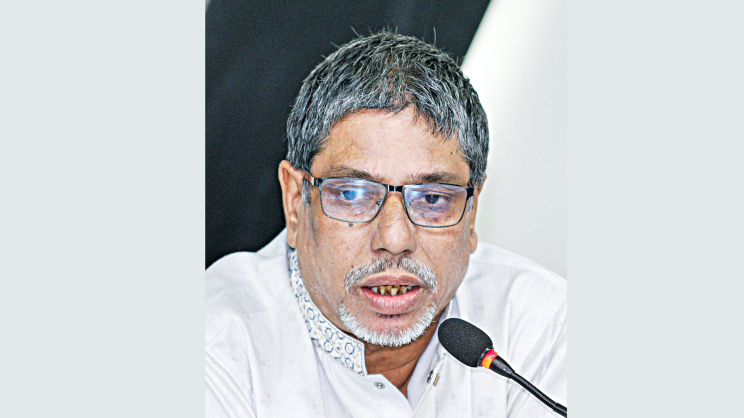
Liton Arshad
Secretary General
Nirapad Sarak Chai
Data management is a crucial aspect of road accident analysis and post-crash response. Relying on secondary data or police-verified data solely often does not paint the entire picture, which is why it is an utmost important demand that the government and relevant authorities establish an integrated data management system to unify sparsely collected crash data and utilise it for analysis, research and most importantly ensure proper justice to the potential victims of such crashes. Another important demand from Nirapad Sarak Chai is the prompt removal of unfit and unregistered vehicles without any bureaucratic delay. Lastly, roads can only be considered safer, if the ones behind the wheels receive proper training. In this regard, ever since the SAVE project which provided training to 1,460 driving instructors, there has barely been any further training. Without licensed and trained instructors, the expectation from drivers to uphold the standards of safe driving is a far-fetched idea.

Abdullah Mostofa
Country SHE Manager
Unilever Bangladesh
Expanding on the theme of driver professionalism, ensuring safety across the logistics value chain requires mandatory licensing and defensive driving training for all personnel. However, a severe shortage of heavy vehicle drivers, exacerbated by a complex and lengthy licensing process, continues to hinder compliance and operational efficiency. The lack of accredited training organisations nationwide increases costs and delays essential capability building for third-party transporters. To bridge this gap, comprehensive platforms must integrate leading indicators with lagging indicators like hotspot data and accident history. Route risk assessments are vital for identifying hazards, including sharp bends and fatigue-prone stretches, allowing for the implementation of preventative control measures. On the road, practical challenges such as mob attacks and the absence of co-drivers complicate post-accident responses. The introduction of in-vehicle panic buttons and the enhancement of emergency hotlines are necessary to improve ground support. Furthermore, thorough investigations in remote areas are essential to derive corrective measures for future prevention.

Tanjim Ferdous (Moderator of the Session)
Head of Strategic Partnerships
The Daily Star
Road safety is a multifaceted national challenge requiring a pivot from problem discussion towards collective, multi-stakeholder action. By fostering partnerships between government bodies, the private sector, and civil society, this call to action aims to bridge existing gaps in data, driver professionalisation, and post-crash response. Every road crash carries a devastating human and economic cost, necessitating a shared responsibility framework where institutional capabilities are connected more effectively. The focus remains on establishing a defined first step toward a safer transport ecosystem, ensuring that road safety is prioritised as a national economic and social imperative.
This roundtable was moderated by Tanjim Ferdous, Head of Strategic Partnerships, The Daily Star.
Comments