


Middle East tensions boil
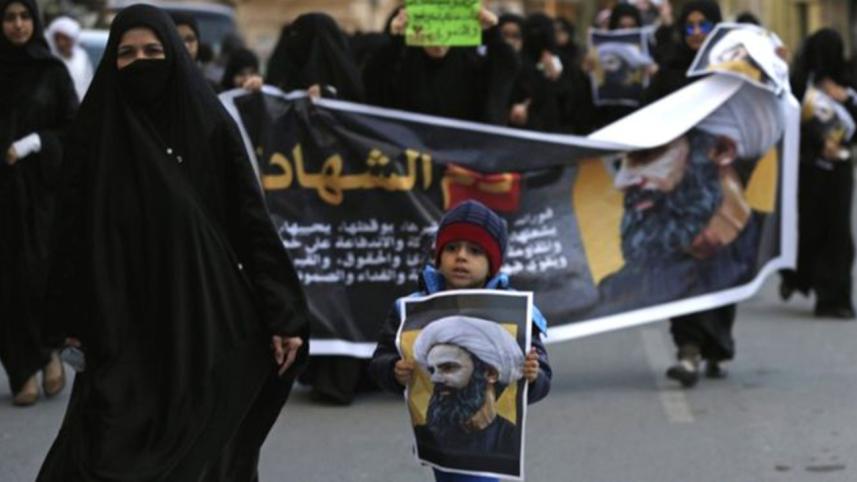
Saudi Arabia's Sunni allies rallied behind the kingdom yesterday and several joined Riyadh in severing or downgrading diplomatic relations with Tehran, deepening a sectarian split across the Middle East.
Bahrain and Sudan cut all ties with Iran, and the United Arab Emirates (UAE), home to hundreds of thousands of Iranians, downgraded its relations. Saudi Arabia broke off relations on Sunday after a mob stormed its embassy in Tehran.

Saudi Foreign Minister Adel al-Jubeir said trade links with Iran would be cut and air traffic links stopped, reports BBC.
But in an interview with Reuters news agency, Jubeir said Iranian pilgrims travelling to holy sites in Mecca and Medina would still be allowed to enter.
Shia power Iran accused Saudi Arabia of using the attack on the embassy as an "excuse" to sever ties and further increase sectarian tensions, after Shias across the world denounced Saudi Arabia's execution of Shia cleric Nimr al-Nimr.
A man was shot dead in Saudi Arabia's Eastern Province late on Sunday, and two Sunni mosques in Iraq's Shia-majority Hilla province were bombed in the fallout from the dispute between the Middle East's top Sunni and Shia powers.
Oil prices rose more than two percent, overcoming economic weakness in Asia, as the two big petroleum exporters traded insults and tensions spilled into other crude producers such as Iraq.
Crude importer China declared itself "highly concerned" with the developments, in a rare foray into Middle East diplomacy.
"Like the international community, China is highly concerned about the developments and expresses concern that the relevant event may intensify conflict in the region," Chinese Foreign Ministry spokeswoman Hua Chunying told a regular news briefing, referring to the escalation in tension.
The United States and Germany called for restraint, while Russia offered to mediate an end to the dispute.
The row threatened to derail efforts to end Syria's five-year-old civil war, where Saudi Arabia and other Gulf Arab powers support rebel groups against Iran-backed President Bashar al-Assad.
In neighbouring Lebanon, newspapers said the spat had clouded the hopes of filling the vacant presidency that had been raised last month after Iran and Saudi Arabia both voiced support for a power-sharing deal.
DIVINE REVENGE
After a furious response in Shia communities worldwide to the Sunni kingdom's execution of Shia Muslim cleric Nimr al-Nimr, Saudi Foreign Minister Adel al-Jubeir said Iran was creating "terrorist cells" among the kingdom's Shia minority.
Saudi Arabia executed Nimr and three other Shias on terrorism charges on Saturday, alongside dozens of Sunni jihadists. Shia Iran hailed him as a "martyr" and warned Saudi Arabia's ruling Al Saud family of "divine revenge".
Shia groups united in condemnation of Saudi Arabia while Sunni powers rallied behind the kingdom, hardening a sectarian split that has torn apart communities across the Middle East and nourished the jihadist ideology of Islamic State.
 For all latest news, follow The Daily Star's Google News channel.
Comments