


UN, US call for credible probe
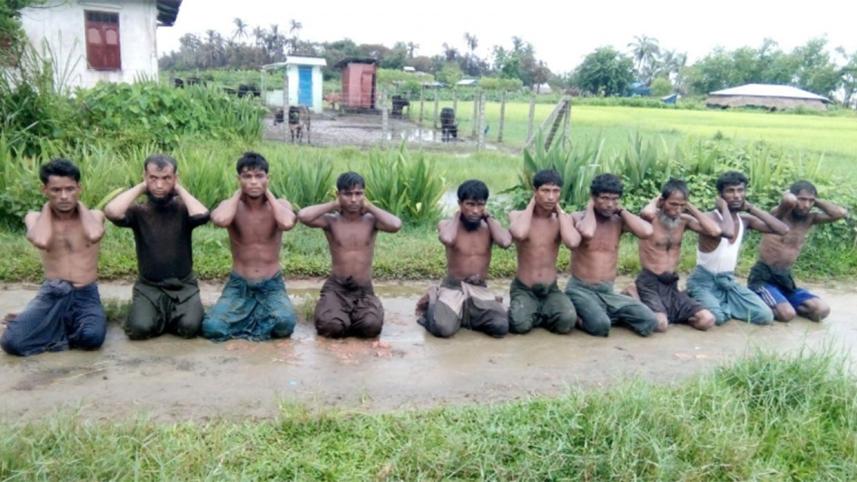
A Reuters investigation into the killing of Rohingya Muslims in Myanmar prompted a demand from UN and Washington for a credible probe into the bloodshed there and calls for the release of two journalists who were arrested while working on the report.
The special report, published overnight, lays out events leading up to the killing of 10 Rohingya men from Inn Din village in Rakhine state who were buried in a mass grave after being hacked to death or shot by Buddhist neighbours and soldiers.

The United Nations on Friday described the details of the Reuters report as "alarming" and said that it showed the need for a "full and thorough investigation" into the violence in Rakhine state.
"We're aware of this latest report, the details of which are very alarming. This once more attests to the need for a full and thorough investigation by the authorities of all violence in Rakhine State and attacks on the various communities there," UN spokesman Farhan Haq told reporters.
UN Secretary-General Antonio Guterres has called for the release of the two detained journalists and continues to press for that, Haq said.
The Myanmar mission to the United Nations was not immediately available for comment.
"As with other, previous reports of mass graves, this report highlights the ongoing and urgent need for Burmese authorities to cooperate with an independent, credible investigation into allegations of atrocities in northern Rakhine," US State Department spokeswoman Heather Nauert said.
"Such an investigation would help provide a more comprehensive picture of what happened, clarify the identities of the victims, identify those responsible for human rights abuses and violations, and advance efforts for justice and accountability," she said.
The Reuters report drew on interviews with Buddhists who confessed to torching Rohingya homes, burying bodies and killing Muslims in what they said was a frenzy of violence triggered when Rohingya insurgents attacked security posts last August.
The account marked the first time soldiers and paramilitary police have been implicated by testimony from security personnel in arson and killings in the north of Rakhine state that the United Nations has said may amount to genocide.
In the story, Myanmar said its "clearance operation" is a legitimate response to attacks by insurgents.
Asked about the evidence Reuters had uncovered about the massacre, Myanmar government spokesman Zaw Htay said on Thursday, before publication of the report: "We are not denying the allegations about violations of human rights. And we are not giving blanket denials."
If there was "strong and reliable primary evidence" of abuses, the government would investigate, he said.
There was no comment from the government following the publication of the report.
Nearly 690,000 Rohingya have fled their villages and crossed the border of western Myanmar into Bangladesh since August.
Human Rights Watch said Myanmar's military leaders should be held accountable in an international court for alleged crimes against the Rohingya population.
"As more evidence comes out about the pre-planning and intent of the Myanmar armed forces to wipe out Rohingya villages and their inhabitants, the international community ... needs to focus on how to hold the country's military leaders accountable," said HRW's deputy Asia director Phil Robertson.
Campaign group Fortify Rights also called for an independent investigation.
United Nations' Special Rapporteur on freedom of opinion and expression, David Kaye, said in a tweet: "During the reporting of this article, two Reuters journalists were arrested by Myanmar police. They remain held & must absolutely be released."
Yanghee Lee, the UN human rights investigator for Myanmar who has been barred from visiting the Rohingya areas, echoed that call and added in a tweet: "Independent & credible investigation needed to get to the bottom of the Inn Din massacre."
 For all latest news, follow The Daily Star's Google News channel.
 Police arrested two Reuters reporters, Wa Lone and Kyaw Soe Oo, on Dec 12 for allegedly obtaining confidential documents relating to Rakhine and have accused them of violating Myanmar's Official Secrets Act. They are in prison while a court decides if they should be charged under the colonial-era act.
Comments