


Can the right video game help tackle loneliness? The answer may surprise you.
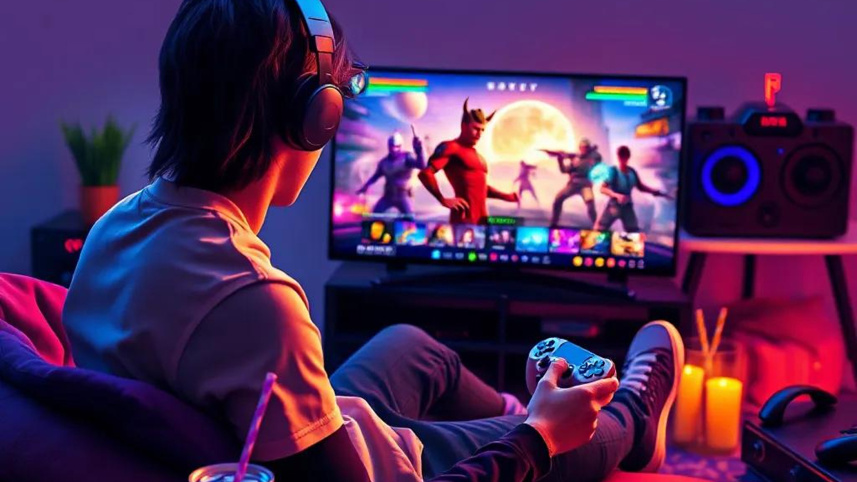
Video games have long been blamed for keeping people indoors, but new research suggests the right kind of game could actually become part of the solution to severe social isolation. Rather than encouraging withdrawal, carefully designed games may help people reconnect with others and gradually rebuild confidence.
Researchers surveyed 529 adults in Japan who regularly play video games to understand what people at greater risk of long-term social withdrawal enjoy most in gaming. Surprisingly, they found that favourite game genres were largely similar regardless of a person’s level of isolation. The difference lay in how people preferred to play and what they hoped to gain from the experience.

Those who were more socially withdrawn showed a stronger preference for story-rich adventures, thoughtful strategy, and games that encourage teamwork rather than competition. Many also reported unpleasant experiences with hostile online players, making them more likely to favour supportive, cooperative play instead of confrontational matches. The findings suggest that games with engaging stories, memorable characters, simple controls and shorter playing sessions may offer a more welcoming space. Players also appreciated relaxing tasks, a sense of gradual progress and the freedom to play at their own pace. These features may provide comfort without adding pressure, while encouraging small but meaningful social interactions.
Researchers also recommend limiting toxic behaviour in online communities and rewarding kindness and cooperation. Some games that encourage players to explore their neighbourhoods could even motivate people to spend more time outdoors and meet others naturally.
The authors stress that games are not a replacement for professional support. Excessive gaming can create its own problems. Instead, they believe thoughtfully designed games could become a gentle stepping stone, helping isolated people regain confidence, form positive connections and, eventually, re-engage with the world beyond the screen.
 For all latest news, follow The Daily Star's Google News channel.
Comments