


A clearer vision for Bangladesh: One million cataract surgeries and eye care for all

Bangladesh’s eye-care challenge extends far beyond hospital corridors. A 2020 national survey found refractive errors in 48.6 per cent of people surveyed, excluding presbyopia, yet spectacle coverage was only 26 per cent. For many families, something as treatable as poor eyesight still disrupts education, income and independent living. Cataracts, uncorrected refractive errors and diabetic eye disease add to the pressure on a health system where specialist services are unevenly distributed.
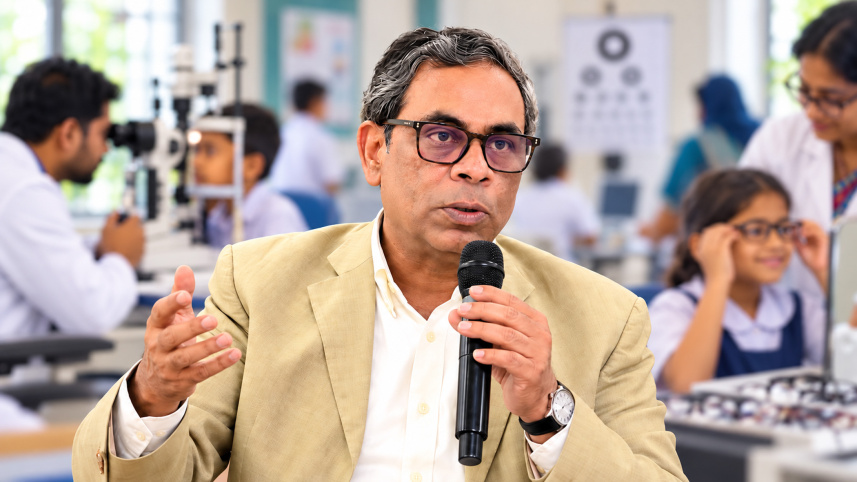
Against this backdrop, Dr M A Muhit, Minister of State for Health and Family Welfare, is positioning eye health as a public health priority. His vision, set out most recently at a World Sight Day discussion in Dhaka on 8 October, centres on taking affordable services closer to communities, rather than expecting patients to travel long distances for treatment.

At the centre is a proposed $130 million government investment over the next five years. Muhit says the money will support training for ophthalmologists, better infrastructure and expansion of treatment facilities, including district and remote services. The plan is ambitious: one million free cataract operations, distribution of 10 million spectacles and access to primary eye care for approximately 20 million people nationwide.
His emphasis on cataract surgery reflects the devastating yet often reversible loss of sight caused by untreated cataracts. The distribution of spectacles addresses a different, equally important problem: children struggling to see classroom boards, and adults whose uncorrected vision limits their work. Schoolchildren are explicitly included, with plans for vision screening, spectacles and other necessary eye-care services.
However, the minister’s priorities extend beyond a headline target. He has repeatedly highlighted the need for a coordinated national approach in which public hospitals, specialist institutions, professional bodies, non-governmental organisations (NGOs) and development partners work together. At the launch of the WHO SPECS 2030 initiative in August, he warned against leaving eye care as disconnected activities and called for integrated provision, including cataract and diabetic retinopathy services.
In practical terms, that means building capacity outside major cities and creating pathways from early screening to specialist intervention. He has also proposed dedicated outpatient, inpatient and operating theatre services at planned 151-bed upazila hospitals, a step intended to reduce the need for patients to travel to major cities.
It also means treating corrective lenses as an essential intervention, not a luxury. Bangladesh’s participation in SPECS 2030 links its domestic ambitions with the global goal of increasing effective refractive-error coverage by 40 percentage points by 2030.
Yet implementation will be the decisive test. Recruiting and retaining trained eye-care professionals, ensuring reliable surgical quality, maintaining equipment and reaching underserved populations will require sustained financing and transparent monitoring. Numbers of operations and spectacles supplied matter, but improved vision and equitable access will be the more meaningful measures.
With the World Sight Day commitments, Muhit has outlined a potentially transformative agenda. Whether it changes the everyday experience of someone waiting for cataract surgery or a child unable to read the classroom board will depend on how quickly these promises become services within reach.
E-mail: tareq.salahuddin@thedailystar.net
 For all latest news, follow The Daily Star's Google News channel.
Comments