


Paying for someone else’s cigarette!
A cigarette may cost only a few taka at the corner shop, but its real bill can stretch far beyond the smoker’s pocket. It appears in hospital wards, family budgets, workplaces, homes and even the air breathed by people who have never smoked.
Worldwide, smoking kills more than eight million people each year. Yet death is only the most visible part of the burden. Tobacco costs the global economy more than US$1.4 trillion annually through healthcare spending and lost work. Bangladesh offers a stark example: the attached analysis cites a 2026 estimate putting the country’s economic and environmental tobacco losses at Tk87,000 crore in 2024–25; more than twice the government’s tobacco tax earnings.

That imbalance raises an uncomfortable question: who actually pays for smoking? When tobacco-related illness sends someone to a public hospital, part of the cost falls on the health system and ultimately the public. Employers also lose working days and productivity. Families may face treatment bills while losing income when illness keeps a breadwinner away from work.
The cost can reach people even more directly. Smoke does not remain politely beside the person holding the cigarette. It enters rooms, corridors and neighbouring spaces. Children are particularly vulnerable. Exposure at home has been linked with breathing problems, ear infections and other illnesses. Smoke can also leave harmful residue on curtains, carpets, furniture and car seats long after the cigarette has been put out.
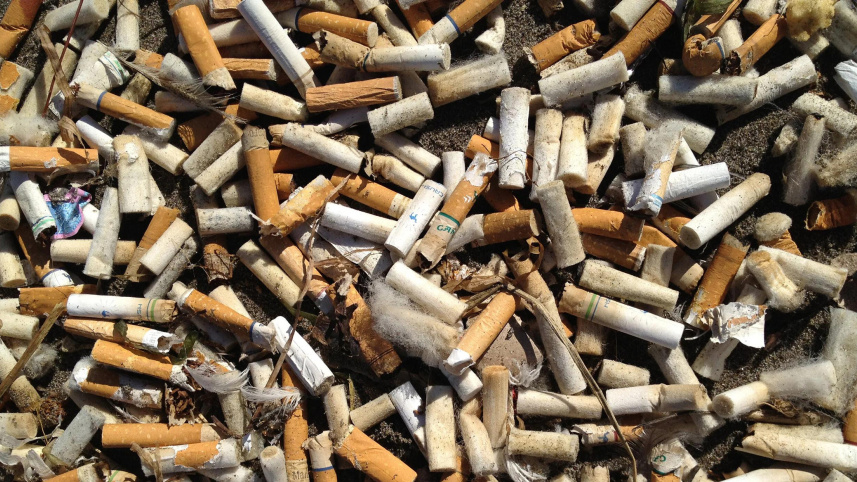
Then comes the environmental trail. Discarded cigarette ends are among the world’s most common forms of litter, while tobacco growing and processing consume natural resources and add to pollution. Smoking-related fires can bring another devastating bill through injury, property loss and emergency services.
This is why tobacco cannot be viewed only as a matter of personal choice. A choice becomes a public concern when its consequences are routinely handed to children, neighbours, colleagues, taxpayers and future generations.
The response does not have to begin with punishment. Higher tobacco taxes can help prices better reflect the wider damage. Stronger smoke-free rules can protect shared spaces, while accessible support can make quitting easier. Employers and health services can also treat stopping smoking as an investment rather than an afterthought.
The cigarette may belong to one person. The bill, however, rarely does. Until that hidden cost is recognised, non-smokers will continue paying for smoke they never chose. And those costs quietly compete with money needed for healthier lives.
Uttam Kumar Dey is a medical professional based in Bangladesh who holds an MBA in Business Administration from Fitchburg State University.
Ujjal Kumar Dey is an A-Level student based in Dhaka interested in public health and economic policy.
 For all latest news, follow The Daily Star's Google News channel.
Comments