


Pregnancy after 35: balancing choice, hope and reality
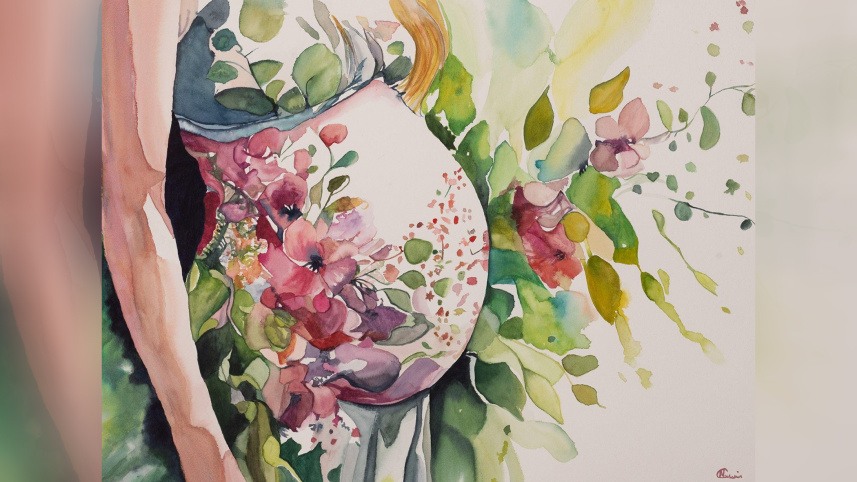
When Oscar-winning actress Anne Hathaway announced her third pregnancy at 43, the news travelled far beyond celebrity headlines. For many women, it reflected a growing reality: motherhood is increasingly happening later in life. Whether driven by careers, education, financial stability or personal choice, more women are waiting longer before starting a family. Yet delaying pregnancy brings both opportunities and challenges.
Pregnancy after 35 does not automatically mean something will go wrong. Many women have healthy pregnancies and healthy babies. However, research consistently shows that the chances of complications gradually increase with age. The likelihood of miscarriage becomes higher, particularly during the early months. Women over 40 are also more likely to experience high blood sugar during pregnancy, raised blood pressure, early delivery and the need for a caesarean birth.

Experts believe these risks partly arise because the body may not adjust to pregnancy as efficiently with age. Dur-ing pregnancy, the heart and blood vessels work harder to support both mother and baby. When these changes are less effective, the baby may receive less nourishment, affecting growth. In some cases, the placenta may sep-arate too early, creating a serious emergency. The chance of babies being born with certain genetic conditions also rises as maternal age increases.
The story is equally relevant for Bangladesh. For decades, the country’s biggest concern was early marriage and teenage pregnancy. Today, social change is creating a different picture. More women are pursuing higher educa-tion, building careers and gaining financial independence before choosing motherhood. Studies using national sur-vey data show that educated women and those living in cities are more likely to delay their first pregnancy.
This shift should not be viewed with fear or judgement. Instead, it highlights the need for better reproductive healthcare throughout a woman’s life. Every pregnancy deserves timely check-ups, skilled care and access to relia-ble information, regardless of age or income.
Anne Hathaway’s journey also reminds us that pregnancy is deeply personal. She has previously spoken openly about experiencing miscarriage, reflecting a struggle shared by countless women worldwide. Behind every late pregnancy is a unique story of hope, loss, resilience or careful planning. Rather than focusing only on age, conver-sations should centre on informed choices, supportive healthcare and ensuring every mother has the best possible chance of a safe pregnancy and a healthy baby. Supporting informed choices, regular antenatal care, emotional wellbeing and equitable services can help mothers and babies thrive together.
Fahima Hossain Muna is a health advocate and the founder of Antioxidant Pathways, a health-focused initiative.
E-mail: fahimahossainmuna16@gmail.com
 For all latest news, follow The Daily Star's Google News channel.
Comments