


Can too much AC make you sick? What you should know
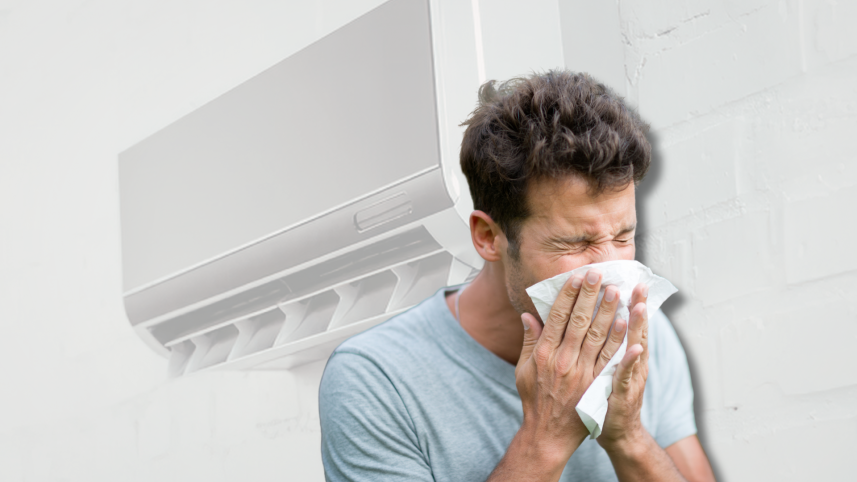
In Bangladesh, air conditioning often feels less like a luxury and more like survival. During extreme heat, it can make homes, offices, and classrooms bearable. But spending long hours in air-conditioned spaces can also create a different set of problems. The issue is not that AC is harmful by itself. The issue is how it changes the air around us and how we use it.
The comfort is real, but so is the dryness
Air conditioners cool rooms by removing heat and moisture from the air. That is exactly why they feel effective in humid weather. But when the air becomes too dry, the body notices. Low humidity can irritate the eyes, dry out the nose and throat, and make skin feel tight, itchy, or rough. The same dry air can also worsen conditions like eczema, allergies, and sinus irritation.

This is why some people who spend hours in AC rooms complain of burning eyes, scratchy throats, or skin irritation, even when they are technically “comfortable.”
Headaches are not always about stress
Another common complaint linked to long AC exposure is headache. Part of that may come from dehydration. People often drink less water in cooler rooms because they do not feel sweaty or thirsty, but the body can still lose fluid. Dehydration itself is a well-established cause of headache, fatigue, and dizziness. Dry indoor air can make that worse.
That means the office headache or late-night heaviness you blame on work might sometimes be tied to cold, dry indoor air and not enough water.
Breathing can get harder indoors
For people with asthma, sinus issues, or other respiratory sensitivities, AC can be tricky. Dry air can irritate the airways and make breathing feel more difficult. If filters are dirty or maintenance is poor, air-conditioning systems may also circulate dust, allergens, or mould-related irritants. Low humidity itself can trigger sore throat, cough, and sinus discomfort.
So, the problem is not simply “cold air.” It is the combination of dryness, poor ventilation, and indoor air quality.
The jump between temperatures also matters
One of the most uncomfortable parts of AC use in Bangladesh is the constant shift between outdoor heat and heavily cooled indoor spaces. When the temperature difference is too extreme, the body has to keep adjusting. That can leave people feeling sluggish or drained, especially if they move in and out repeatedly throughout the day. Heat-related illness is still a risk outdoors, but overcooling indoors does not help the body adapt smoothly either.
Use AC like a tool, not a trap
The practical solution is moderation. Keep the room cool, not freezing. Drink water even if you do not feel thirsty. Use moisturiser if your skin is drying out, and artificial tears if your eyes feel irritated. Clean filters regularly and allow some fresh air circulation when possible. If indoor air feels too dry, adding controlled humidity may help, though too much moisture can encourage mould and worsen allergies.
Air conditioning is useful, especially in intense heat. But when used without attention to hydration, humidity, and maintenance, it can quietly make the body feel worse. The goal is not to avoid AC. It is to use it in a way that cools the room without drying out everything else.
 For all latest news, follow The Daily Star's Google News channel.
Comments