


How to get enough Vitamin D without ruining your skin
Soaking up natural sunlight doesn't mean risking skin damage or spending hours outdoors. Exposing just 20 per cent of your skin between 10 AM and 3 PM for 15 to 30 minutes gives your body the exact boost it needs to absorb calcium and protect your bones.
Bangladesh is blessed with abundant sunshine. Yet vitamin D deficiency is an important nutritional concern. Vitamin D is essential for calcium absorption, bone mineralisation, muscle function and skeletal health. Severe deficiency can cause rickets in children and osteomalacia in adults.

A review of studies conducted in Bangladesh between 2002 and 2022 found a substantial burden of vitamin D deficiency, particularly among women, pregnant women and older adults.
Why deficiency in a country full of sunshine?
The answer lies in the difference between sunlight availability and meaningful sunlight exposure. Urbanisation and modern lifestyles have reduced outdoor activity. Many people spend most of their day indoors. Women who spend limited time outdoors may be particularly vulnerable.
Sociocultural clothing styles that cover most of the skin reduce the area available for vitamin D production. Sunscreen, cosmetics and skin pigmentation also play a role. People with darker skin generally require greater ultraviolet-B exposure to produce the same amount of vitamin D as people with lighter skin. Older adults have a reduced capacity to synthesise vitamin D through the skin, while obesity and limited physical activity may also contribute.
What does vitamin D deficiency do?
The strongest evidence relates to bone and muscle health. In children, severe deficiency can impair bone mineralisation and cause nutritional rickets. In adults, prolonged severe deficiency can result in osteomalacia, bone pain and muscle weakness. Adequate vitamin D should therefore be viewed as one component of broader bone health, alongside calcium, protein and physical activity.
Low vitamin D levels have also been associated with obesity, diabetes, cardiovascular disease, autoimmune disorders and infections. However, an association does not necessarily mean supplementation prevents or treats these diseases. Vitamin D is an essential nutrient, not a universal cure.

Who needs particular attention?
Some people deserve closer nutritional and clinical attention, including:
• Pregnant and breastfeeding women
• Infants, children and adolescents with limited outdoor exposure or inadequate dietary intake
• Older adults
• People who spend very little time outdoors
• Individuals with obesity
• People with disorders or medications affecting vitamin D metabolism
Assessment should be based on individual risk rather than indiscriminate testing.
Food first—but food alone may not always be enough
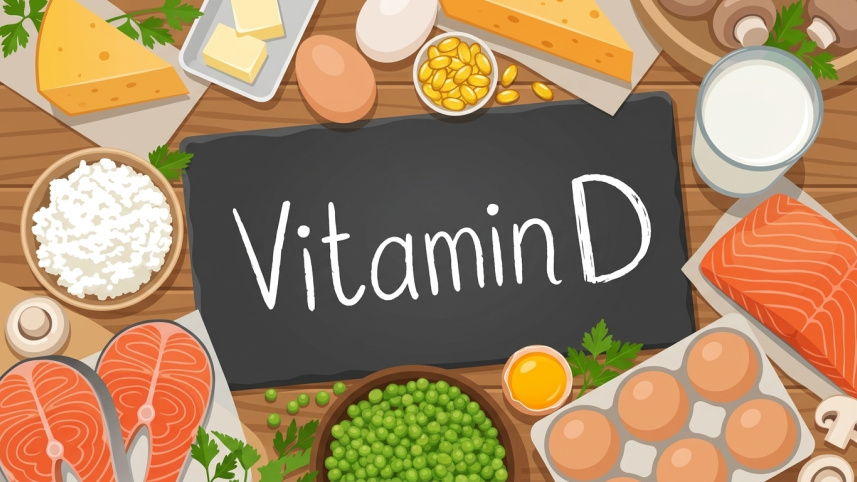
Naturally occurring dietary sources of vitamin D are relatively limited. Fatty sea fish such as hilsa and rupchanda are good sources. Egg yolk, liver and meat provide smaller amounts, while fortified foods can contribute where available. Improving access to appropriately fortified foods could be an important public-health strategy.
Sensible sunlight has a role
Regular outdoor activity can contribute to vitamin D production and offers additional health benefits. However, there is no universal amount of sun exposure that guarantees adequate vitamin D. Production depends on skin pigmentation, age, season, time of day, clothing, exposed skin area and air pollution.
There is a thumb rule that the best time to get natural vitamin D from sunlight in Bangladesh is between 10am and 3pm, when UVB rays are strongest. Exposing at least 20 per cent of the body for 15 to 30 minutes is generally enough, although needs vary by skin tone.
Therefore, “more sun” is not necessarily the answer. Sensible exposure should be balanced with protection from excessive ultraviolet radiation and skin damage.
Should everyone take vitamin D supplements?
Not necessarily. Supplementation can be useful when deficiency is diagnosed or an individual has a recognised indication. Taking large doses without medical or nutritional guidance is not harmless.
Vitamin D is fat-soluble, and excessive intake can lead to toxicity and hypercalcaemia, with potentially serious complications.
The 2024 Endocrine Society clinical practice guideline does not recommend routine vitamin D testing or supplementation above the recommended dietary intake for generally healthy adults under 75 without specific indications. Certain groups may benefit from supplementation according to age and clinical circumstances.
What Bangladesh needs
Vitamin D deficiency is not simply a problem to be solved by prescribing tablets. A sustainable solution requires sunlight, a healthy diet, physical activity, appropriate fortification, targeted supplementation and evidence-based clinical care.
The bottom line
Bangladesh may have abundant sunshine, but sunshine alone does not guarantee adequate vitamin D. The better approach is to spend sensible time outdoors, eat a balanced diet, remain physically active, identify those at risk and use supplements when clinically appropriate.
 For all latest news, follow The Daily Star's Google News channel.
The author is Chief Clinical Dietitian and HOD, Dietetics and Nutrition Department, Continental Hospital PLC
Comments