


How to make your balcony bird-friendly this summer
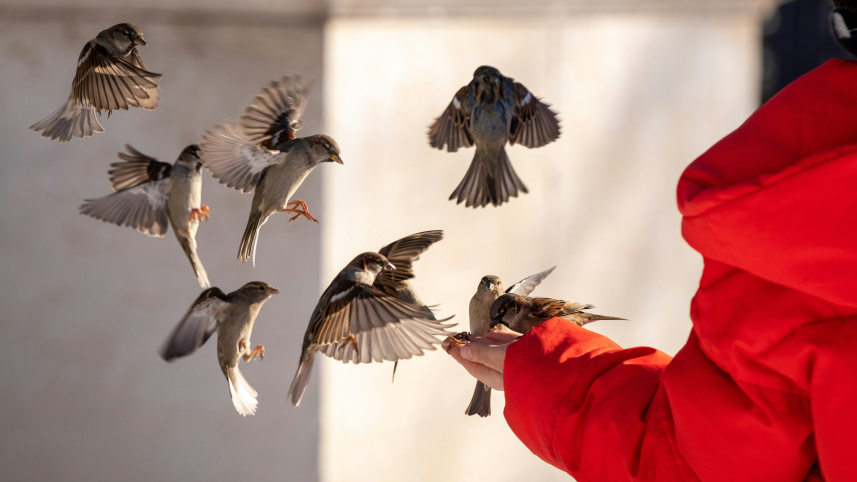
While Dhaka’s pet scene has grown in recent years, people who truly love and care for animals also ensure their kindness caters to the numerous strays of our city. Among such stray animals are most often cats and dogs; but have we perhaps forgotten about our little, feathered, air-bound friends?
Flapping their small wings across the crowded skyline of our city and chirping their way through town since the wake of dawn, the variety of wild birds that grace our windows and balconies with their presence are a crucial part of our city’s remaining ecosystem.

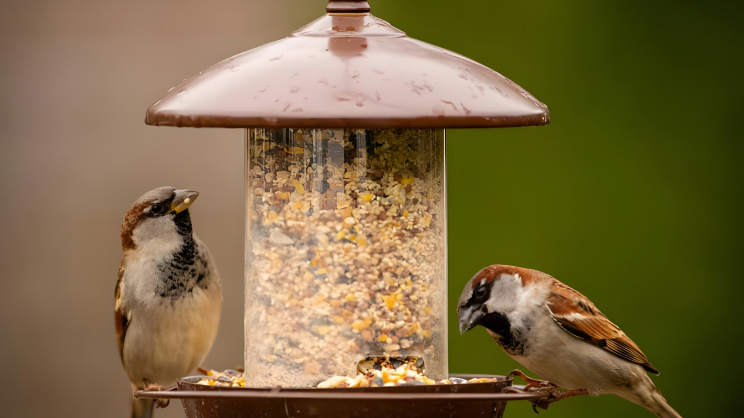
People who have open windows or large balconies and rooftops can easily leave food and water for such birds. Keeping the food or water in an open container and hanging it from the window or balcony rails is a common way of feeding the stray birds.
Birds usually have very high senses and are easily alarmed by strangers, so they won’t veer close to any food source that is too close to people or predatory animals like cats. An ideal bird feeder or bird bath would be one which is exposed enough for them to locate while flying and sheltered enough for them to feel safe.
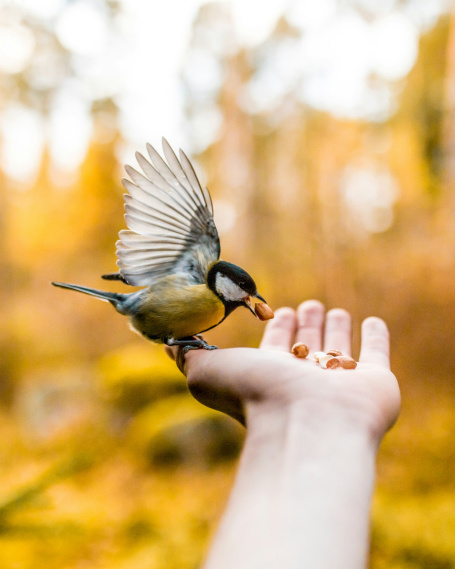
However, different birds have different food preferences, so if you are wondering why they aren’t feeding from your offerings, the menu might require a change. While certain birds prefer small insects and mealworms, many of them are also drawn to seeds and fruits, especially around autumn.
Seeds such as sunflower seeds or pumpkin seeds are a part of their regular diet. These seeds usually attract sparrows, munias, doves and pigeons. Pigeons and doves also like to eat raw grains like corn and wheat.
Birds that usually consume nectar or wild berries are very drawn to fruits. Small portions of fruits such as guava, papaya and jamun (local blackberry) can fit into their diet. Bulbuls, black hooded orioles and green parrots are usually attracted to such fruits and berries.
While most households in summer have access to these items to share with birds, for those who may not, at the very least they can share fresh leftovers of their own food. Leftovers of our daily food, be it meat, fish or even cooked rice, are consumed by many common birds such as house sparrows, while the mighty crows of Dhaka have been infamous for cleaning up all kinds of leftovers. But any leftovers being offered to birds must be fresh and not spoiled or overly stale.
Aside from food, fresh water is often scarce in the city during summer and is vital for the songbirds. Water can be easily kept in small pots or cups and hung from the windows or balcony rails, but it is often harder to get the birds to notice water from a distance. If possible, small fountains, taps, or anything that causes sounds or ripples in the water, can be placed near the water source to help birds locate it.
It is true that such wild birds, due to being born and brought-up in the wild, are capable of locating their own food. But as construction and “beautification” projects expand, trees and natural habitats are gradually reducing in the city. Making it harder for the local as well as migratory foreign birds to find food and water.
For instance, crows used to dominate the corners of our city; they were famed for their intelligence and clean-up process while their cries were so loud, they were impossible to miss. But today, they have slowly reduced in numbers and are barely seen as often. The decline in population of such wild birds can be slow and hard to catch, but once they are gone, it is a major loss for our ecosystem.
 For all latest news, follow The Daily Star's Google News channel.
Comments