


India doubles down on coal usage
India is planning to reopen more than 100 coal mines previously considered financially unsustainable, a government official said yesterday, as a power crisis forces the world's third-biggest greenhouse gas emitter to double down on the dirty fuel.
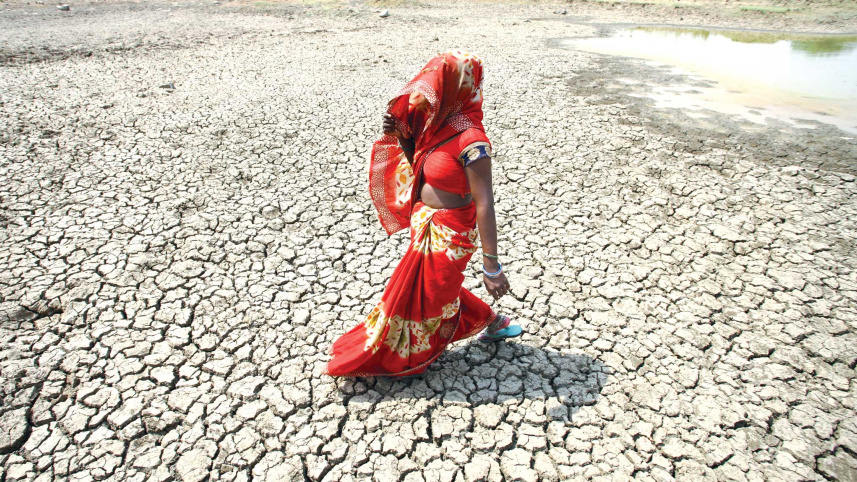
The country's electricity demand touched a record high in April as nearly three in four of India's 1.35 billion people endured the hottest pre-summer months in decades.

Surging use of air conditioning triggered the worst power crisis in more than six years last month, and though temperatures have eased in recent days, they are forecast to rocket again soon.
The world's second-largest producer, importer and consumer of coal after China now expects additional output of 75-100 million tonnes of the fuel in the next two-to-three years from the reopened mines, Jain said. India produced 777.2 million tonnes of the fuel in the year ended March 31 and burnt over a billion tonnes.
India's power minister last month asked states to continue importing coal for the next three years, citing domestic coal shortages and higher demand. His ministry has also evoked an emergency law in a bid to restart generation at some idle power plants meant to use imported coal and not operating because of financial reasons.
Meanwhile, some 80 percent of Indian states are prone to heatwaves and most have plans ready to alter office and school timings as well as working hours for labourers to avoid the hottest time of day when necessary, a government official told Reuters yesterday.
The National Disaster Management Authority (NDMA) has categorised 23 of India's 28 states and some 100 cities and districts as being at risk of suffering extreme heat. Nineteen states have already made their own heat-action plans and some others are working on them, said NDMA's policy and planning adviser, Kunal Satyarthi.
"There were only nine a few years back but currently 23 are recognised as heatwave-prone states," he said. "Cities have become heat islands, so a lot of them are drafting their own plans."
He said the plans include reducing people's exposure to heat, arranging drinking water in public places and other interventions.
The western state of Maharashtra has also planned to modify market hours, provide public shelters, sprinkle mist in public places and keep ice bags at public health centres, according to the NDMA website. Long-term measures include planting more trees, rainwater harvesting, providing shelter for traffic police and using green nets for shade in market areas, it adds.
 For all latest news, follow The Daily Star's Google News channel.
Comments