


Crackdown on teen gangs to go nationwide

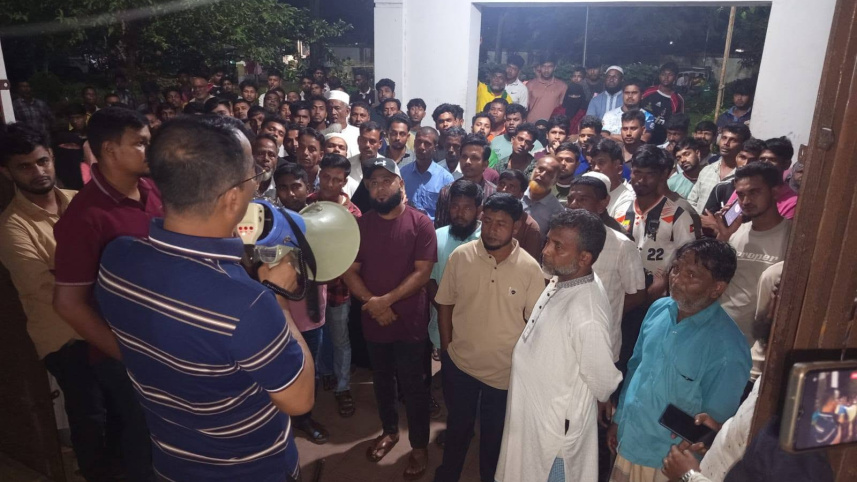
After a series of violent incidents heightened concerns over public safety, law enforcers are stepping up drives against teen gangs and other criminal networks. They are also targeting the influential people behind such groups.
The renewed push follows at least four attacks centring properties in Dhaka within two days and a meeting of top police officials on Tuesday where orders were issued for a crackdown.

Home Minister Salahuddin Ahmed yesterday said special drives against extortionists, terrorists, armed criminals, and drug dealers were already under way and would be intensified. He said police routinely maintain and update lists of such offenders, and arrests were taking place regularly.
Attacks, organised crime, and teen gang activities grabbed headlines this week.
Masked attackers demolished and looted the Radda MCH-FP Centre in Mirpur-1. Several hundred people allegedly stormed a plot at Chand Udyan in Mohammadpur. Armed men attacked a building in Shyamoli Housing in Adabor. A group of 200 to 250 people attacked the New Gini Properties housing project compound near ECB Chattar.
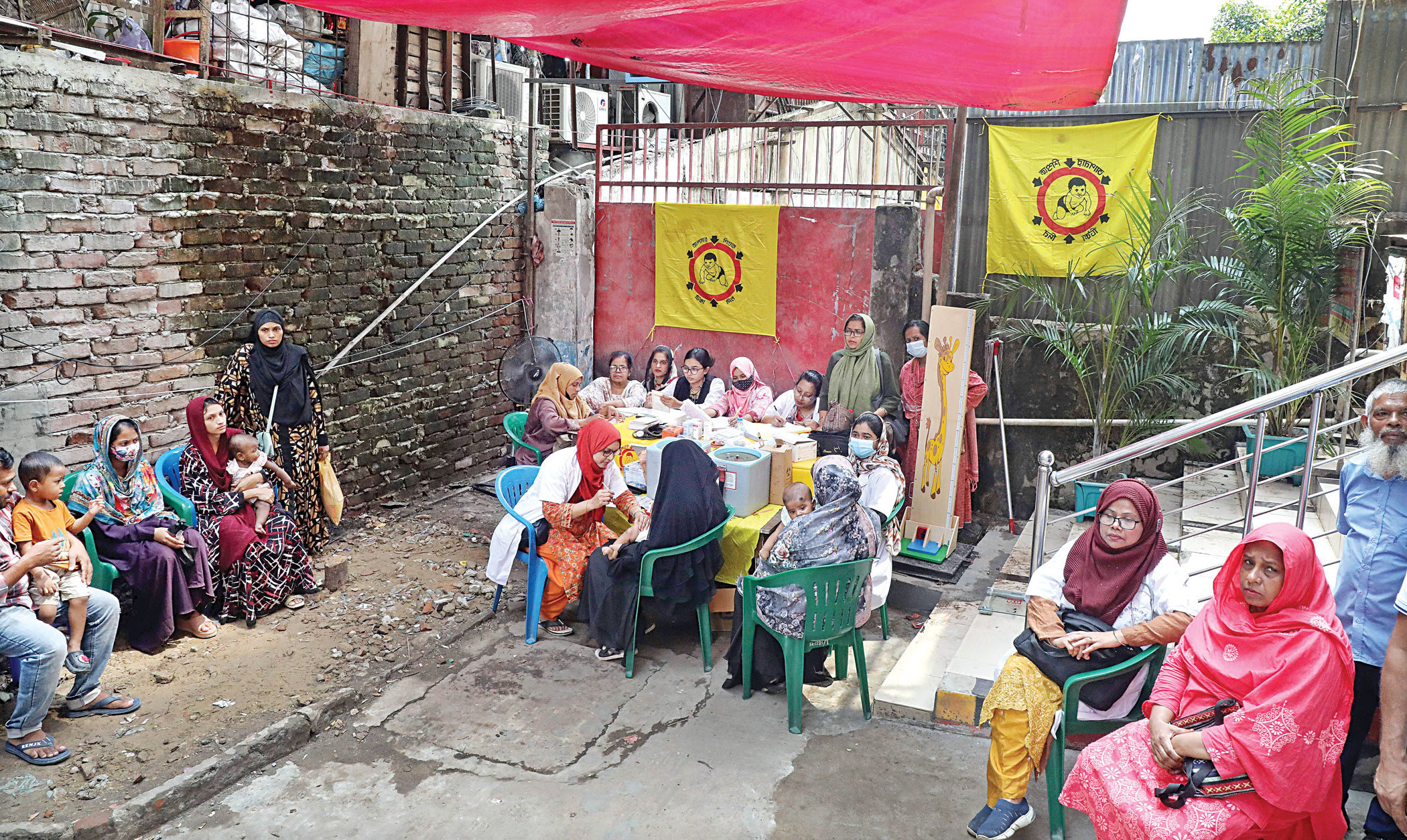
Police found juveniles among those involved in at least two of the incidents.
Police sources said dozens of the around 150 people involved in the hours-long attack on the Radda centre were juveniles, while teenagers were also among those involved in the Adabor attack.
In Cumilla, the killing of 13-year-old Ishiat Shahriar Oprotim on September 18 brought the issue into sharp focus and was followed by successive district-wide drives. Police said the prime suspect in the case was trying to form a teen gang.
In Chattogram on Tuesday night, a 16-year-old boy was killed in an attack by what police said was a rival teen gang.
Police and intelligence sources say the problem is no longer confined to loosely organised groups of adolescents. Some gangs are involved in extortion, drugs, and violence, while teenagers are also used for territorial control, as hired muscle and, in some cases, for land grabbing.
Adults have been found leading teenagers in some networks. An intelligence source told this newspaper that some groups had evolved from petty extortionists into extensions of the underworld.
At the monthly crime review meeting for August at Police Headquarters (PHQ) on Tuesday, Inspector General of Police Md Ali Hossain Fakir instructed officers from across the country to take legal action against juvenile offenders and bring drug dealers, terrorists, and extortionists strictly under the law.
There was no scope to consider political affiliation, he said, adding that an offender’s only identity was that of an offender.
PHQ Additional IG (Crime and Operations) Md Sayedur Rahman, who chaired the meeting, directed police to gather detailed information on teen gangs and their patrons.
He also called for the ongoing special drive against extortionists and other offenders to be stepped up.
PATRONS UNDER SCANNER
Police and experts say that the concern increasingly extends beyond the teenagers themselves.
At Tuesday’s meeting, Sayedur specifically instructed officers to identify whether influential individuals or groups were behind teen gangs.
Prof Omar Faruk, former chairman of the Department of Criminology and Police Science at Mawlana Bhashani Science and Technology University, said young people were once commonly involved in property crimes such as burglary but are now increasingly drawn into violent offences, partly because influential people use them to establish dominance.
 For all latest news, follow The Daily Star's Google News channel.
Arrests alone would not dismantle these gangs because those who organise, finance, or control them often remain beyond the reach of the law, Prof Faruk said.
Adults who use minors for crimes must be held accountable, alongside stronger intervention by families, educational institutions, and society, he added.
Towhidul Haque, associate professor at Dhaka University’s Institute of Social Welfare and Research, said disadvantaged teens were often drawn into gangs and different forms of crime.
Youth unemployment, declining interest in social and family discipline, attempts to establish dominance and control drug trade, and the interests of political or business patrons or “big brothers” were among the contributing factors, he said.
He said laws should retain provisions for correcting and rehabilitating juvenile offenders, while those benefiting from and patronising their crimes must also be brought under the law.
Broad social and cultural awareness was also necessary, he added.
MASS DETENTIONS
Police action against teen gangs has become evident over the last few days. Police in Cumilla, Chattogram, Chandpur, and Noakhali detained 1,310 people on suspicion of involvement in teen gang activities during drives on Monday. At least 730 of them were later handed over to their guardians.
In Cumilla alone, another 379 people were detained in the fourth phase of a district-wide drive on Tuesday. The first three phases saw 1,293 people detained.
Additional Superintendent of Cumilla Police Md Lutfur Rahman said the detainees were picked up from places where police had received complaints about troublemakers.
Police were screening them to determine whether they had been involved in criminal activities, and necessary legal action would be taken based on the findings, he said.
BEYOND NEIGHBOURHOOD TROUBLE
A recent high-level internal police committee identified juvenile gangs as a growing challenge for law enforcement in urban areas.
Its report found such groups involved in street violence, mugging, extortion, drug peddling, and cybercrime, and recommended identifying gang members and bringing them under rehabilitation programmes.
In Dhaka alone, police have identified 127 teen gangs or factions, DMP Commissioner Mosleh Uddin Ahmed said in May this year.
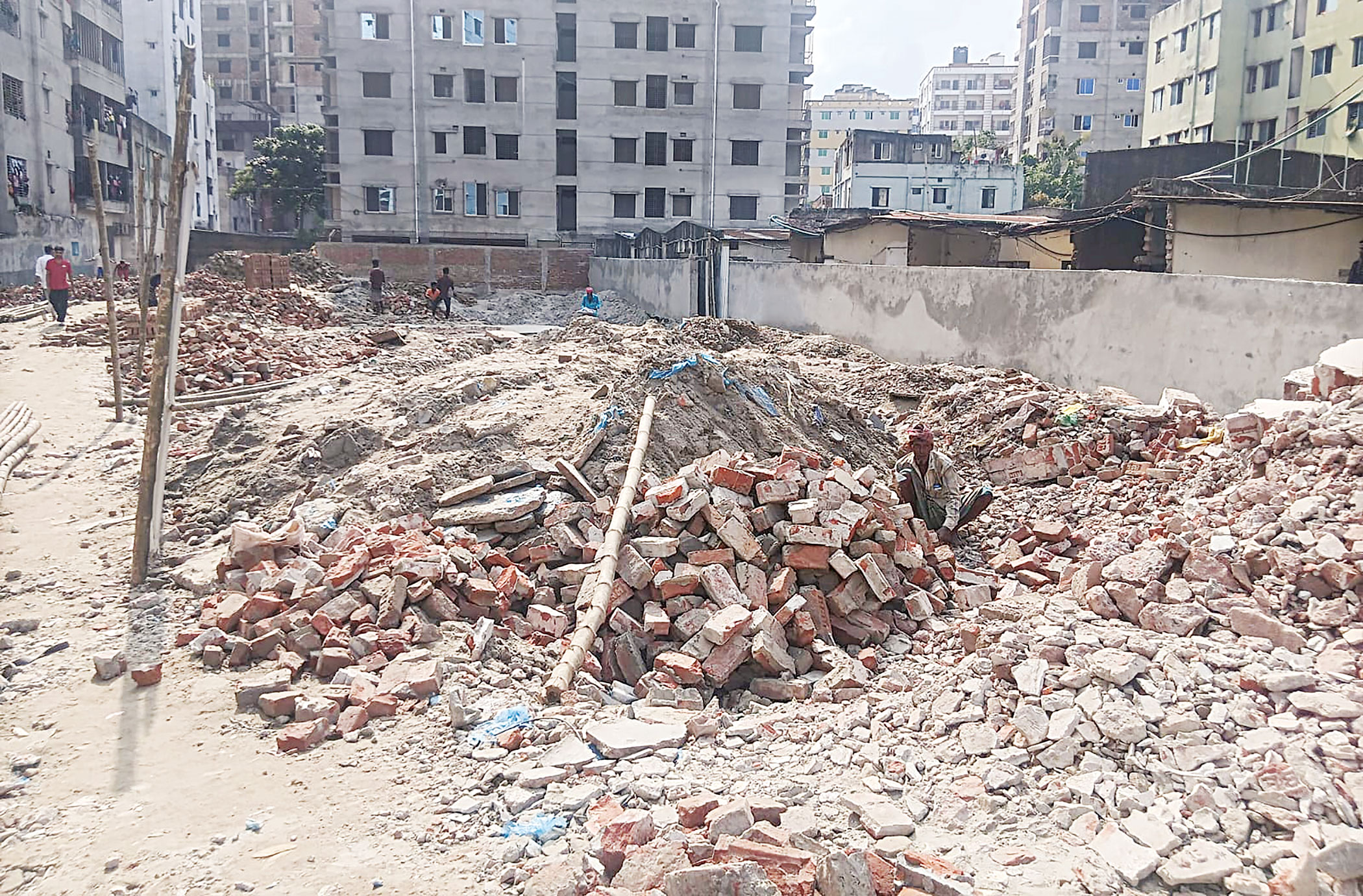
Police data from last year showed another 227 teen gangs active in metropolitan areas and districts outside the capital, nearly 100 of them in Chattogram division. Noakhali had the highest number at district level, with 25.
Requesting anonymity, a senior PHQ official said teen-gang activities increased after August 5, 2024.
PHQ has instructed field-level units to take necessary action against teen gangs, while the government is also emphasising sports and cultural activities to prevent teenagers from going astray, the official said.
But it must also be ensured that no one politically patronises teens or uses them for criminal activities, the official added.
Comments