


PM orders action to save Gulshan Lake from sewage
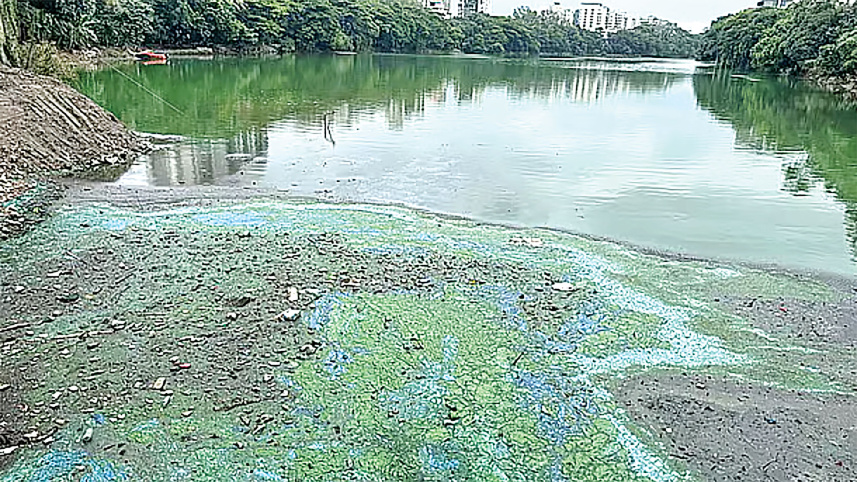
Twelve points through which sewage enters Gulshan Lake have been identified, with Prime Minister Tarique Rahman directing the authorities to take immediate measures to stop the flow of polluted water and sewage into the lake.
He also stressed installing building-based sewage treatment plants (STPs), surveying existing sewage networks and strengthening coordination among relevant agencies to prevent pollution of the Gulshan, Banani, Baridhara, Niketan and Dhanmondi lakes.

The directives came at a meeting chaired by the prime minister at the Secretariat yesterday, said a press release from the Prime Minister’s Office.
The meeting reviewed the condition of the lakes, sources of pollution, and ongoing renovation and development plans.
Officials said six primary and six secondary points had been identified as sources and channels through which sewage enters Gulshan Lake.
A technical committee formed to address the issue presented short, medium, and long-term recommendations to the prime minister.
The meeting focused on blocking sewage routes, installing building-based STPs and surveying the existing sewage network. It also discussed conditional sewage billing in the Gulshan-Banani areas and improving drainage by creating catchment areas.
Renovation and development plans for lakes in Gulshan, Banani, Baridhara and Niketan were also reviewed, along with Dhanmondi Lake’s renovation, sludge removal and a pilot project by Dhaka South City Corporation.
To make lake-cleaning activities more effective, the prime minister directed that the number of mechanical boats used to remove floating waste be increased from two to 10.
He also stressed removing accumulated sludge using floating excavators and continuing regular cleaning.
The meeting stressed installing STPs within the scheduled timeframe at applicable buildings under the Dhaka Metropolitan Building Rules, 2025.
It recommended that Dhaka Wasa and Dhaka North City Corporation jointly determine whether sewage lines from residential and commercial establishments are directly connected to rainwater drains or lakes and take steps to stop illegal connections.
The meeting also discussed installing aerators to increase oxygen levels, using biological and chemical methods to remove bad smells, and developing a long-term sanitation network.
Officials said five special teams comprising 42 personnel had been formed under Rajuk to ensure the conservation, cleanliness and overall maintenance of lakes under its jurisdiction.
Housing and Public Works Minister Zakaria Taher, State Minister for LGRD Mir Shahe Alam, DSCC Administrator Abdus Salam, DNCC Administrator Md Shafiqul Islam Khan and senior officials concerned were present.
 For all latest news, follow The Daily Star's Google News channel.
Comments