


To tackle measles, malnutrition should be prevented too
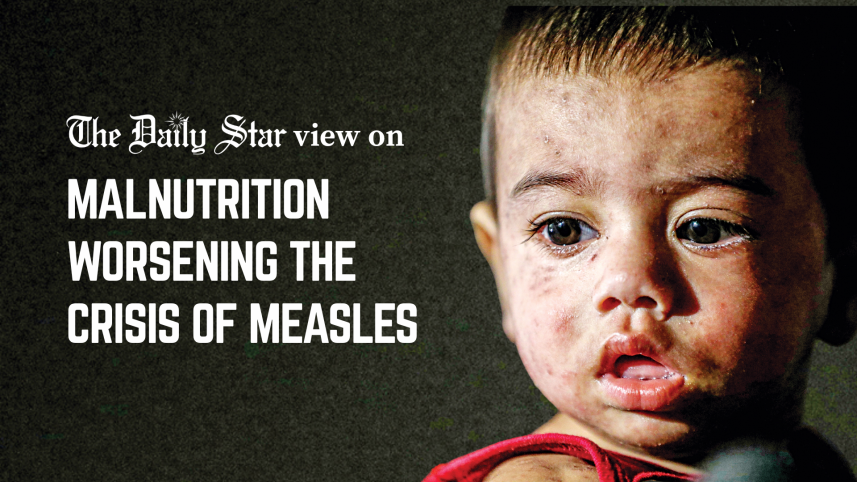
We are deeply concerned by the findings of a new study that revealed a strong link between measles and malnutrition. The study was conducted by Bangladesh Shishu Hospital and Institute and icddr,b, on 354 children under the age of 14 who sought treatment at Shishu Hospital between March and July this year. Researchers analysed the children’s demographic and medical information, tested their samples and conducted genetic analysis of pathogens, and found that 65 percent of children under five treated for measles were moderately to severely malnourished. Of the 308 children in this age group, 12 percent were severely malnourished and 53 percent moderately malnourished. The study also found worrying gaps in breastfeeding and vaccination.
While exclusive breastfeeding during the first six months is crucial for a child's nutrition and immunity, the study found that 38 percent of children had not been regularly breastfed during their first six months. Moreover, nine of the 11 children who died of measles had not been exclusively breastfed. A recent BBS survey has also found that 24 percent of children under five are moderately or severely stunted, with children from poor families more than twice as likely to be affected. Nearly two-thirds of children aged 6–23 months also do not get enough nutritious food. Poverty, poor feeding practices and maternal malnutrition are among the factors contributing to this chronic problem. The latest measles study is another warning that child malnutrition needs urgent attention.

The vaccination records of the children are equally concerning. Forty-three percent of the children studied were below the routine vaccination age of nine months, while 37 percent were old enough but had not received any measles vaccine. Fourteen percent had received one dose and only 6 percent had received both doses. Another worrying finding is that 21 children developed measles-like symptoms despite receiving two doses. However, we cannot draw any conclusion about vaccine effectiveness without further investigation into these cases.
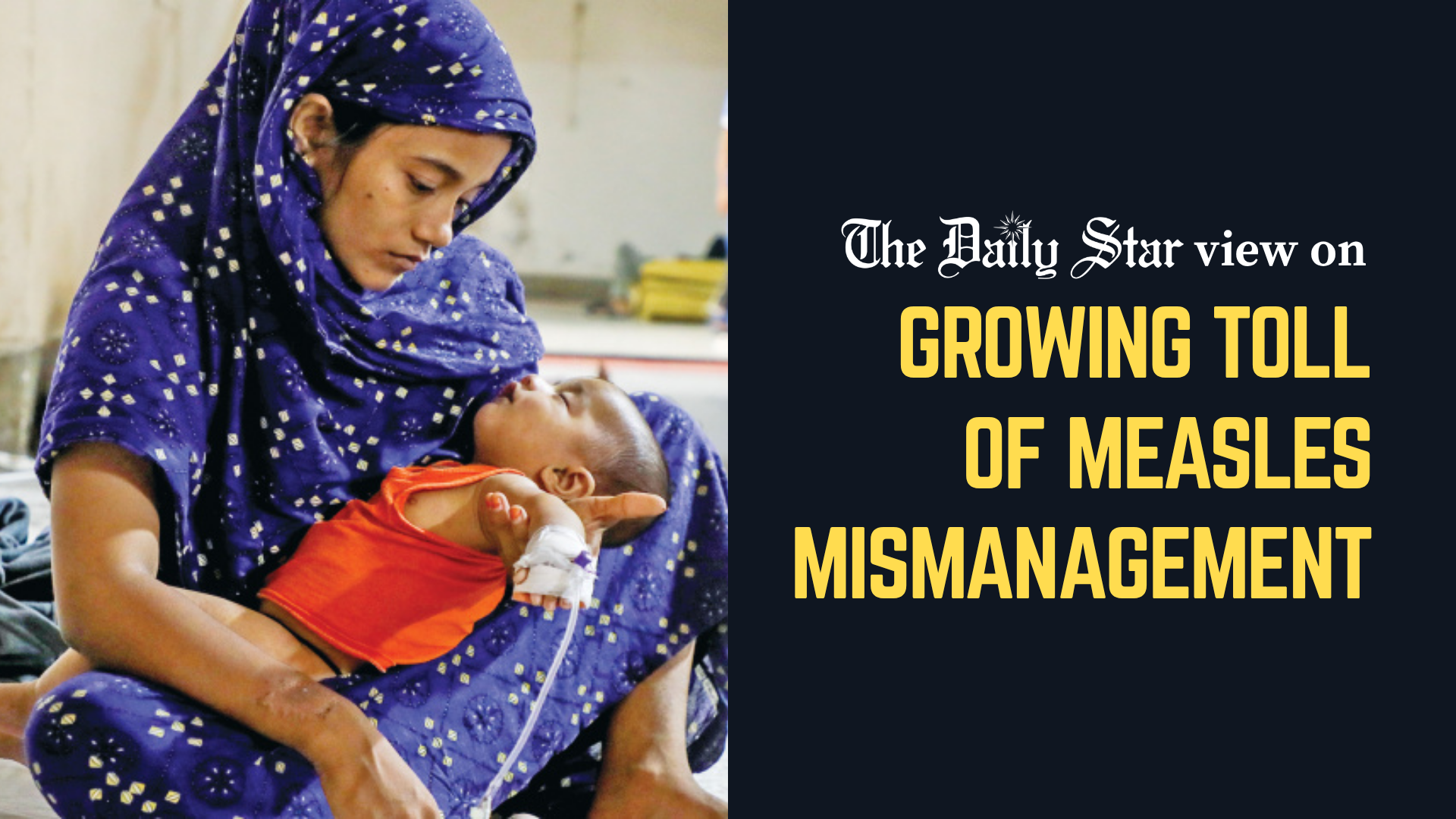
Measles and measles-like symptoms have already claimed more than 900 lives across the country, while around 1.64 lakh cases have been reported this year, compared with only 132 in 2025. The authorities must therefore give equal priority to vaccination and nutrition. They must urgently reach children who were missed during routine and emergency vaccination campaigns. Currently, only 25,000 of the 40,000 field-worker posts are filled. How can the government ensure adequate vaccination coverage while nearly 40 percent of these posts remain vacant? Filling these positions and strengthening the frontline health workforce must be an immediate priority for the health authorities. At the same time, the government must strengthen programmes supporting exclusive breastfeeding, maternal nutrition and early childhood nutrition, especially in vulnerable communities.
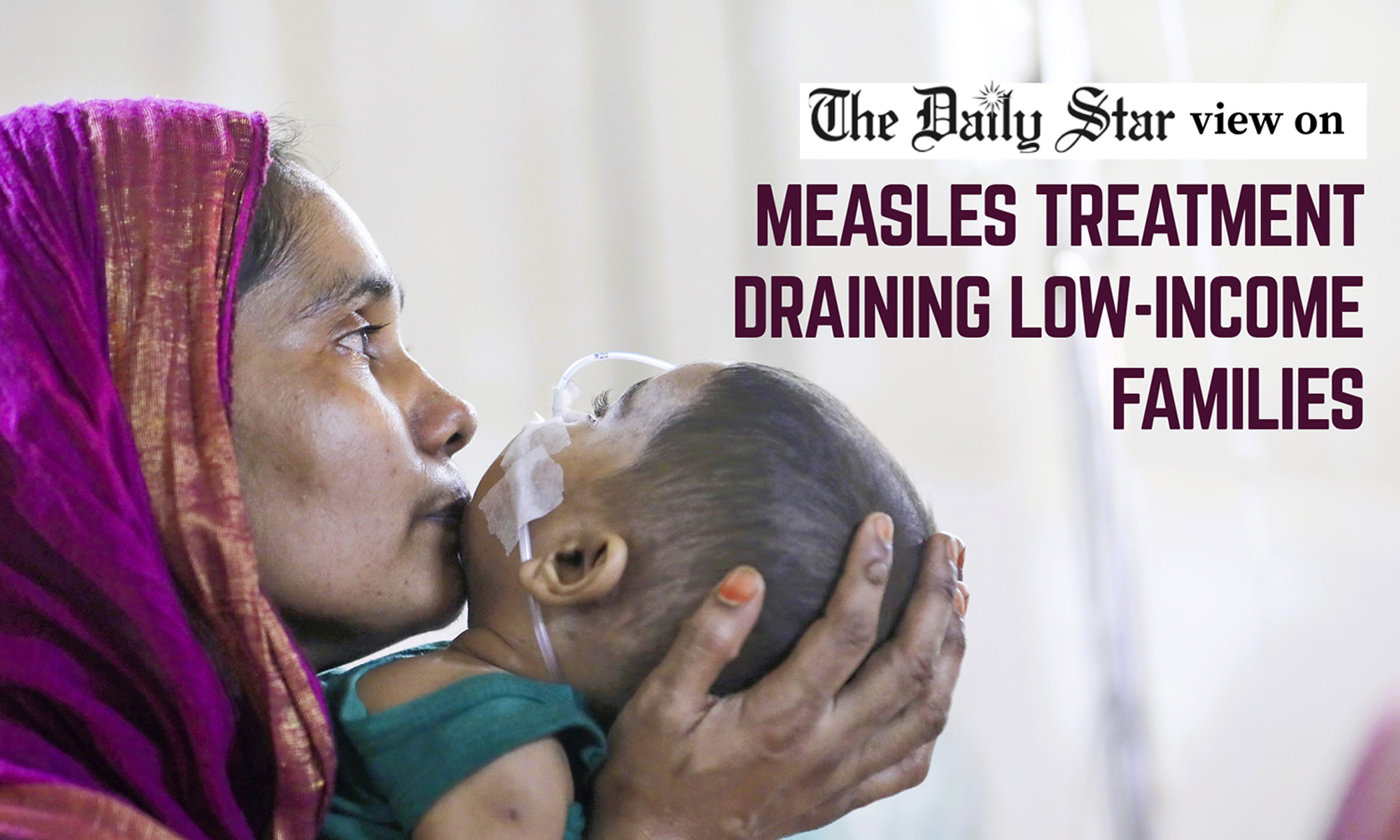
The findings of the latest study must be used to strengthen both immunisation and child nutrition programmes. Closing these gaps is essential to prevent more children from dying of this preventable disease.
 For all latest news, follow The Daily Star's Google News channel.
Comments