


The right to belong should not depend on moral policing


A sportsman sporting his shorts in the field is no news. But it becomes one when he is stopped at a metro station for his attire on his way to the field. A woman clad in a veil in a university classroom of a Muslim country is no news. But it becomes one when allegations are raised that a teacher asked her to change seats out of the supposed fear that she might be a terrorist. Three adult women travelling to Nepal with valid travel documents is not newsworthy. But it becomes one when they are barred from boarding the plane because they are not married. Three incidents involving public spots—a metro station, a classroom, an international airport—became newsworthy when public accessibility to physical space became socially conditional. Entry depends on looking respectable, harmless or appropriately modern. Ironically, this “normative” look depends on the observer or onlooker; their judgement about clothing carries the power to restrict another person’s movement, dignity or participation.

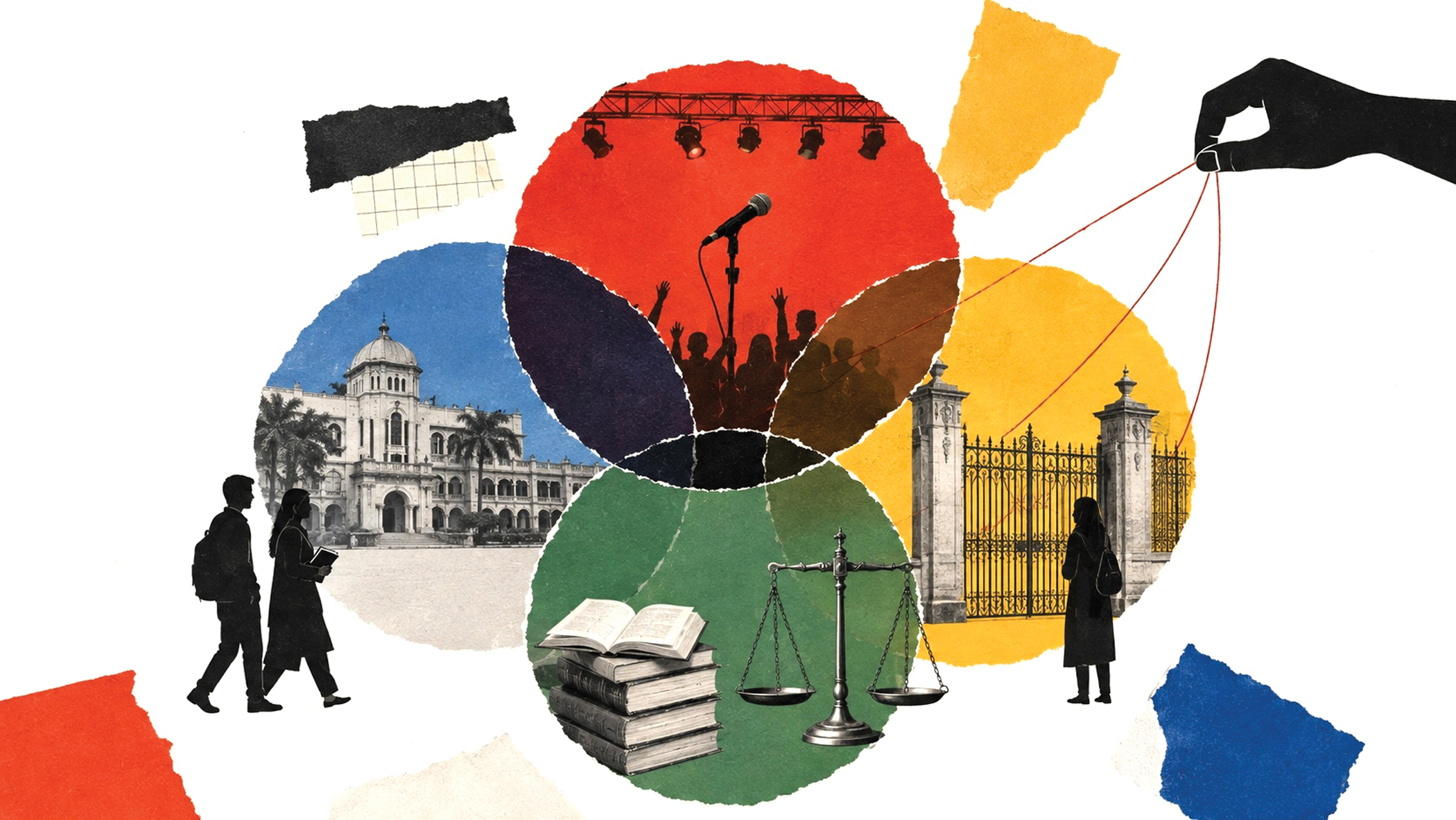
The idea of dressing for public participation to comply with institutional norms made me reflect on its complexities. A strictly religious family may demand wearing a hijab as a sign of modesty, and then the same conspicuous modesty may be treated as threatening in a different setting. The person has not changed. The attire has not changed. Simply by moving from one location to another, the interpretation of the dressed individual has changed. Individuals are within their rights to dress how they want. But such dressing is connected to practices, commitments and circumstances. We should not simply assume that freedom must take a particular visual form.
The allegations against the university teacher were raised by the students and were yet to be independently verified as of this writing. If found true, then the teacher’s suspicion is circumstantial without any immediate evidence. Amid protests, the academic responsibilities of the teacher concerned were withdrawn. Hopefully, she will get a chance to tell her side of the story to make us understand why the situation nearly paralysed DU’s English department.
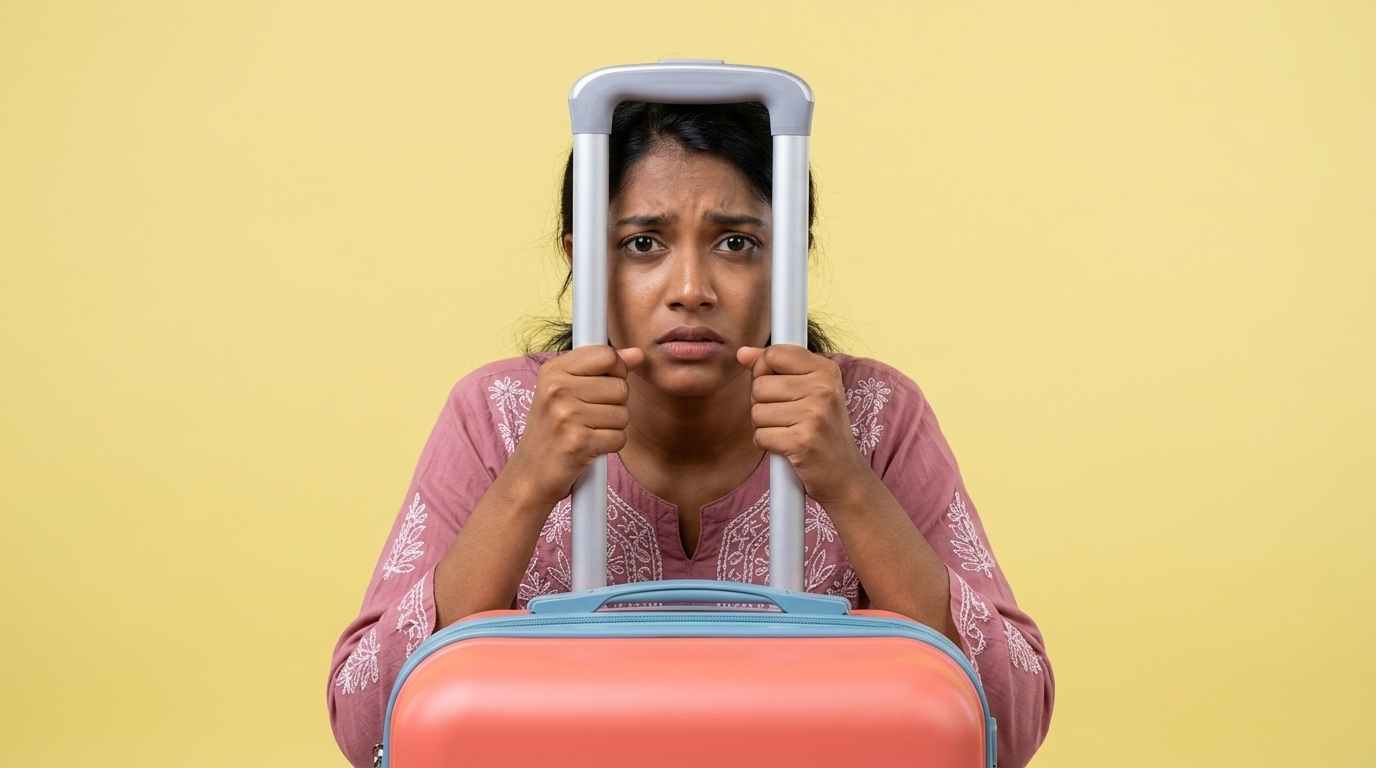
The metro station incident also sparked controversies. Many men boarded trains in shorts to protest the authority’s moral policing. But the height of such policing was evident when immigration officers questioned the clothing, finances and marital status of the Nepal-bound women. They contacted their parents and one woman’s university dean and prevented their departure. Their complaint has now become the subject of a High Court order. These incidents, albeit different in terms of setting and seriousness, invite an uncomfortable question: how does someone’s judgement about another person’s appearance become the authority to delay, exclude or humiliate them? I wish I had a reliable sartorial solution. Why should an individual’s choice of outfits have to conform to the expectations of others?
I have talked to many students about their clothing choices. The reality is far from what it seems. Female students don’t always wear hijabs out of religious convictions. In some cases, they may wear them to protect themselves from the male gaze. Some women may wear hijabs to avoid receiving judgemental looks. Some may not have adequate changes of clothes or may feel pressured to look a certain way. Donning the veil might be a way, for some, to hide all these concerns.

Here, the question is about belonging. Public space is shaped by expectations about who belongs there, for what purpose, and under whose supervision. A public space may be open to all, but its gatekeepers may make some visitors feel unwelcome. A student wearing a veil may feel her attire is the only reason her parents will allow her to pursue higher education. Another woman can pursue the same mission while choosing to wear something completely different. We need to respect the choices of both these women. Clothes should not necessarily be the ready-made marker of respectability. The situation becomes more nuanced when a woman engages in leisure activities outside of work or education. Work or study may supply an explanation that leisure apparently cannot. We have seen several instances of harassment women were subjected to because they were “guilty” of wearing Western clothes. Why should women have to explain what they wear in a city they inhabit?
One of the women who were barred from travelling to Nepal was reportedly asked how she could travel abroad when her father was a farmer. If true, that remark would reveal an assumption about who is entitled to aspiration. Some travellers are recognised immediately as tourists; others must explain how they acquired the means to become one. Is it acceptable for an “upper-class” woman to participate in a beauty pageant, while a farmer’s daughter is deemed unacceptable for merely visiting a foreign country? The male athlete’s experience reminds us that men’s bodies are also regulated.
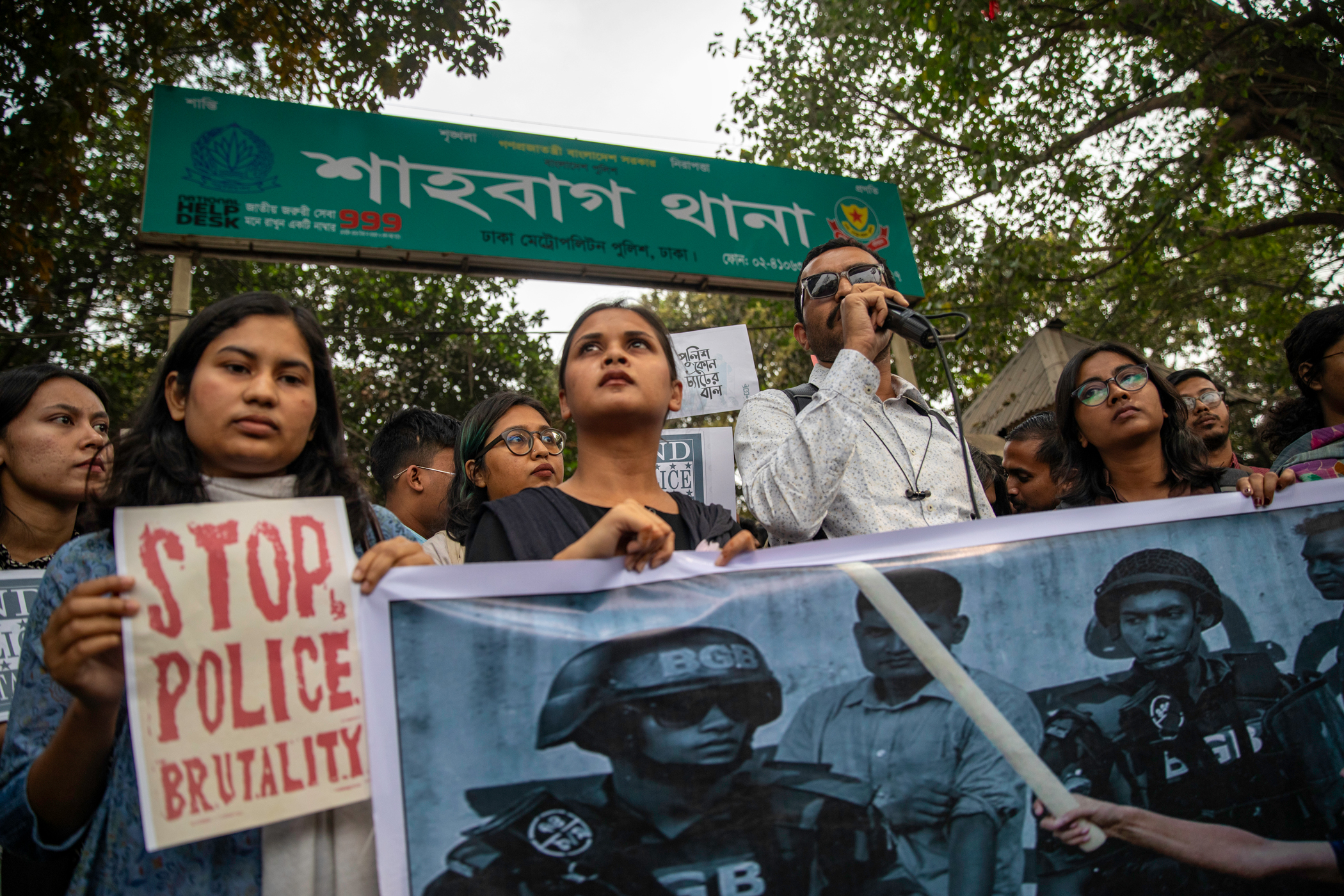
It is time we tried to understand the mindset of the social force that uses its “affective economies” to circulate feelings around signs and bodies to brand particular people as appearing to embody danger. Western outfits can be feared as a virus affecting patriarchal and religious morale. Similarly, conservative attire can be feared as a sign of enslavement to patriarchy and ideological bondage, thereby throttling individual freedom. For a society to progress, we need to make our citizens responsible enough so that they control and examine their feelings before acting upon them. The question of freedom cannot be answered in the name of protectionism. We should ask whether an intervention enables participation or makes withdrawal the price of security.
As a university leader, I consider the classroom dimension especially troubling. Education should cultivate the ability to encounter differences without immediately converting it into a verdict. That responsibility applies to teachers, students and administrators alike. Protecting a complainant and hearing the person accused are both necessary to a credible inquiry. The sensible thing to do is to make the rules of the place transparent and accessible. Private individuals sharing public spaces must respect the space they are in. But their choices should not be curated by a selected few who assume moral authority to craft a preferred image of respectability or modernity.
Dr Shamsad Mortuza is vice-chancellor at the University of Liberal Arts Bangladesh (ULAB).
Views expressed in this article are the author's own.
Follow The Daily Star Opinion on Facebook for the latest opinions, commentaries, and analyses by experts and professionals. To contribute your article or letter to The Daily Star Opinion, see our guidelines for submission.
 For all latest news, follow The Daily Star's Google News channel.
Comments