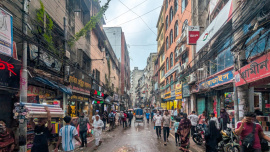
Are Bangladesh’s Biharis truly equal citizens?
The Biharis in Bangladesh are a product of the Partition of India. On the eve of Partition in 1947, these Urdu-speaking Muslims migrated to former East Pakistan from riot-affected areas of India, mainly Bihar, to preserve their Muslim identity as well as to escape communal violence and massacres. Some of them also moved to former East Pakistan to explore better opportunities in the new nation, where the demand for skilled and semi-skilled workers such as the Biharis was enormous. Most importantly, they chose to migrate to former East Pakistan because it was geographically close to Bihar and relatively accessible. Most of them came from Bihar, while others came from different parts of India. These Urdu-speaking people are commonly known as the Biharis in Bangladesh. Following the Partition of India, the Biharis settled in the urban and suburban areas of former East Pakistan and remained a distinct ethno-linguistic and cultural minority.
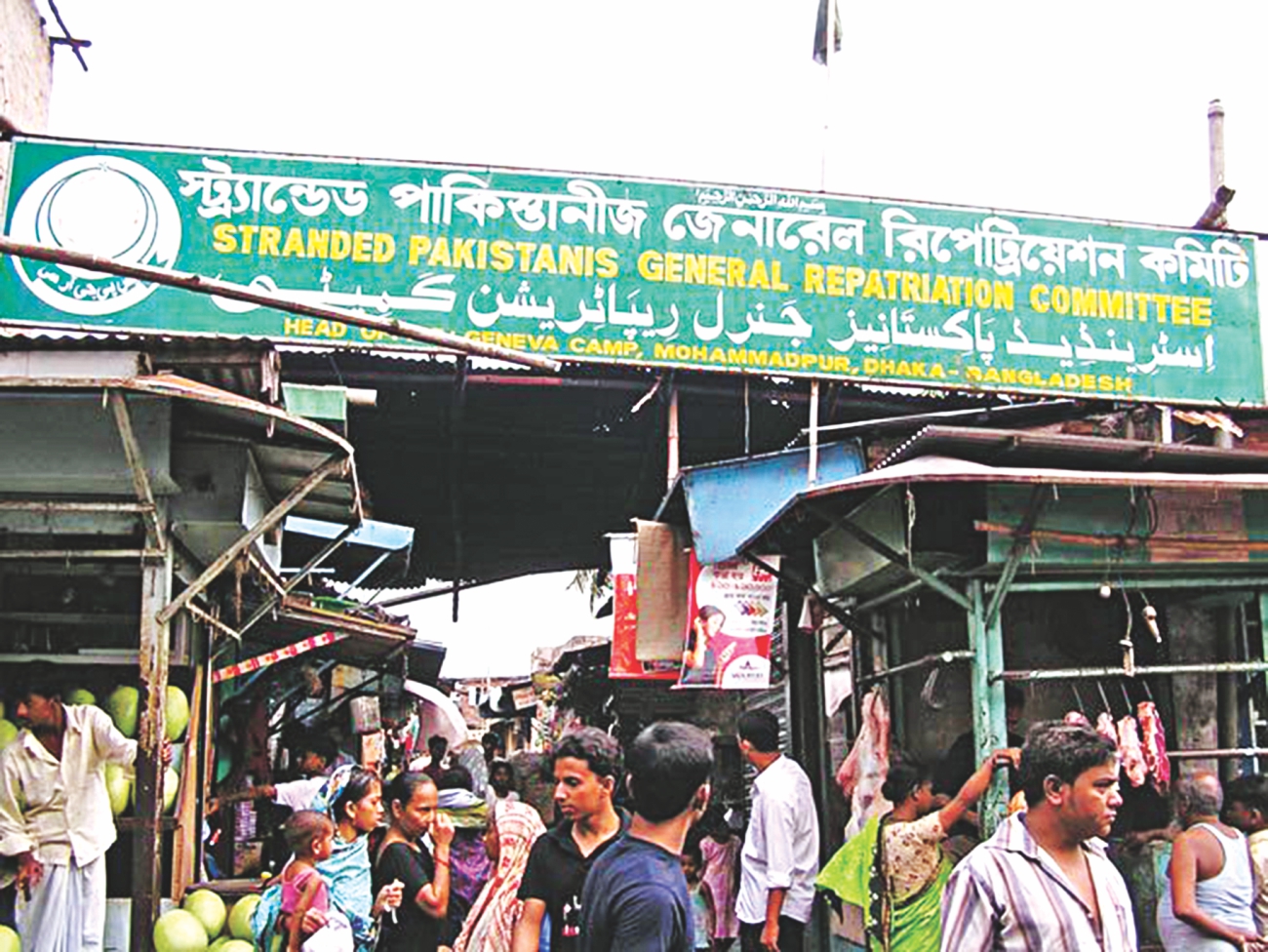
Politically, these Biharis largely opposed the Bengali nationalist movements of the 1950s, 1960s, and 1970s and supported Pakistan’s ruling elites in order to advance their own political and economic interests. During the Liberation War of Bangladesh in 1971, they mostly supported the Pakistan army, and some of them allegedly took part in war crimes. After the birth of Bangladesh on 16 December 1971, the Biharis collectively became unwanted, vulnerable, and stateless. Massive violence occurred against them. Against this backdrop, the Urdu-speaking Biharis fled their homes and sought sanctuary in around 66 Red Cross camps (now extended to 116 settlements), where they have since been waiting for repatriation to Pakistan.
Repatriation of the Biharis
In the aftermath of the birth of Bangladesh, about one million Biharis faced severe hardship in their struggle for survival because they became victims of retaliatory violence for their alleged collaboration with the Pakistan army. According to a report by the Government of Bangladesh, in 1972, under the auspices of the International Committee of the Red Cross (ICRC), half a million of them wanted to stay in Bangladesh and immediately obtained Bangladeshi citizenship, while the remaining half a million opted for repatriation to Pakistan.
Following the birth of Bangladesh, the Delhi Agreement was signed between India and Pakistan, with the concurrence of Bangladesh, on 28 August 1973. The Delhi Agreement provided for simultaneous three-way repatriation: Pakistani prisoners of war from India, Bengali detainees from Pakistan, and Biharis who had opted for repatriation to Pakistan from Bangladesh. Under the Delhi Agreement, a total of 178,069 Biharis were formally repatriated to Pakistan out of the 534,792 who had opted for repatriation through the ICRC. An estimated 100,000 Biharis moved to Pakistan informally through India, Nepal, and Burma, while approximately 250,000–300,000 remained in Bangladesh. They currently live in 116 settlements across the country.
Legal status of the Biharis
In the strict legal sense, the Biharis are not refugees under the UN Refugee Convention of 1951 because they did not flee the country of their residence. Rather, the territory of their residence seceded from their mother country and became a separate sovereign and independent state. The Biharis are also not stateless persons under the UN Convention relating to the Status of Stateless Persons of 1954. According to the Convention’s definition, a stateless person is someone who is not considered a national by any state under the operation of its laws. However, the Biharis qualify for citizenship under Bangladeshi law.
Article 3(d) of the Bangladesh Citizenship Act, 1951 provides citizenship to those “who, before the commencement of this Act, migrated to the territories now included in Bangladesh from any territory in the Indo-Pakistan subcontinent ... with the intention of residing permanently in those territories”.
Article 2 of the Bangladesh Citizenship (Temporary Provisions) Order, 1972 (President’s Order 149 of 1972) stipulates:
“who or whose father or grandfather was born in the territories now comprised in Bangladesh and who was a permanent resident of the territories now comprised in Bangladesh on 25 March 1971 and continued to be so resident; or
who was a permanent resident of the territories now comprised in Bangladesh on 25 March 1971 and continues to be so resident and is not otherwise disqualified from being a citizen by or under any law for the time being in force.”
Most alarmingly, among the 75 respondents, 3% have no income at all, while 24% of the Biharis have a daily income ranging between US$0.36 and US$1.77. Furthermore, this daily income is shared among six to eight family members, which forces them to live in abject poverty. Even the highest-income group, which earns US$7.07 per day, suffers from extreme poverty because this amount must be shared among a family of six to eight members.
This Order does not discriminate between the Bengali and non-Bengali populations of Bangladesh. On the other hand, Article 2B(1) of the Bangladesh Citizenship (Temporary Provisions) Amendment Ordinance 1978 includes a disqualification clause, which states that a person shall not qualify to be a citizen of Bangladesh if he or she “owes, affirms, or acknowledges, expressly or by conduct, allegiance to a foreign state”.
Indeed, this law does not disqualify the Biharis from Bangladeshi citizenship simply because they sought repatriation to Pakistan. In the Mukhtar Ahmed case in 1982, the Supreme Court of Bangladesh rejected the argument that the option exercised by traumatised Biharis to express their desire to return to Pakistan through the ICRC immediately after the birth of Bangladesh constituted sufficient grounds for terminating their Bangladeshi citizenship. In addition, President’s Order 149 of 1972 did not disqualify a person from citizenship rights on the grounds of his or her alleged collaboration with the Pakistan army. Finally, on 18 May 2008, in the Sadakat Khan case, the Supreme Court of Bangladesh (High Court Division) declared that every member of the Urdu-speaking community who was born after the birth of Bangladesh and who had been a minor during the Liberation War of Bangladesh is a citizen of Bangladesh in accordance with the laws of the country.
Ineffective citizenship rights
Citizenship rights are human rights, and the basic needs of the Biharis, including housing, education, health, employment, and security, are not adequately protected in Bangladesh. I interviewed 75 Biharis selected from three different camps, namely the Geneva Camp, Dhaka; the Town Hall Camp, Dhaka; and the Sagor Para Camp, Rajshahi, and collected primary data through the in-depth interview method. I explored whether the Biharis are effectively enjoying their citizenship rights.
Housing and living conditions
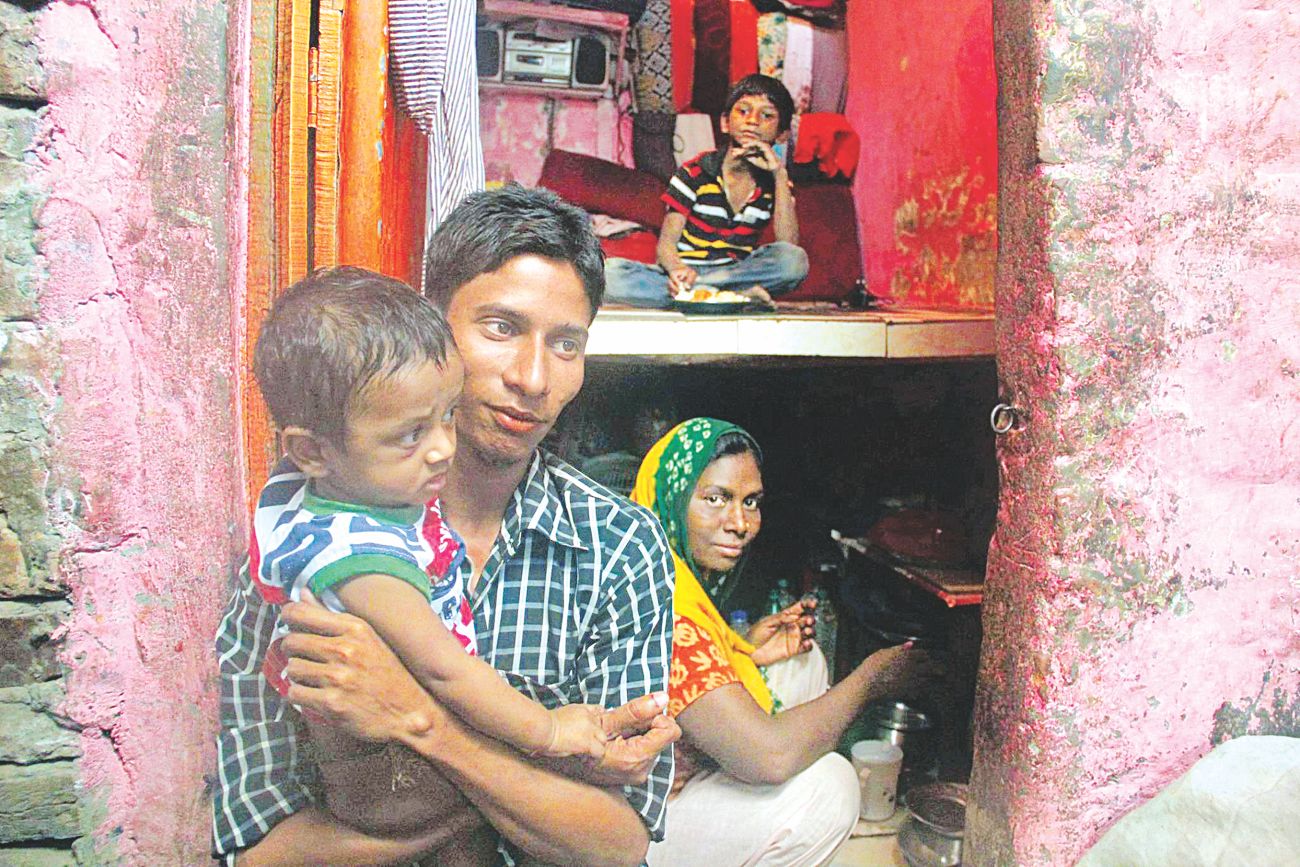
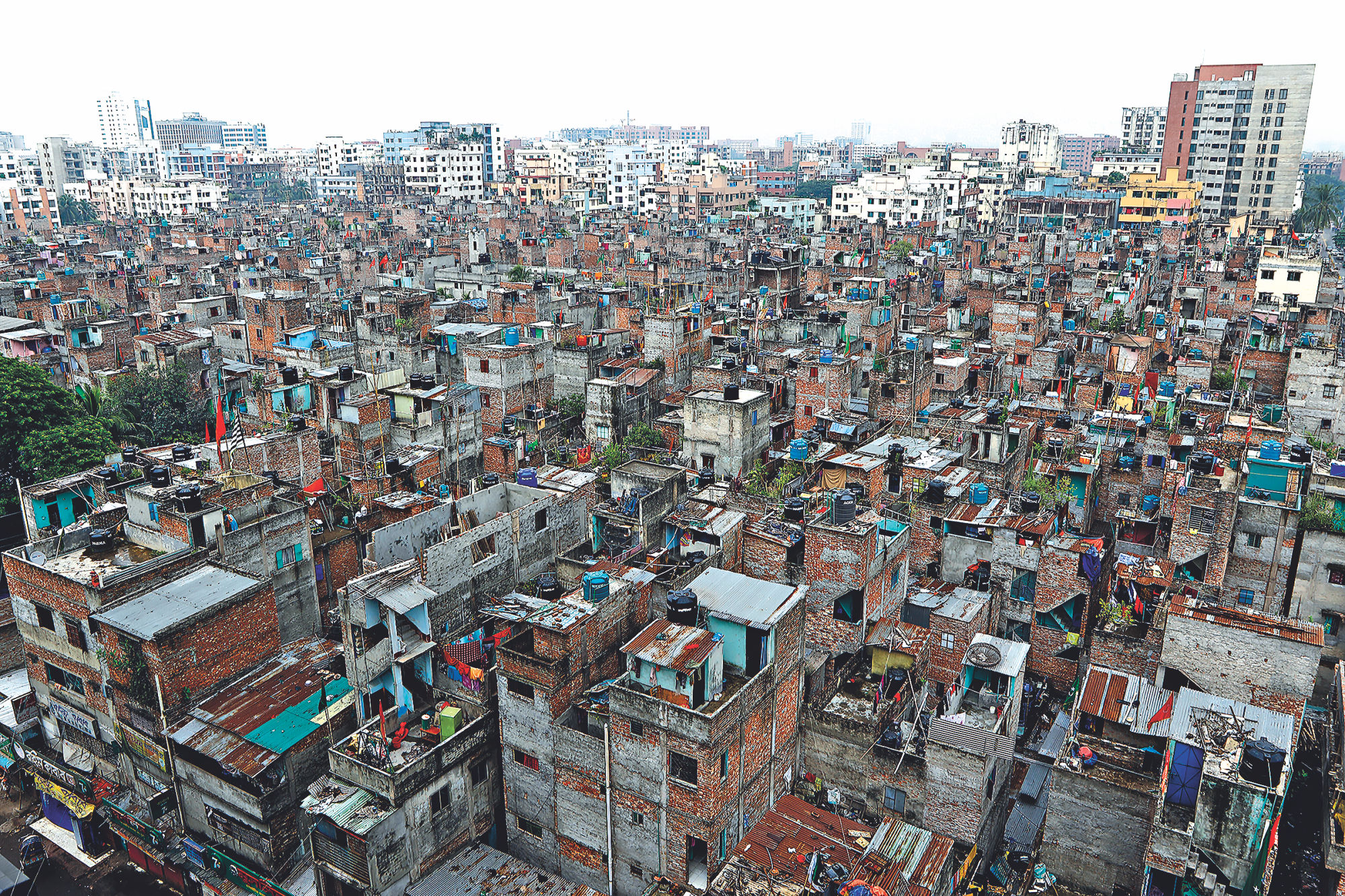
The right to housing, as a means of achieving an adequate standard of living, remains a distant dream for the Biharis living in camps. My study finds that the average size of each room in the camps is 8 ft by 10 ft, and the average number of family members living within the same space is six. In many cases involving joint families, 12 to 15 members live in the same room. Kabir, aged 48, says, “Your (Bengalis’) washroom is bigger than our entire house.”
The camp dwellers have identified many problems that undermine their basic human needs and human rights. Among these, privacy is the most significant problem. This issue is so acute that they do not have even the minimum privacy required to change their clothes. In a small room where an average of six people live together, privacy for intimate relations between married couples is entirely absent. Aziz, aged 50, said, “I have two children. My parents live with me. My wife is young. I have forgotten when we last had physical relations. I believe it is a curse.”
In the Geneva Camp, approximately 30,000 people use 273 toilets, many of which are out of order. Statistics indicate that approximately 110 people use a single toilet.
Employment of the Biharis
The Biharis are an economically deprived community. Their lack of education, combined with their poor economic circumstances, provides them with very limited or no employment opportunities. Among the 75 respondents, most Biharis are engaged in labour-intensive occupations for survival. Their illiteracy, limited educational attainment, and ineffective citizenship status are responsible for confining them to low-paid menial jobs.
Among the 75 respondents, 35% are self-employed. This means that, finding no other means of survival, they have started operating micro-enterprises or small businesses involving tea and cigarette vending, running tiny grocery shops, selling vegetables on the streets at retail prices, or operating small convenience stores inside the camps. The second-largest group of respondents (16%) consists of rickshaw pullers who work very hard to earn a living.
Among the respondents, Bihari housewives also constitute 16% of the population and are exclusively engaged in childbearing, child-rearing, cooking, and household management. They depend on the very limited income of their husbands or children. It is evident that, because of unemployment and economic insecurity, girls have become victims of child marriage and polygamy. In many cases, poor parents force their daughters into polygamous marriages in order to reduce their economic burden.
Income levels of the Biharis
The lack of education and poor occupational backgrounds of the Biharis have compelled them to live in extreme poverty. Among the respondents, the daily income of 35% is between US$1.77 and US$3.50 only, while another 35% of respondents earn between US$3.56 and US$5.30 per day. Only 4% of respondents earn between US$5.34 and US$7.07 per day.
Most alarmingly, among the 75 respondents, 3% have no income at all, while 24% of the Biharis have a daily income ranging between US$0.36 and US$1.77. Furthermore, this daily income is shared among six to eight family members, which forces them to live in abject poverty. Even the highest-income group, which earns US$7.07 per day, suffers from extreme poverty because this amount must be shared among a family of six to eight members.
Education and human rights
Out of the 75 respondents, four out of five (80%) are totally illiterate (having received no formal education), compared to the national illiteracy rate of 40.18%. Meanwhile, 67% of respondents cannot send their children to primary school, which means that a majority of Bihari children remain illiterate. It is interesting to note that Bangladesh has a system of compulsory and free primary education. However, the irony is that only 20% of respondents are able to send their children to public schools. Due to many unofficial barriers, the remaining Bihari parents cannot send their children to public schools. Hafiz, aged 54, claims that Urdu-speaking students are denied admission to public schools when the authorities learn that they live in the camps. On the other hand, 13% of the respondents were able to send their children to private schools.
Healthcare situation
Access to healthcare is another indicator of human rights. Although the camp residents do not enjoy many human rights, public healthcare is an exception, with 76% of the respondents admitting that they receive free hospital services from government hospitals and health centres. This represents a positive contribution by the Government of Bangladesh to the Bihari community. Nadim, aged 39, a schoolteacher, said, “In hospitals, doctors do not look at ethnic identity. They provide us with services regardless of ethno-linguistic differences. They provide care out of moral obligation. Politics does not matter here.”
However, 24% of the respondents complained that they remain outside the services provided by public hospitals and health centres.
This research reveals that although the Biharis are legally citizens of Bangladesh, many of them do not have access to important legal and social rights associated with citizenship. Integration means “uniting, unifying, or organising” two or more groups, but the Biharis have always lived as an alienated and distinct group, separated from the mainstream population.
This research recommends that, in order to bridge the gap between the Biharis and Bengalis, the government needs to ensure their access to citizenship rights in the same manner as other citizens and make their citizenship meaningful. The Government of Bangladesh may take the initiative to introduce legislation in the national parliament regarding the rehabilitation and integration of the Biharis. Mainstream local NGOs, the business community, civil society, and the media should also extend their support towards integrating the Biharis into mainstream society. Government and non-government financial institutions should support the Biharis through soft loans for housing or business purposes. The government may address the economic problems faced by the Biharis through specific rehabilitation projects and seek support from bilateral and multilateral donors for such initiatives.
Dr Zaglul Haider is an Adjunct Professor in the Department of Political Science and Sociology (PSS) at North South University.
Send your articles for Slow Reads to slowreads@thedailystar.net. Check out our submission guidelines for details.

Bangladesh’s gold paradox: From a shadow market to an export industry

Anu Muhammad speaks / Why Bangladesh’s energy crisis keeps coming back
The $5 billion opportunity Bangladesh is failing to see
How Bangladesh is failing its Qawmi graduates
Why is water-rich Bangladesh running short of water?
Bangladesh's education crisis: The future has already begun
The global injustice behind Bangladesh’s shipbreaking industry

How to make essential medicines affordable and accessible in Bangladesh
Can Bangladesh make its plastic waste policy work?