Beyond the myths of Aurangzeb: Munis D. Faruqui's fresh perspective

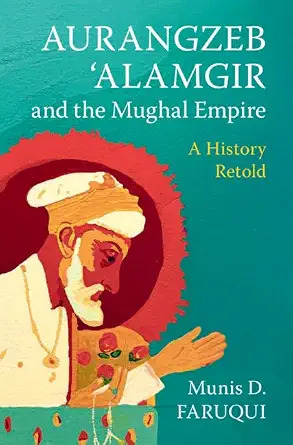
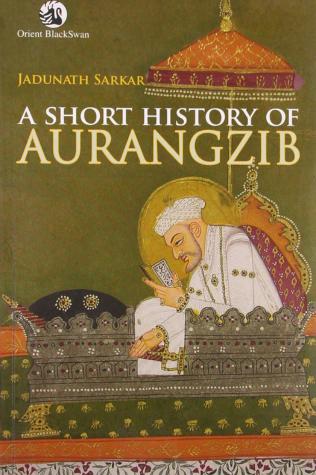
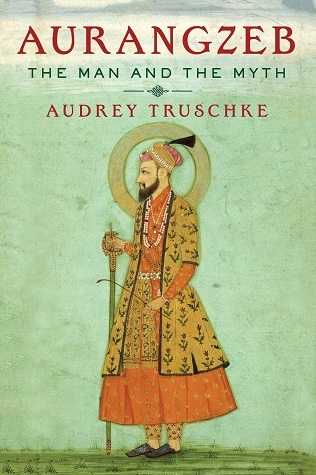
For more than a hundred years, the study of Aurangzeb has been dominated by two figures: Jadunath Sarkar, whose five-volume History of Aurangzib painted him as a bigoted conspirator, and M. Athar Ali, who shifted attention to the structural crises of the Mughal nobility. More recently, Audrey Truschke's Aurangzeb: The Man and the Myth sparked furious controversy in an increasingly polarised India. This contest over Aurangzeb's legacy is not new; in 1916, the same year Sarkar published the third volume of his monumental history, Sadiq Ali issued A Vindication of Aurangzeb, an early attempt to counter European biases using Persian sources. Munis D. Faruqui's Aurangzeb 'Alamgir and the Mughal Empire: A History Retold now arrives as a desperately needed corrective.
Faruqui's most original contribution lies in his recovery of marginalised actors. Using imperial newsletters and Persian collections, he shows that women in Aurangzeb's household participated in diplomacy and military settlements, while eunuchs became major political players, especially in the emperor's old age. This moves well beyond the older focus on the noble elite.
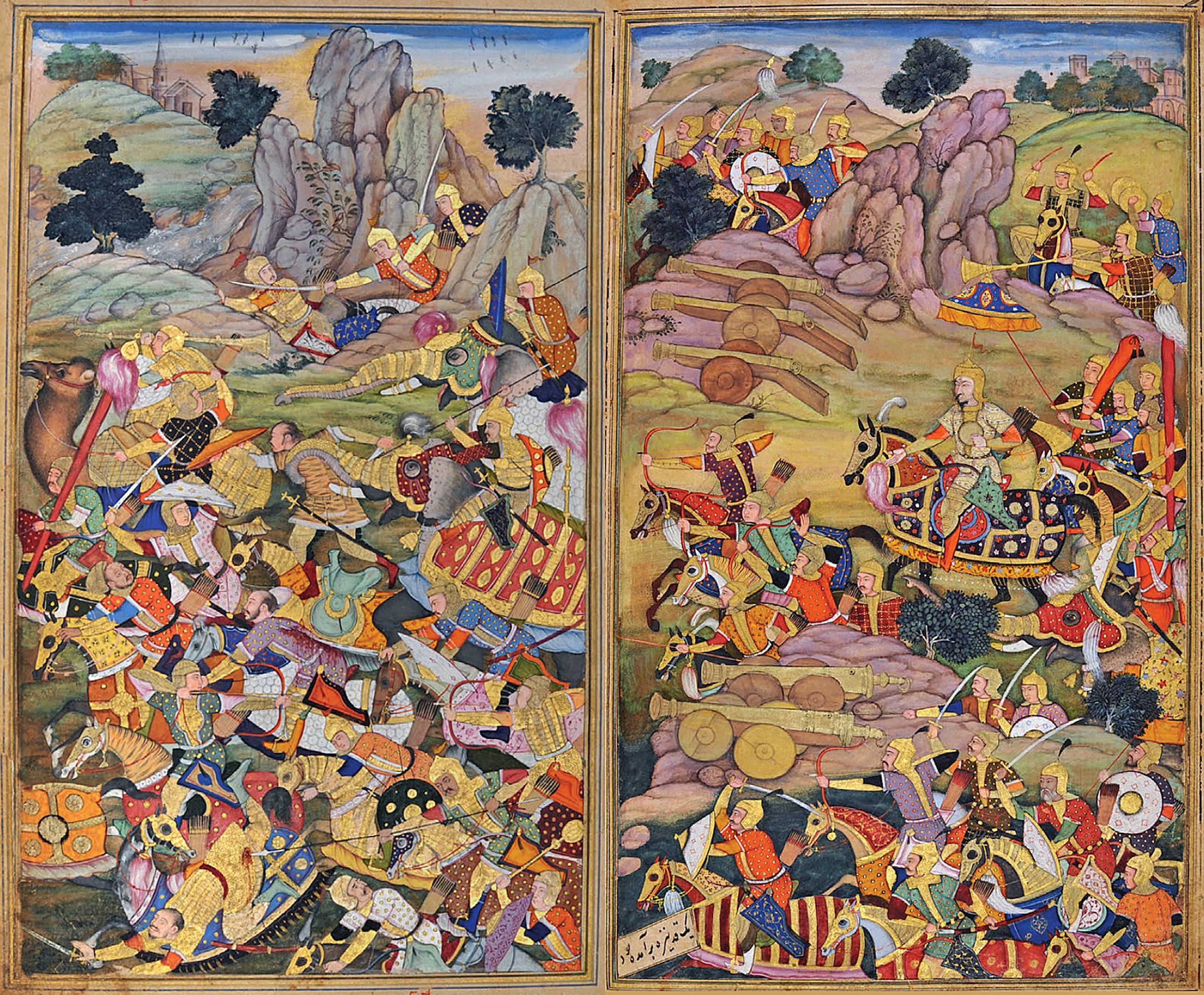
On the succession war of 1657–59, Faruqui corrects Sarkar's portrait of Aurangzeb as a usurper. He places the conflict within Mughal political traditions, where princes were expected to compete for the throne. Aurangzeb's victory was not betrayal but the result of decades of military and administrative preparation. The emperor who emerges is less a conspirator than a skilled practitioner of Mughal politics.
On religion, Faruqui navigates a careful middle path. Islam was central to Aurangzeb's moral universe, he argues, but the emperor used Islamic norms as tools for ethical governance rather than as part of a plan for religious uniformity. The reintroduction of the jizya tax is analysed as a symbolic assertion of sovereignty shaped by financial pressures and legal debates. Yet Faruqui's emphasis on continuity sometimes downplays real breaks with his predecessors, such as the abolition of the jharokha darshan ritual.
The Deccan campaigns from 1681 to 1707 are identified as the great tragedy of Aurangzeb's rule: not religious policy but imperial overreach. Faruqui complements Athar Ali's structural analysis of the jagir crisis with a psychological layer: the Deccan became a matter of personal honour from which the emperor could not withdraw.
Most hauntingly, Faruqui depicts how irrelevant Aurangzeb became in his final decades. Stranded thousands of miles from Delhi, his health failing, his sons plotting against him, and his orders ignored by local commanders, the emperor wrote letters of despair. He had come to the Deccan as a young man and was dying there, having wasted the empire's resources on a war he could neither win nor abandon. The most powerful man in the world became a prisoner of his own ambitions. This portrait of imperial irrelevance is one of Faruqui's finest achievements.
The final section on historiography shows that eighteenth-century writers remembered Aurangzeb very differently from how we do today, forcing us to consider how memory is shaped by present concerns. Faruqui does not write as a polemicist. His tone is measured; his evidence, painstaking.
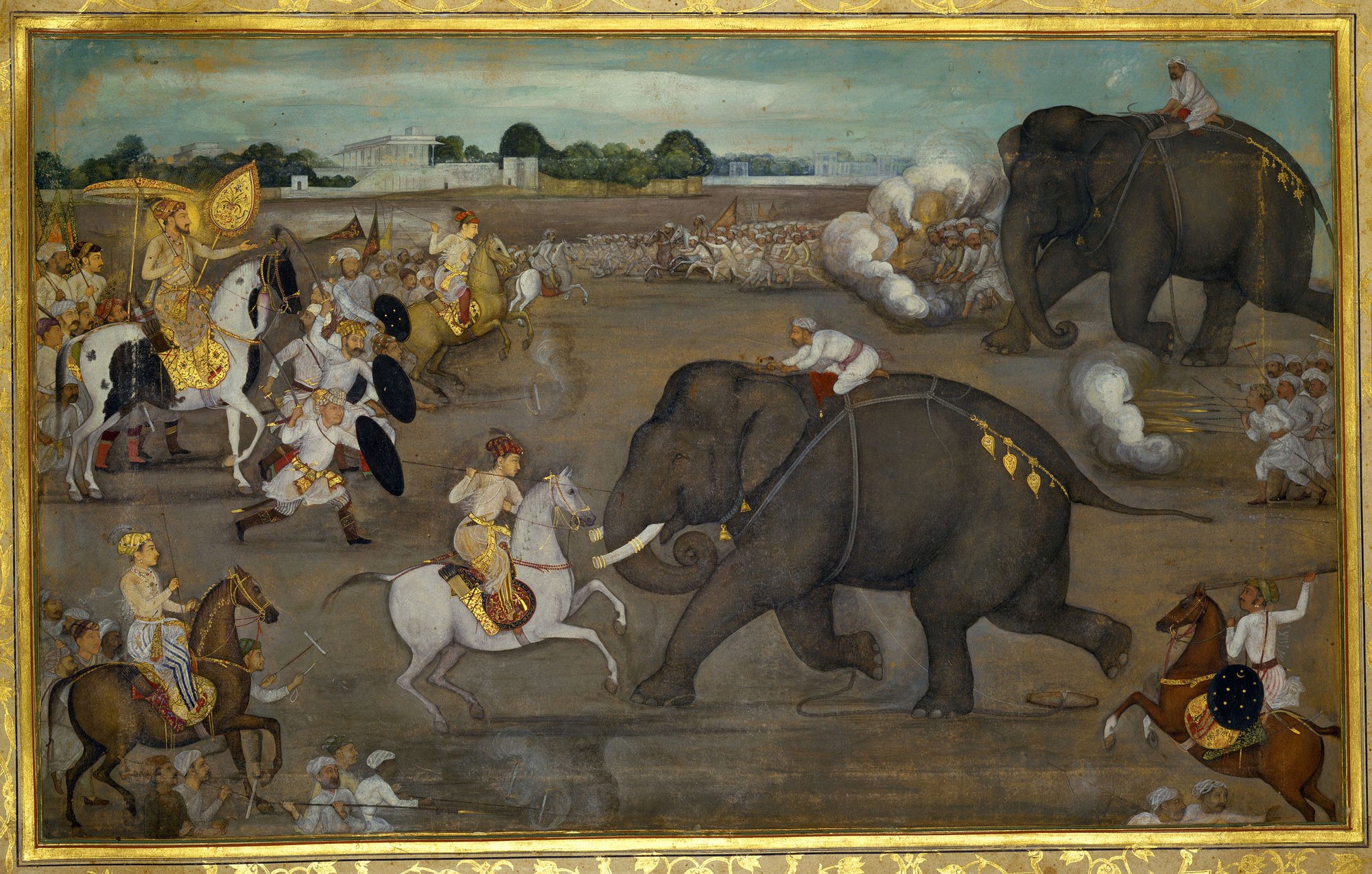
In today's India, where school textbooks are being rewritten to erase Mughal history and public debates reduce Aurangzeb to a one-dimensional fanatic, this book insists on complexity. It will not satisfy those who want a simple hero or villain. But for readers who believe history should be complicated and honest, it is a gift.
Faruqui has not written the final word on Aurangzeb, but he has decisively changed the terms of the conversation. Like Sarkar's History a century ago and Athar Ali's The Mughal Nobility under Aurangzeb sixty years ago, this is a book with which all future scholarship must engage.
Syed Ali Nadeem Rezavi is a historian, author, and professor at Aligarh Muslim University.
Send your articles for Slow Reads to slowreads@thedailystar.net. Check out our submission guidelines for details.
In conversation with William Dalrymple / ‘Britain didn't conquer India’
Sheikh Mujib’s killing: What the newspapers told and what they omitted
Mirrors of Empire / The bureaucrats and intellectuals who shaped the Mughal Empire
To feel Bengali, to think beyond Bengal: Dipankar Gupta in conversation
Bangladesh's visual history / The enduring allure of vintage photographs
The enduring legacy of the 2nd Bangladesh Liberation War Course
In conversation with Harbans Mukhia / Beyond kings and dynasties: Rethinking medieval Indian history
Reading Ardhakathanak / What a 17th-century merchant's autobiography reveals about Mughal governance

The blind spots of Bangladesh studies