Diplomacy in a turbulent world: How Bangladesh should navigate bilateral ties and regional platforms
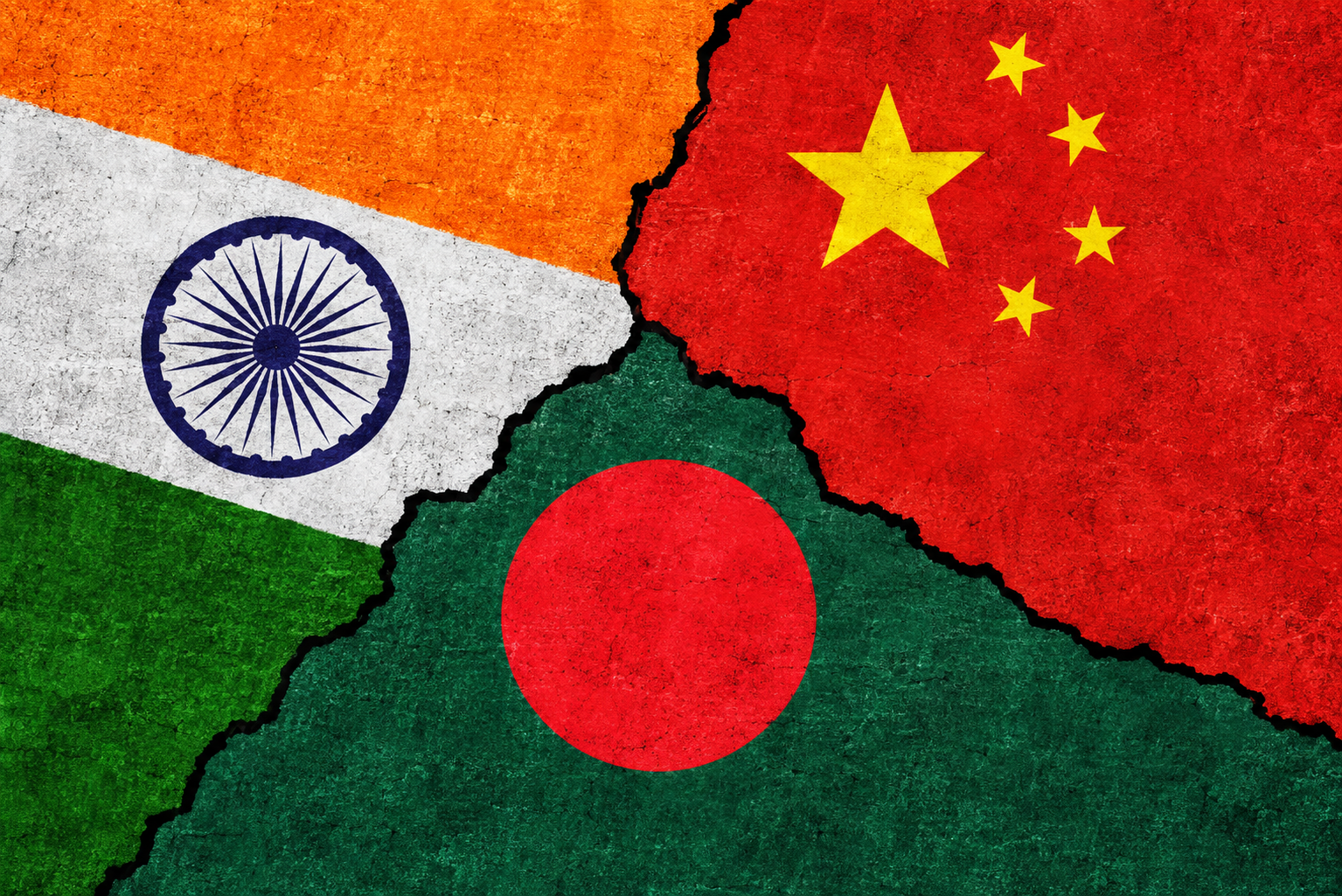
Bangladesh’s foreign-policy debate often begins with a familiar question: which major power is Dhaka moving closer to? A visit to Beijing is treated as evidence of a pro-China tilt. An opening with New Delhi is read as a reset with India. A trade or security agreement with Washington is interpreted as a sign of growing US influence. These relationships remain central because Bangladesh cannot avoid the pressures created by geography, economic dependence and strategic competition. Yet the bilateral lens captures only part of the country’s diplomatic behaviour. For Bangladesh, strategic autonomy has become a practical necessity. Preserving it requires more than navigating carefully among India, China and the United States. Dhaka also needs a wider range of institutions through which it can pursue trade, connectivity, security, climate cooperation and diplomatic support.
The need for a broader approach has become clearer since the 2024 political transition. Bangladesh faces a difficult combination of strained relations with India, expanding economic and defence ties with China, tougher trade negotiations with the United States, the unresolved Rohingya crisis and the pressures surrounding LDC graduation. These new geopolitical realities require a more adaptable diplomatic strategy. Separate bilateral relationships will remain necessary, but they leave Bangladesh exposed when a stronger partner links cooperation in one area to concessions in another. Institutions can create additional channels, distribute negotiations across several actors and give smaller states opportunities to build issue-based coalitions.
The latest sign of this institutional turn came on September 21, when RCEP ministers approved an ad hoc working group to advance Bangladesh’s accession. Bangladesh is one of several economies seeking entry into the 15-member regional trade bloc.
BIMSTEC changes the setting of regional bargaining
BIMSTEC offers the clearest regional example. Bangladesh assumed its chairmanship in April 2025, taking responsibility for a grouping that links Bangladesh, Bhutan, India, Myanmar, Nepal, Sri Lanka and Thailand. The sixth summit adopted the Bangkok Vision 2030 and concluded an Agreement on Maritime Transport Cooperation. Its agenda covers transport, trade, energy, climate resilience, disaster management, security and the blue economy. These are areas in which Bangladesh’s interests extend beyond a choice between India and China.
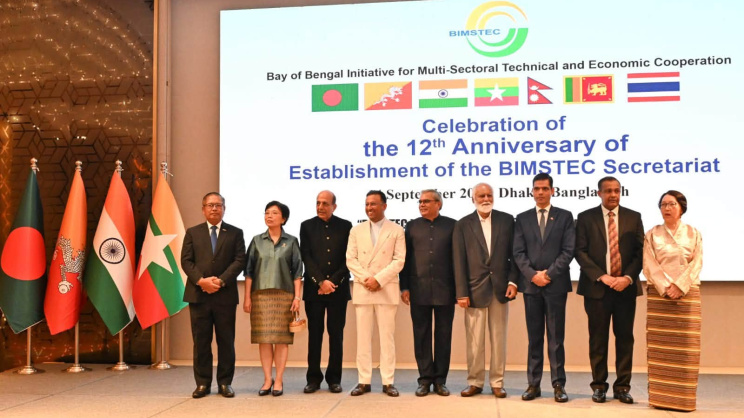
For Bangladesh, BIMSTEC changes the context of bargaining. Connectivity with India is highly asymmetric when discussed only between Dhaka and New Delhi. Within BIMSTEC, the same subject can be connected to Nepal’s and Bhutan’s access needs, Thailand’s interest in linking South and Southeast Asia, Myanmar’s geographical position and Sri Lanka’s maritime role. The institution does not remove India’s weight, but it introduces more participants and allows issues to be framed as regional public goods. Bangladesh can also use its chairmanship to place maritime transport, blue-economy cooperation and disaster preparedness higher on the agenda. This type of agenda-setting is a modest but meaningful form of small-state agency.
BIMSTEC nevertheless has serious limitations. India is its largest member, China and Pakistan are absent, and Myanmar’s conflict obstructs regional connectivity. Implementation has often moved slowly. Intra-regional trade accounts for only about seven percent of BIMSTEC members’ total trade, compared with roughly 25 percent within ASEAN. Bangladesh should therefore avoid treating the chairmanship primarily as a matter of diplomatic prestige. Its value will depend on whether Dhaka can turn a crowded agenda into a small number of visible results. Progress on port procedures, coastal shipping, disaster-information sharing or blue-economy research would matter more than another broad declaration.
SAARC and BIMSTEC are not substitutes
Bangladesh’s effort to revive SAARC may appear to conflict with its emphasis on BIMSTEC. Foreign Minister Khalilur Rahman has identified SAARC’s revival as a major foreign-policy objective, even though its last summit was held in 2014. India-Pakistan rivalry remains the main political barrier, and Bangladesh has little power to resolve that conflict. A push for an early leaders’ summit would therefore tie Dhaka’s diplomatic credibility to an outcome largely beyond its control.
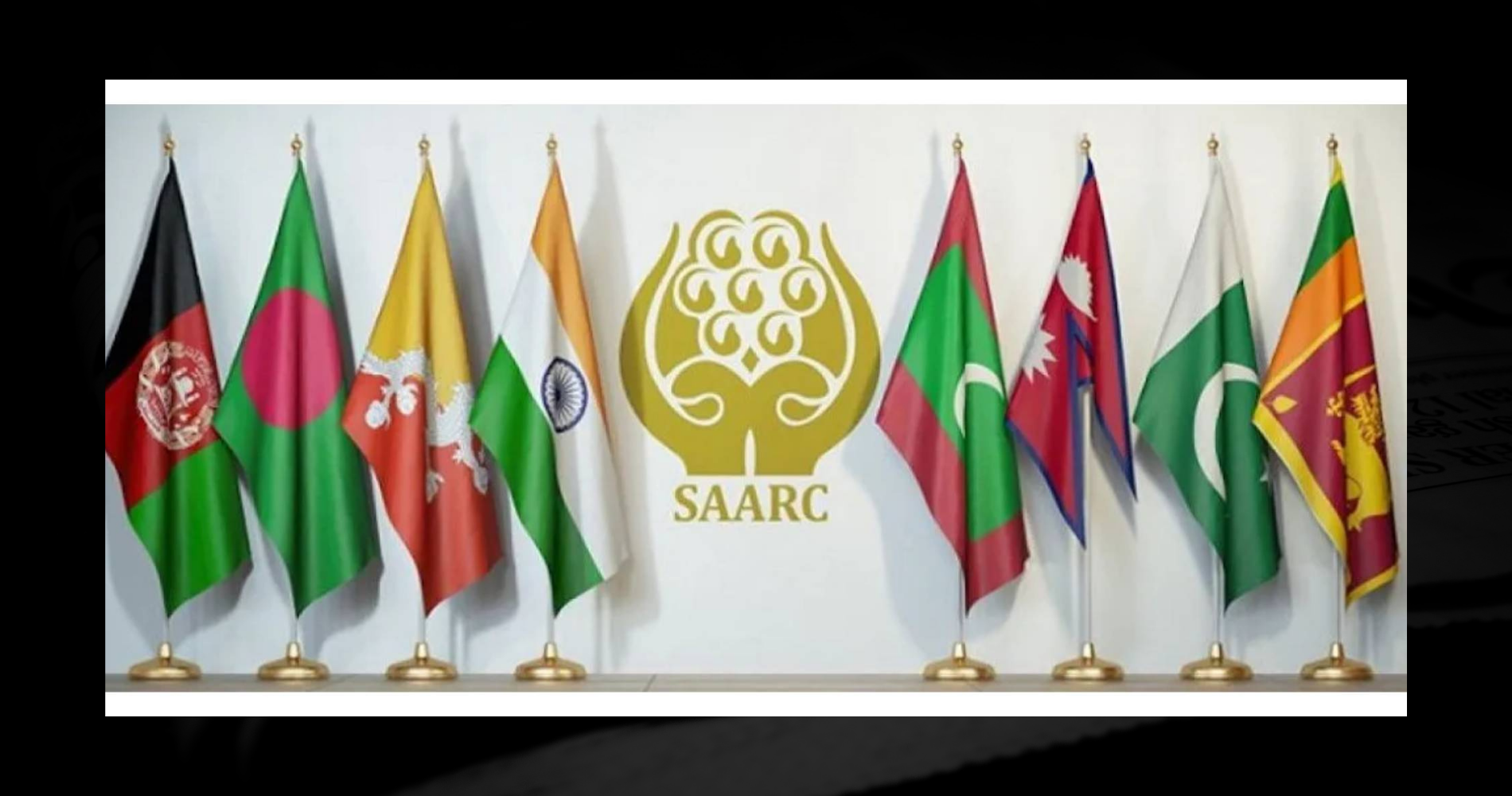
The case for keeping SAARC open is still strong. It remains the only institution that includes all eight South Asian states and provides a regional framework for health, education, food security, disaster response, cultural exchange and people-to-people contact. BIMSTEC connects the Bay of Bengal to Southeast Asia and excludes Pakistan; SAARC retains a wider South Asian political and social geography. They serve different purposes. Bangladesh does not need one to replace the other. It needs several channels so that paralysis in one institution does not stop cooperation everywhere else.
This is the practical logic behind a regional strategy that goes beyond reliance on SAARC alone. Bangladesh can support a cautious SAARC revival while using BIMSTEC for Bay of Bengal connectivity and sectoral cooperation. The point is not to collect memberships. It is to maintain overlapping routes for cooperation. When one forum is blocked by great-power rivalry, another may still allow technical agencies, businesses, universities or local authorities to work together. Such redundancy is valuable for a smaller state because it reduces the risk that one political dispute will close every regional door.
The Southeast Asian track adds economic depth
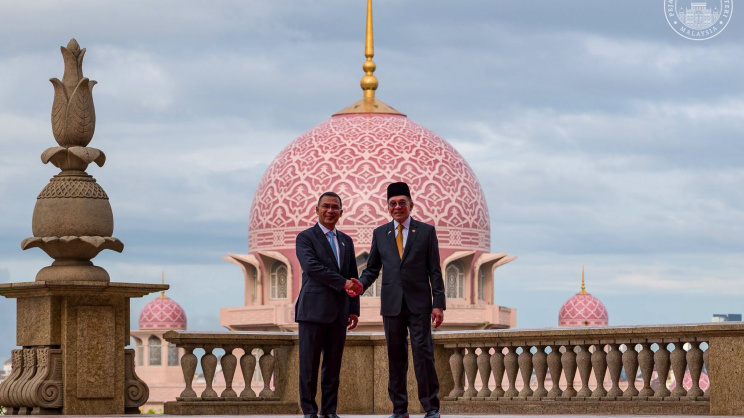
The institutional strategy becomes more economically significant in Southeast Asia. During Prime Minister Tarique Rahman’s visit to Malaysia in June, Bangladesh reiterated its ambition to become an ASEAN Sectoral Dialogue Partner and join RCEP, and Malaysia pledged constructive support for both objectives. Bangladesh has also sought support from other ASEAN partners and is expanding bilateral trade negotiations, including efforts to conclude a free-trade agreement with Singapore. These initiatives give substance to the long-discussed Look East policy.
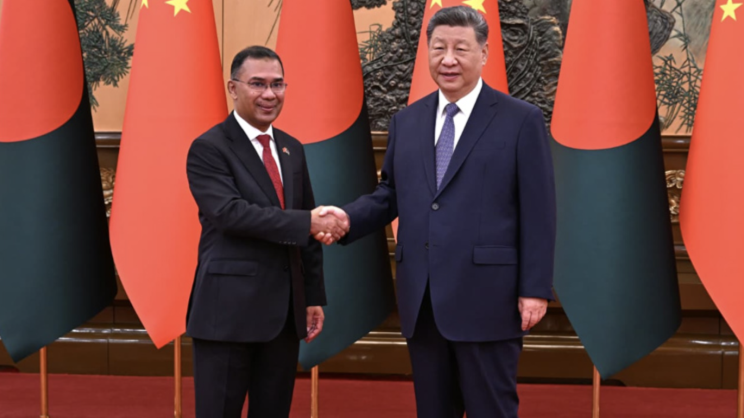
RCEP is particularly important because it offers Bangladesh a way to deepen regional economic ties without being drawn into a choice between China and its competitors. China is a member, but so are Japan, South Korea, Australia, New Zealand and all 10 ASEAN economies. India is outside the agreement. Bangladesh’s accession would therefore deepen economic interaction with China without turning the arrangement into a China-Bangladesh bargain. The rules would be negotiated and applied within a multilateral trade framework. This cannot eliminate China’s market power, but it can distribute Bangladesh’s commercial relationships across a larger group of economies.
The economic attraction is clear. Bangladesh needs new market access, stronger supply-chain links and more investment as it approaches the end of its least-developed-country preferences. Yet RCEP is not a cost-free shelter. Tariff reductions could expose weaker industries. Rules of origin, customs reforms, standards and intellectual-property commitments would require considerable administrative capacity. The prospect of large export losses after LDC graduation makes accession more urgent, but urgency should not replace preparation. The government needs a public impact assessment, sector-specific transition plans and sustained consultation with businesses, workers and consumer groups.
ASEAN Sectoral Dialogue Partner status would be more limited than full membership, but it could still give Bangladesh regular access to selected areas of cooperation. Dhaka should identify fields where it can contribute rather than approaching ASEAN only as a market. Disaster management, climate adaptation, public health, maritime safety, digital commerce and the Rohingya crisis offer possible entry points. Bangladesh will gain credibility if it brings expertise, financing or workable proposals to these discussions. Institutional access becomes useful when a state can help shape an agenda, not simply attend meetings.
The UN provides visibility rather than national leverage
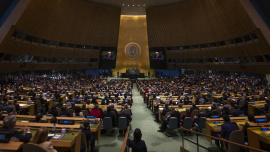
Bangladesh’s multilateral profile has also risen at the United Nations. Foreign Minister Khalilur Rahman assumed the presidency of the 81st UN General Assembly in September after securing 99 votes against 91 in the election. The election required support across regions and demonstrated that Bangladesh could build a broad diplomatic coalition. It also gives a Bangladeshi diplomat exceptional visibility during debates on conflict, UN reform, development finance and the selection process for the next secretary-general.

The office, however, is deliberately separate from Bangladesh’s national diplomacy. The president of the General Assembly must serve all member states and seek consensus among competing blocs. Treating the position as an instrument for advancing Dhaka’s bilateral interests would weaken its legitimacy. The benefit is indirect. The presidency can expand diplomatic networks, demonstrate convening ability and give Bangladesh greater familiarity with the priorities of different regions. It may also create more opportunities to draw attention to issues such as climate vulnerability, peacekeeping and the Rohingya crisis, provided the distinction between the UN role and national advocacy remains clear.
The broader lesson is that visibility should not be confused with power. Bangladesh’s UNGA presidency comes with both opportunities and institutional constraints. A smaller state can use multilateral office to gain access, convene coalitions and build a reputation for constructive diplomacy. It cannot convert that office into control over outcomes. The value lies in the relationships and credibility that remain after the one-year term ends.
Institutions cannot replace bilateral diplomacy
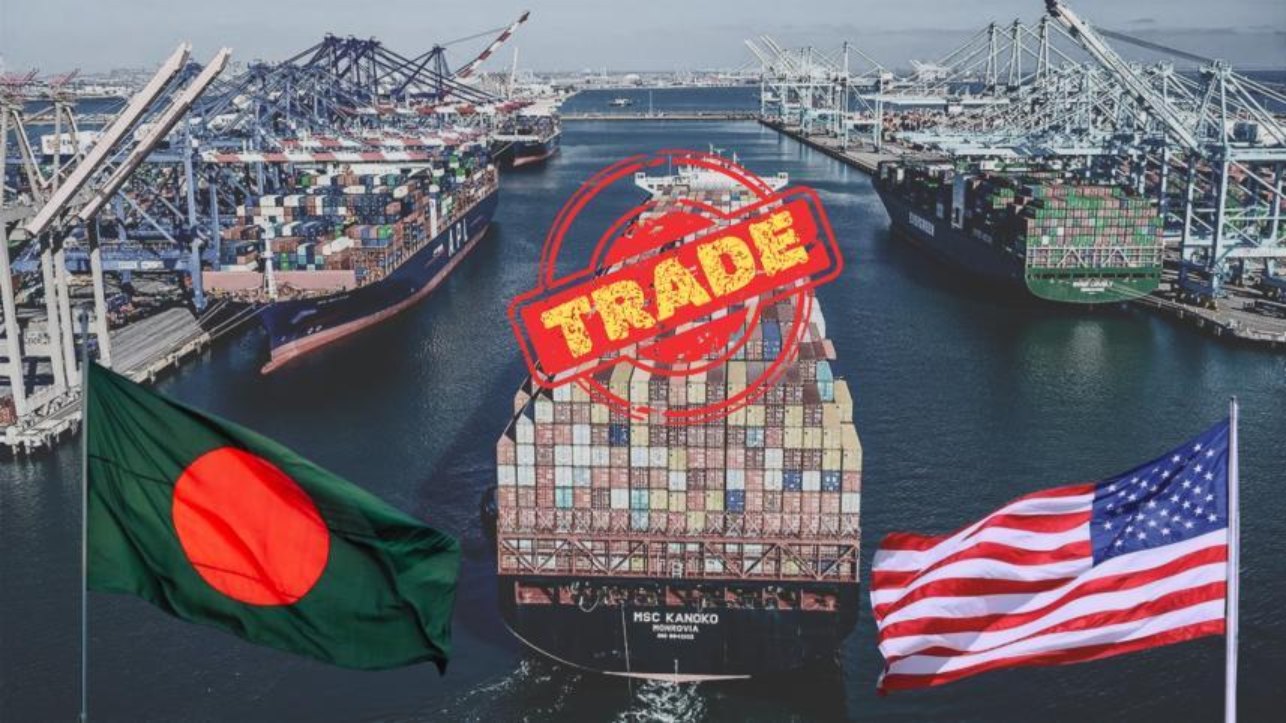
Institutional diversification does not allow Bangladesh to escape bilateral asymmetry. India surrounds most of its land border and remains essential to water, transit, energy, trade and security. China is deeply connected to infrastructure, industrial investment and military modernisation. The United States remains central to Bangladesh’s export economy and is becoming more important in energy and security. Decisions within these relationships will continue to generate direct pressures that regional organisations cannot absorb.
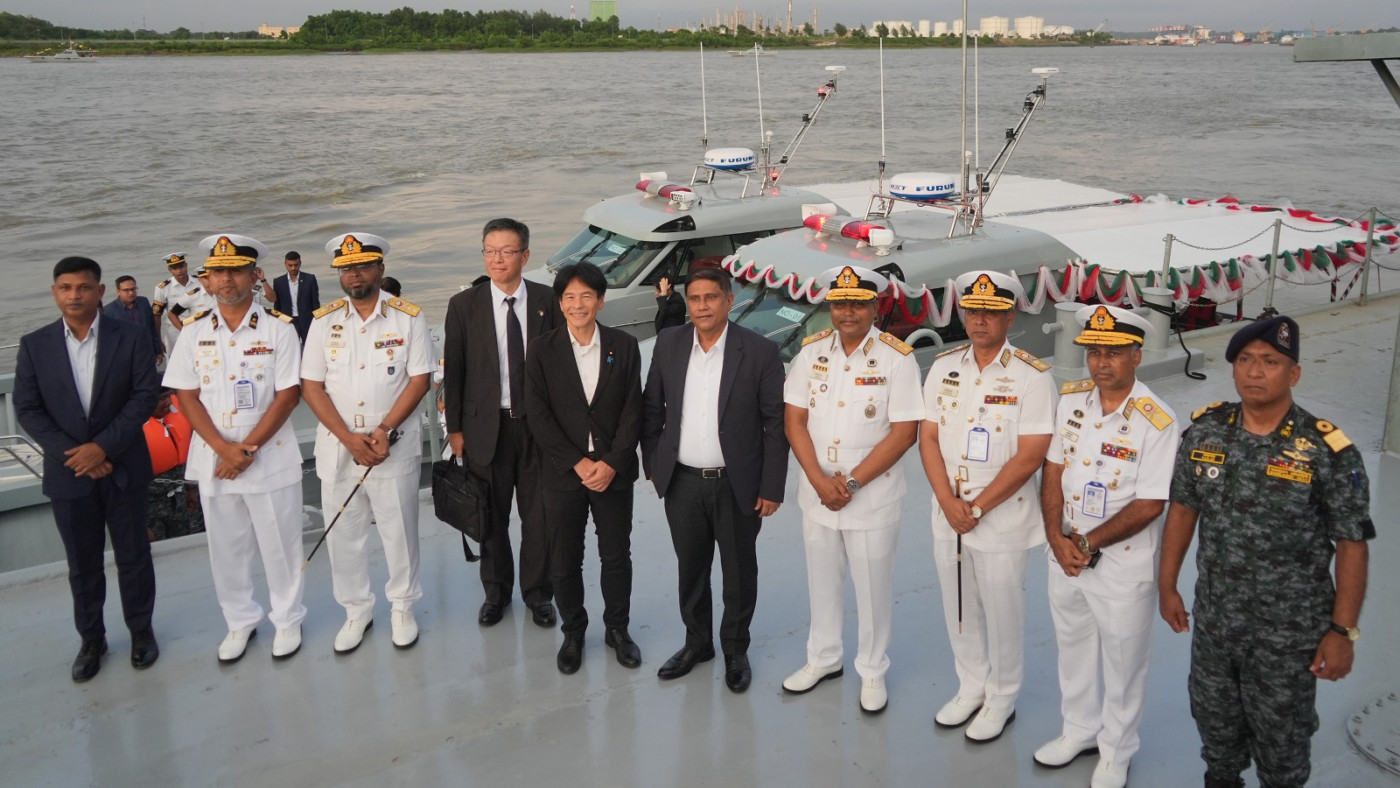
Defence policy shows the limits clearly. Bangladesh may pursue functional diversification between India, China and other security partners, but weapon systems create long-term dependence on suppliers for training, maintenance, spare parts and upgrades. Regional institutions cannot remove those dependencies. They can provide channels for maritime safety, disaster response, peacekeeping or confidence-building, while procurement and strategic trust still require careful bilateral management. A military decision that improves capability can also narrow diplomatic room for manoeuvre if other states interpret it as alignment.
Institutions themselves can reproduce power differences. Larger states possess more officials, funding and technical expertise, enabling them to dominate agendas and implementation. Smaller members may gain a seat without gaining influence. Bangladesh therefore needs stronger domestic coordination among its foreign affairs, commerce, shipping, energy, environment and defence institutions. Without a clear national position, participation in many forums can produce fragmented commitments rather than autonomy. The test is whether membership improves Bangladesh’s ability to make and implement its own choices.
Bangladesh should also distinguish institutional access from institutional influence. Joining a forum gives officials access to meetings, information and potential partners; it does not ensure agenda-setting power. Influence grows when a state arrives with reliable data, workable proposals, financing partnerships and supporting coalitions. Autonomy is a further step: the ability to use those relationships without accepting obligations that close off other choices. This distinction matters because the number of memberships can rise while policy freedom remains unchanged. Dhaka should therefore judge each institution by what it delivers: greater influence over decisions, reduced dependence on individual partners and stronger capacity at home.
A practical institutional agenda
Dhaka should begin by defining a limited set of objectives for each platform. BIMSTEC should focus on implementable Bay of Bengal projects, especially maritime transport, customs coordination, disaster response and blue-economy research. SAARC should concentrate on functional areas where cooperation can continue below the summit level, including public health, food security, education and disaster management. ASEAN engagement should be built around sectors where Bangladesh can offer expertise as well as seek access. RCEP diplomacy should proceed alongside a transparent domestic adjustment programme.
The government also needs a mechanism for reviewing institutional commitments. Every ministry should know which forum is responsible for a particular objective, what Bangladesh has promised, what resources implementation requires and what outcomes are expected. Parliament, business associations, universities and civil society should receive enough information to evaluate major trade and connectivity commitments. A policy described as sovereign, balanced and guided by national interest must be supported by domestic accountability. Otherwise, institutional diplomacy can become an executive exercise with little public scrutiny.
Bangladesh’s institutional diplomacy should therefore not move away from bilateral balancing, but add another layer that can make such balancing more flexible and less dependent on negotiations with one capital at a time. For a smaller state, institutions cannot erase power gaps. They can widen the range of partners, forums and issue-based coalitions available for pursuing national interests. Their success should be measured by practical outcomes: lower concentrations of dependence, better access to markets and transport networks, stronger crisis cooperation and greater freedom to accept or reject external demands. If these platforms produce only meetings and declarations, they will add ceremony without autonomy. If Bangladesh connects them to clear priorities and capable domestic institutions, they can provide genuine diplomatic room for manoeuvre.
Mohd Amdadul Haque is a doctoral candidate in the Department of International Politics at Shandong University and an assistant professor in the Department of Political Science at Gopalganj Science and Technology University. He can be reached at milon93@gmail.com.
Send your articles for Slow Reads to slowreads@thedailystar.net. Check out our submission guidelines for details.
What is the UN still good for?
Can the 81st UNGA restore hope in a world of crises?
What Malaysia’s Rohingya repatriation plan means for Bangladesh
Why Bangladesh must reconsider its trade agreement with the US

The Indo-Pacific at a crossroads: What it means for Bangladesh

Could the Teesta redraw the map of India-Bangladesh diplomacy?

Iran’s China moment? From isolation to regional hegemony
Makkah Pact: The geopolitics beyond Islamic solidarity

Myanmar’s deteriorating crisis and the political future of the Rohingya