Breastfeeding in Bangladesh: What is holding mothers back?
‘Please suggest a good formula milk for my baby’—a request that paediatricians frequently encounter from many parents. They come with complaints that the baby is not getting sufficient milk, is not gaining weight, has bowel problems, or that the mother has to resume her job. ‘Breast milk is the best milk for the baby’ should be the response, followed by breastfeeding counselling, which is not simply about delivering some information. Counselling is a structured sharing of knowledge with the aim of changing behaviour, for which designated manpower and a dedicated time slot are necessary, but these are available in very few hospitals in Bangladesh. Moreover, counselling alone cannot help if there are barriers in the background. Therefore, it is not very simple to communicate this message and implement it, as the root of the problem lies elsewhere.
In nature, puppies, kittens, and calves are seen to find their mothers’ nipples, guided by the scent of the first secreted milk, which is similar to that of the amniotic fluid on the babies’ own bodies. Human babies are also supposed to do so, with little support. A healthy baby remains alert with a strong sucking reflex for the first few hours after birth, and this is the appropriate time to start natural protection with colostrum, maintain skin-to-skin contact with the mother, maintain body temperature, and introduce the baby to the natural flora on the mother’s skin as part of the training of the immune system. As humans have become alienated from nature, the time between birth and sucking at the mother’s breast is occupied by traditions, superstitions, ignorance, market forces, socioeconomic conditions, and other psychosocial factors. Now, both babies and mothers need assistance, along with changes to the surrounding factors that hamper breastfeeding.
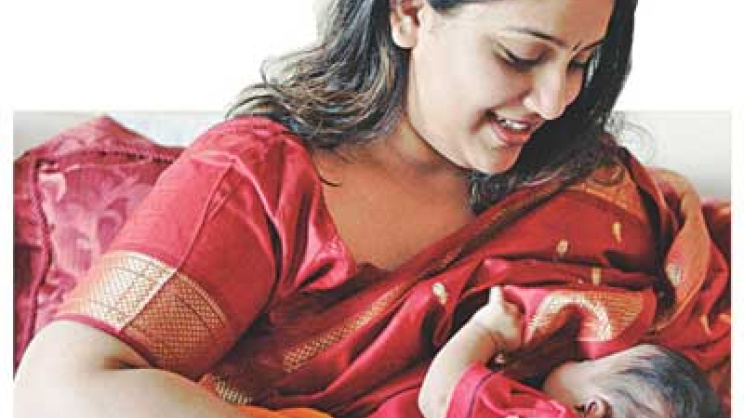
Breast milk: A unique food for the infant
Breast milk is a natural source of nourishment for offspring, produced by the mother in mammals. It provides nutrients and other factors that are species-specific for growth and development and protection from environmental hazards, thereby ensuring the survival of the young. No other milk or milk substitute can replace a mother’s milk. The same is true of human breast milk, produced by a human mother. For the first six months after birth, a baby gets 100% of its nutrition from the mother’s milk; even water is not needed. Breast milk continues to provide 35% to 40% of nutritional requirements until two years of age. Breast milk is a safe, secure, and sustainable biological source of food for infants.
Cow’s milk, goat’s milk, and varieties of formula milk, including infant formula, toddler and growing-up formula, anti-colic formula, lactose-free formula, etc., are available to buy with money, whereas human milk, which is also a natural food, is almost entirely invisible in the food system worldwide from an economic point of view, even though 6% of the world’s population consists of children aged 0 to 36 months.
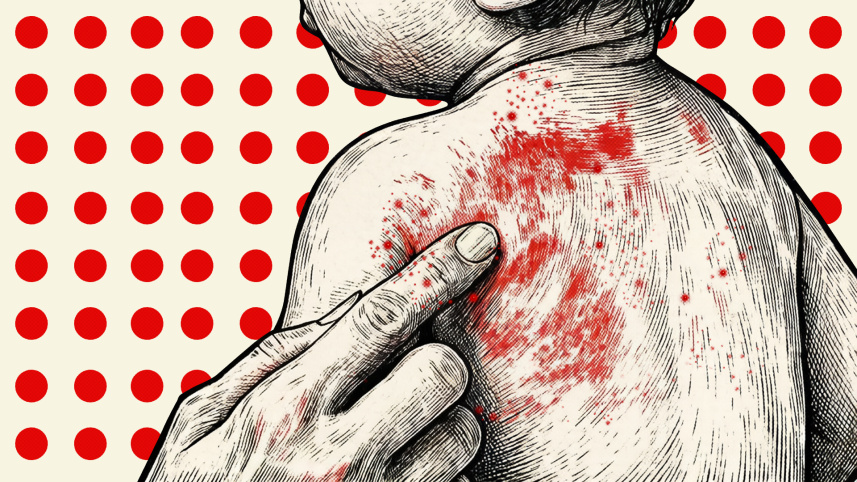
Norway pioneered the calculation of breast milk production using national birth records, breastfeeding data, and the physiological value of infants’ daily milk intake. The annual production of breast milk by Norwegian mothers has now been included in national food statistics for over two and a half decades. In the official document, it is mentioned as ‘morsmelk’ (the Norwegian word for mother’s milk). During 2018–19, the estimated total amount of breast milk fed by mothers to infants aged 0 to 24 months was, on average, 10.1 million litres per year.
The worth of breastfeeding can never be measured simply by the volume of milk, but this calculation has strategic significance as a step towards improving breastfeeding rates and national awareness. Thus, women’s contribution to the infant food supply is acknowledged in the national food system.
Breast milk is a bioactive food that contains living cells, microbiota, anti-infective substances such as cytokines, lysozymes, and antibodies, along with nutrients. Because of its unique anti-infective properties, the first secreted milk, colostrum, is called the first vaccine for the infant. Breastfeeding reduces the incidence of diarrhoea, pneumonia, malnutrition, etc., and, in the long term, reduces the risk of diabetes, asthma, and allergies, while also improving cognition. It reduces the incidence of breast and ovarian cancer and hypertension in mothers and suppresses ovulation, thereby playing a role in birth spacing.
Breast milk is a dynamic fluid, and its components change during feeding, helping to maintain nutritional balance and prevent overweight. When a baby starts to suckle, the more diluted, sugar-rich foremilk quenches thirst. Hindmilk, which is rich in protein and fat, satisfies hunger and supports optimum growth and brain development. Breast milk also changes over the course of the day. Melatonin, a hormone that induces sleep, is higher at night, while glucocorticoids, which help keep the baby alert, are higher in the morning, thereby helping to balance the baby’s sleep–wake phases.
Beyond these, breastfeeding is a process of psychobiological interaction between the mother and the baby. A baby’s touch, suckling, and even crying send signals to the mother’s brain, which activate the neurohumoral process of milk secretion. On the other hand, the mother’s touch, warmth, eye contact, and voice during feeding reduce stress in the baby, create a secure attachment with the mother, and shape the baby’s emotional development.
Breastfeeding costs very little beyond adequate rest, nutrition, and support for the mother. In contrast, when a baby is not breastfed, families have to bear the expenses of infant formula, fuel to prepare feeds, and the cleaning of feeding equipment. These costs often increase with the addition of healthcare expenses related to formula feeding, including those arising from infections, malnutrition, etc. There may also be increasing financial pressure, which can lead to feeding diluted formula along with rice powder and cow’s milk, resulting in malnutrition.
Discarded aluminium foil and plastic feeding equipment pollute the environment. Moreover, increased household energy use, as well as the production, transportation, and preparation of formula, all contribute to global warming, which in turn increases health hazards.
Breastfeeding: History of decline and steps to protection
Breast milk was valued as a vital, sacred fluid for children up to two to three years of age in ancient civilisations and religious scriptures, and is still universally acknowledged as the first food for infants, irrespective of country, culture, or religious belief. WHO recommends the initiation of breastfeeding within the first hour of birth, exclusive breastfeeding for the first six months of life, and continued breastfeeding for up to two years, along with complementary food introduced after the completion of six months of age. Through long-running campaigns, there has been increased public awareness about the benefits of breastfeeding.
Despite recognition, recommendations, and awareness, breastfeeding practices have been influenced and interrupted by sociopolitical factors throughout the history of civilisation. Sometimes mothers were replaced by wet nurses, a practice that was common in affluent societies, with mothers from poor families being enslaved and deprived of the opportunity to breastfeed their own children. Sometimes breast milk was replaced by animal milk or other fluids in different sociocultural or economic contexts.
During the era of the Industrial Revolution, breastfeeding rates dropped in Europe as mothers were pushed into factories as a source of cheap labour. In the early 20th century, commercial formula milk companies entered the market, gradually making formula feeding a modern norm, starting among upper-income groups and subsequently spreading worldwide irrespective of class. Formula milk has continued to play the role of a saviour in many situations, most of which are modifiable. This resulted in increased child mortality and malnutrition.
A series of publications on breastfeeding in The Lancet shows that inadequate breastfeeding costs the world 341.3 billion dollars. On the other hand, the income of formula milk companies increased from 1.5 billion dollars to 55 billion dollars over the last four decades. They spend billions on advertising and nutrition research, mostly on the fortification of infant formula, successfully increasing the number of consumers by taking advantage of weaknesses in the system.
A series of publications on breastfeeding in The Lancet shows that inadequate breastfeeding costs the world 341.3 billion dollars. On the other hand, the income of formula milk companies increased from 1.5 billion dollars to 55 billion dollars over the last four decades. They spend billions on advertising and nutrition research, mostly on the fortification of infant formula, successfully increasing the number of consumers by taking advantage of weaknesses in the system.
To protect children’s health from the hazards of widespread formula feeding, in 1981, the World Health Assembly published the International Code of Marketing of Breast-milk Substitutes (BMS), known as ‘the Code’, which set out rules defining the responsibilities of states, health workers, and formula milk companies across the globe. In this context, through an ordinance in 1984, Bangladesh made the registration of formula brands mandatory before marketing. Finally, in 2013, the Bangladesh government adopted legislation on BMS and enacted related rules in 2017. This legal framework aims to promote, protect, and support breastfeeding; provide relevant information prior to prescribing BMS when the situation demands it; and regulate the marketing of BMS strictly.
Across the world, 32 countries regularly take action when the BMS Code is violated, 41 countries occasionally take action, and in 50 countries, violations are a regular phenomenon that is often overlooked. Bangladesh launched the Baby-friendly Hospital Initiative (BFHI) in 1992, a joint framework of WHO and UNICEF, with the aim of training health workers, counselling mothers during the antenatal and postnatal periods, initiating breastfeeding within the first 60 minutes after birth, assisting mothers in continuing breastfeeding, and ensuring compliance with the BMS Code. The Bangladesh Breastfeeding Foundation (BBF) plays a role in policy advocacy and capacity-building for promoting and sustaining breastfeeding through the training of physicians and health workers, establishing community support groups, building awareness through campaigns, and providing online courses. Many other NGOs also conduct routine activities related to breastfeeding.
Breastfeeding in Bangladesh
According to the BDHS 2022 report, the rate of early initiation of breastfeeding is 40%, while that of exclusive breastfeeding is 55%. WHO’s revised target for exclusive breastfeeding is 60%, to be reached by 2030. Statistically, Bangladesh is in close proximity to the target, but factors such as maternal age, parity, educational and economic status, and urban or rural residence affect the rate.
With some exceptions, before giving the baby to the mother, relatives take the baby, and the first hour is taken up by rituals and celebrations, after which the baby falls asleep. It may then become difficult for both the mother and the baby to initiate breastfeeding. Mothers who are compelled to enter motherhood before the end of childhood struggle during this period. After a caesarean section, the initiation of breastfeeding may be delayed. During the first two to three days, a small quantity of concentrated colostrum is secreted before the milk flow starts, which meets the needs of the baby. Parents become worried about the baby’s crying. Crying is the baby’s language for communicating. Babies cry not only when they are hungry but also because of soiled nappies, feeling hot or cold, a bloated abdomen, or illness. A breastfed baby may pass watery stools several times a day or even only once a week. However, due to a lack of awareness and gaps in knowledge, as well as a lack of access to health facilities, the family may decide that the reason for these complaints is insufficient milk, intolerance to the mother’s milk, etc.
Another issue arises when a mother has to resume her job, leaving behind a very young baby. Already under stress, she may find that breastfeeding begins to fail. The stress of the job and separation from the baby can also reduce breast milk production. Counselling on expressed breast milk does not always work out amid the daily race to reach the workplace after managing household chores. Having a baby and asking for time to feed the baby can be treated as requests for personal privileges and can sometimes even become a cause of harassment. In patriarchal societies, childcare is, by default, considered the duty of the mother. She nurtures a member of the family while also caring for other members. In the case of ‘housewives’, maternity leave is beyond imagination, irrespective of economic class, as their work is not considered income-generating, despite encompassing reproduction and the maintenance and care of family members. In other words, she takes care of the ‘workforce’ that contributes to the economy. In many cases, her rest and nutrition are compromised. Therefore, she may not be able to manage the time and energy required to breastfeed and starts searching for alternatives.
In all of these situations, families mostly take steps on their own, without any consultation, and the solution is available at their doorstep, even in the hospital immediately after birth. Anyone just needs some money to buy a ‘breast-milk substitute’, which is available even in village grocery shops just like other goods. Attractive containers or packages and labels displaying nutritional values prominently can make these products more appealing than following breastfeeding counselling, if parents have ever had the opportunity to receive such counselling in the first place. For working mothers, it can seem like a relief.
The decisions of parents and families regarding infant feeding are influenced largely by the market through advertisements, social media, online shops, etc. These decisions are supposed to be strongly guided and supported by policy, implemented through the health workforce and other related sectors, to ensure the conditions that could facilitate breastfeeding. Therefore, to identify the gaps, it is time to revisit the approaches used to support breastfeeding from a practical perspective. How many physicians or health workers receive training throughout the country, and how many of them, after receiving a certificate, have the opportunity to apply that training within the time available alongside patient consultations? How many hospitals under the BFHI routinely have designated manpower to continue supporting breastfeeding alongside other clinical activities?
How many mothers in the country receive antenatal breastfeeding counselling when only 41% have the four antenatal visits recommended by WHO, with disparities between urban and rural areas and across wealth quintiles? After counselling, how many mothers have the capacity to understand the advice and the facilities and support needed to act upon it? How is the effect of counselling shaped by background conditions such as age, educational status, family support, nutrition, economic security, and maternity leave? How many working women have access to paid maternity leave that enables them to exclusively breastfeed for six months, or paid breaks and a crèche at the workplace that enable them to breastfeed?
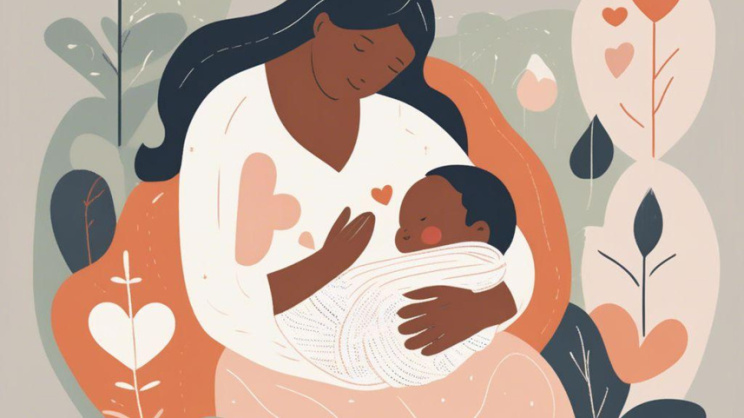
With rare exceptions, breast milk is the universal food for human babies. In certain conditions, such as severe maternal illness, psychiatric or psychological issues, when the mother is undergoing chemotherapy or treatment with radioactive agents, or when she has infections requiring isolation from the baby, it may be advised to stop breastfeeding temporarily. Even with some infections, babies can have expressed mother’s milk or milk from other lactating women. For these emergencies, BMS can be manufactured under central regulation and made available by prescription. Other than in these circumstances, almost all mother–baby pairs are eligible for breastfeeding. In South Asia, Sri Lanka has an exclusive breastfeeding rate of 82%, while African countries such as Burundi (83%) and Rwanda (82%) also have high rates, revealing that this is possible.
Every country has different sociopolitical circumstances, but the basic conditions needed to protect breastfeeding are the same. ‘Breastfeeding for a sustainable start of life: Strengthen what works’ is the theme of Breastfeeding Week this year. We know what works, and this is where the role of the state becomes crucial. We must also look beyond mothers and stop blaming them.
Dr Banani Chakraborty is a paediatrician. She can be reached at cbanani24@gmail.com
Send your articles for Slow Reads to slowreads@thedailystar.net. Check out our submission guidelines for details.
Fidel Castro at 100 / Why Fidel Castro’s legacy still haunts Washington
Thirst in the Sundarbans: The water crisis facing Munda women

Which female-dominated jobs are actually the most exposed to AI?
What remains of Bangladesh's fading ethnic traditions
Good intentions are not enough: Why Bangladesh should rethink orphanages

Are we eating microplastics with our fish?

The invisible Mintis of Karwan Bazar
Republic of the footpath

The dreams of girls in a Bangladesh river char