Good intentions are not enough: Why Bangladesh should rethink orphanages

While working in Liberia between 2013 and 2014, I had the opportunity, together with my colleagues, to support the government in implementing its deinstitutionalisation policy. The initiative had several components—reuniting children living in institutions (locally known as “missions”) with their families, providing parents with start-up capital and basic business training, strengthening positive parenting skills, and connecting families to essential services.
The results were encouraging. Children who had been separated from their families were able to return home, enrol in local schools, and grow up within their communities. Previously, many parents had sent their children to mission schools, believing this was the only way they could access education. What they often did not realise was that the quality of education was poor, and the living conditions in these institutions were no better than those in their own homes.
Poverty, disability, conflict, natural disasters and social exclusion are among the primary drivers of institutionalisation. For many struggling parents, placing a child in an institution appears to be the only way to secure access to education, healthcare or other basic services. Children from ethnic minority communities, children with disabilities, children living with HIV, and children born outside marriage are particularly vulnerable to institutionalisation. Globally, between 80 and 96 per cent of children living in institutions have at least one living parent. In many cases, they could remain safely with their families if those underlying challenges were adequately addressed.
People who establish orphanages or residential institutions for children, and those who generously support them, are undoubtedly motivated by compassion. Their intention is to provide vulnerable children with a safe and better future. Yet an important question deserves greater public attention: Is institutional care really the best way to help children, or could it be causing unintended harm?
For decades, orphanages have been viewed as a charitable response for children who have lost parental care. However, research from around the world tells a different story. Evidence increasingly shows that children thrive not in institutions but in nurturing family environments.
The hidden cost of institutional care
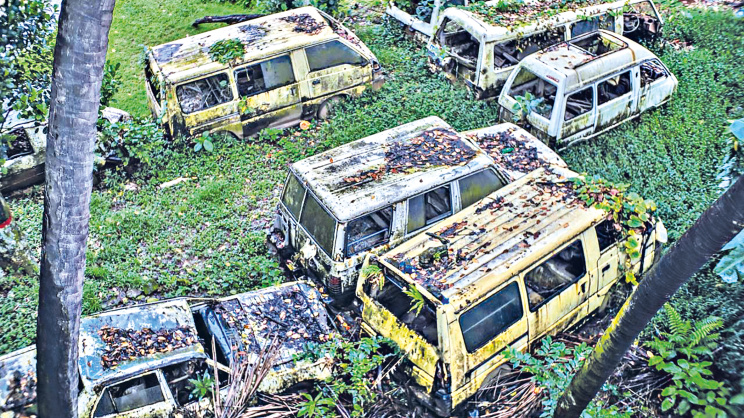
Research consistently shows that institutionalisation has profound and lasting consequences for children’s physical, cognitive and emotional development. According to Kevin Browne’s The Risk of Harm to Young Children in Institutional Care (2009), babies and toddlers who spend more than six months in institutional care without appropriate support may never fully recover from its developmental impacts. The consequences often extend well beyond childhood. Young people leaving institutions are significantly more likely to experience poverty, mental health problems, homelessness, substance misuse, high-risk sexual behaviour and involvement in crime.
Save the Children’s report, Keeping Children Out of Harmful Institutions: Why We Should Be Investing in Family-Based Care (2009), concludes that institutions are neither the safest nor the most appropriate place for children to grow up. Children living in institutions face heightened risks of violence, abuse, neglect and trafficking. Disturbingly, harm may also come from those entrusted with their care—including staff members, volunteers, officials and visitors. Such cases have been documented in countries across the world.
In many countries, childcare institutions operate with little regulation, making it possible for almost anyone to establish one. As a result, institutional care can become a business model rather than a child protection response. In Nepal, for example, around 90 per cent of orphanages rely entirely on foreign funding. Some institutions actively recruit children because their funding depends on the number of children they accommodate. I witnessed a similar dynamic in Liberia. When the government began implementing its deinstitutionalisation policy, many mission authorities resisted the initiative because they feared it would threaten the livelihoods of their staff.
Every child has the right to grow up in a safe and caring family environment. Even the best-managed institutions, established with the noblest intentions, cannot replace the love, stability and consistent relationships that children need to develop secure emotional attachments. Supporting families before separation occurs should therefore be a priority. This support may include cash transfers, parenting education, day-care services, professional social work support, and better access to healthcare and education.
Unnecessary institutionalisation of children in Bangladesh
Various NGOs and international agencies estimate that Bangladesh has between four and five million orphaned children. However, this figure includes many children who have either a living mother or a living father. According to reports based on data from the Department of Social Services, Bangladesh has 85 government-run “Shishu Poribar” institutions with accommodation for approximately 10,300 children. In addition, around 4,000 privately operated orphanages and residential child care institutions exist across the country. Yet these figures do not tell the whole story because Bangladesh still lacks a comprehensive national database covering all residential care facilities.
Conditions in many orphanages and residential care facilities in Bangladesh remain far from ideal. Shortages of nutritious food, trained caregivers, educational materials and healthcare services are common. Media reports have repeatedly highlighted cases of neglect, abuse and violence within such institutions.
In Bangladesh, poverty, family breakdown, disability and inadequate social protection compel many families to place their children in institutions so that they can secure education, healthcare or other basic necessities. But poverty alone should never justify separating a child from his or her family. Instead of removing children, we should remove the barriers that prevent families from caring for them.
Institutions should be the last resort
We must recognise that families are not always safe places. Some children experience violence, abuse, neglect or exploitation within their own homes. Some parents also cannot support their children, even if they want to. When parents are unable or unwilling to protect their children and provide food, healthcare, education and a nurturing environment for their development, the state has a responsibility to provide appropriate family-based alternatives. These include kinship care, foster care, small group homes and, where appropriate, adoption. Decisions about placing a child in alternative care should always be based on a comprehensive assessment of the child’s individual circumstances and the available options. The child’s own views should be heard, and the principle of the best interests of the child must guide every decision. Whatever form of alternative care is chosen, effective regulation, monitoring and accountability are essential.
These principles are reflected in the UN Guidelines for the Alternative Care of Children, adopted by the United Nations General Assembly on 18 December 2009 (Resolution A/RES/64/142). The Guidelines are built around two fundamental objectives, which include preventing unnecessary separation of children from their families and ensuring that any out-of-home care is safe, appropriate and tailored to each child’s needs. They complement the United Nations Convention on the Rights of the Child by providing practical guidance for protecting children who have lost parental care or are at risk of losing it. International standards are clear: institutional care should be the option of last resort. When placement in a residential facility is unavoidable, it should be temporary and provided in a small, family-like environment that meets recognised quality standards.
The Guidelines also provide governments with a roadmap for strengthening national child protection systems. This includes reforming laws and policies, investing in a skilled social service workforce, allocating adequate resources, establishing minimum standards of care, and creating robust monitoring and accountability mechanisms. Countries such as Indonesia, Georgia and Liberia have used the Guidelines to reform their care systems and gradually shift away from unnecessary institutionalisation towards family-based care.
Many countries are now investing heavily in preventing unnecessary family separation by strengthening social protection systems, providing direct assistance to vulnerable families, and expanding family-based alternative care. Where residential care continues to exist, there is a growing shift away from large institutions towards smaller, family-like settings.
Rethinking our priorities
The Children Act 2013 focuses on creating a comprehensive alternative care system for children in Bangladesh who cannot safely remain with their parents. Before placing a child in institutional care, the authorities are required to consider the family’s circumstances and determine the arrangement that best serves the child’s best interests. However, these provisions are yet to be implemented, and children continue to be placed in institutions without proper assessment.
Bangladesh’s continued dependence on institutional care reflects a significant weakness in the country’s child protection system. While global evidence and international child rights organisations advocate family-based care, our practice still leans heavily towards institutional solutions. This gap needs urgent attention.
Institutional care continues to enjoy widespread public support and remains the most heavily funded form of alternative care in Bangladesh. Research from several African countries suggests that institutional care costs between six and ten times more than supporting children within their own families. Investing in family-based care is therefore not only better for children but also represents a far more efficient use of resources.
Having worked on alternative care reforms in several countries, I have repeatedly observed that awareness of the harmful effects of institutionalisation remains limited—not only among parents and community members but also among government service providers and the general public. There is a need for greater awareness in this regard. All concerned must understand that their “misguided kindness” is harming children.
Government, development partners, the private sector, philanthropists and local communities all have a role to play in strengthening family-based care systems. If our goal is to improve children’s well-being, our investments should focus on helping families stay together—not on building more institutions. The availability of funding should not automatically translate into constructing additional orphanages. Unfortunately, however, that seems to be the prevailing tendency.
Practical measures, including cash assistance, positive parenting programmes, day-care services, social work support, and improved access to education and healthcare, could prevent unnecessary institutionalisation of children. For children who have already been separated from their families, every effort should be made to reunite them whenever this is safe and in their best interests.
The Bangladesh Government should now ask itself some difficult but necessary questions. Are we investing enough to strengthen vulnerable families before separation occurs? Are we building a diverse, well-regulated system of family-based alternative care within a functional child protection system? Are we investing in the best interests of the child—or simply in the survival of institutions?
Before deciding to donate to an orphanage, we should ask: Could this same support help a child remain safely within a nurturing family environment? If the answer is yes, then perhaps our greatest act of compassion is not to donate to the institution but to support families so that children never have to leave them in the first place.
Laila Khondkar is an international development worker.
Send your articles for Slow Reads to slowreads@thedailystar.net. Check out our submission guidelines for details.
Between Gabura and India: Work, loss and unequal choices
Fewer fish, higher costs: The struggle of Bangladesh’s Hilsa fishermen

Duli to Baaji: Whose gaze shapes indigenous representation?
The everyday resistance of Rohingya women the world rarely sees

The banyan tree that became a restaurant for birds

What did we ask about Mariam while she was still alive?
Why Dhaka cannot simply ban the rickshaw
The elephants had to be rescued again. Where is the accountability?
‘Situation under control’, but at whose expense?