


Probe blames Asif Nazrul, interim govt for Bangladesh’s World Cup miss
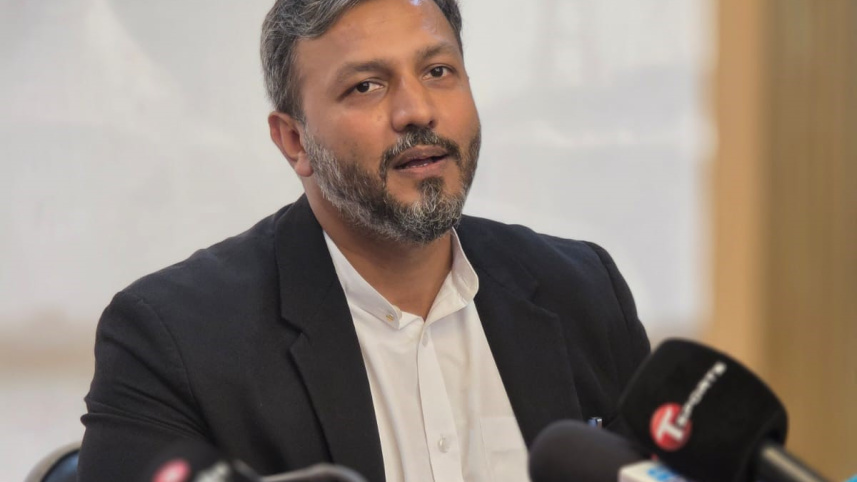
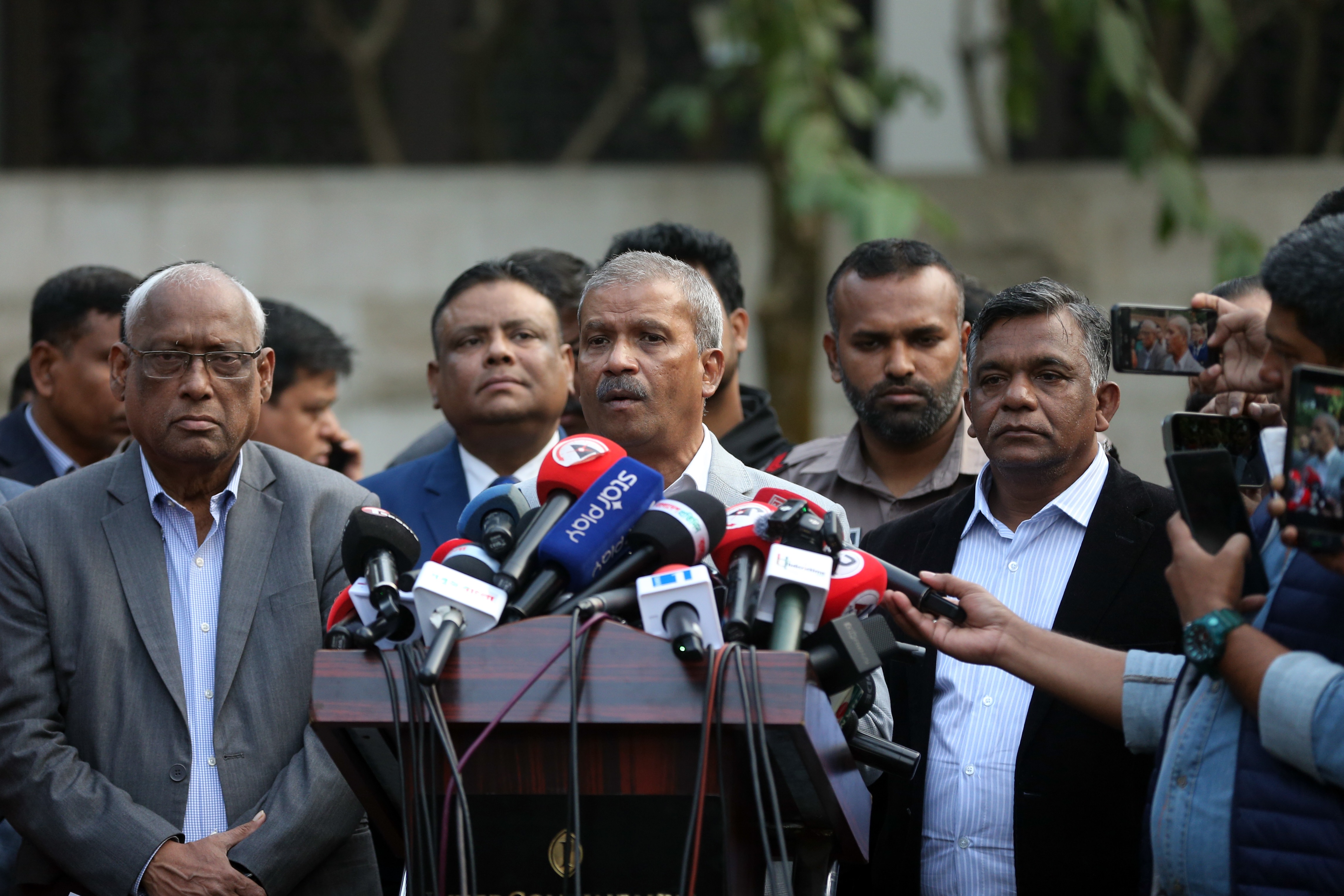
More than four months after the National Sports Council (NSC) formed a three-member committee to investigate Bangladesh's absence from this year's ICC Men's T20 World Cup, the committee published its report on Tuesday.
The 22-page report stated political tensions between India and Bangladesh, the International Cricket Council's (ICC) refusal to shift the venue and government intervention had a “very high” impact on the decision, while the BCB's failure in negotiations had a “high” impact. A breakdown in communication was rated as having a “medium” impact.

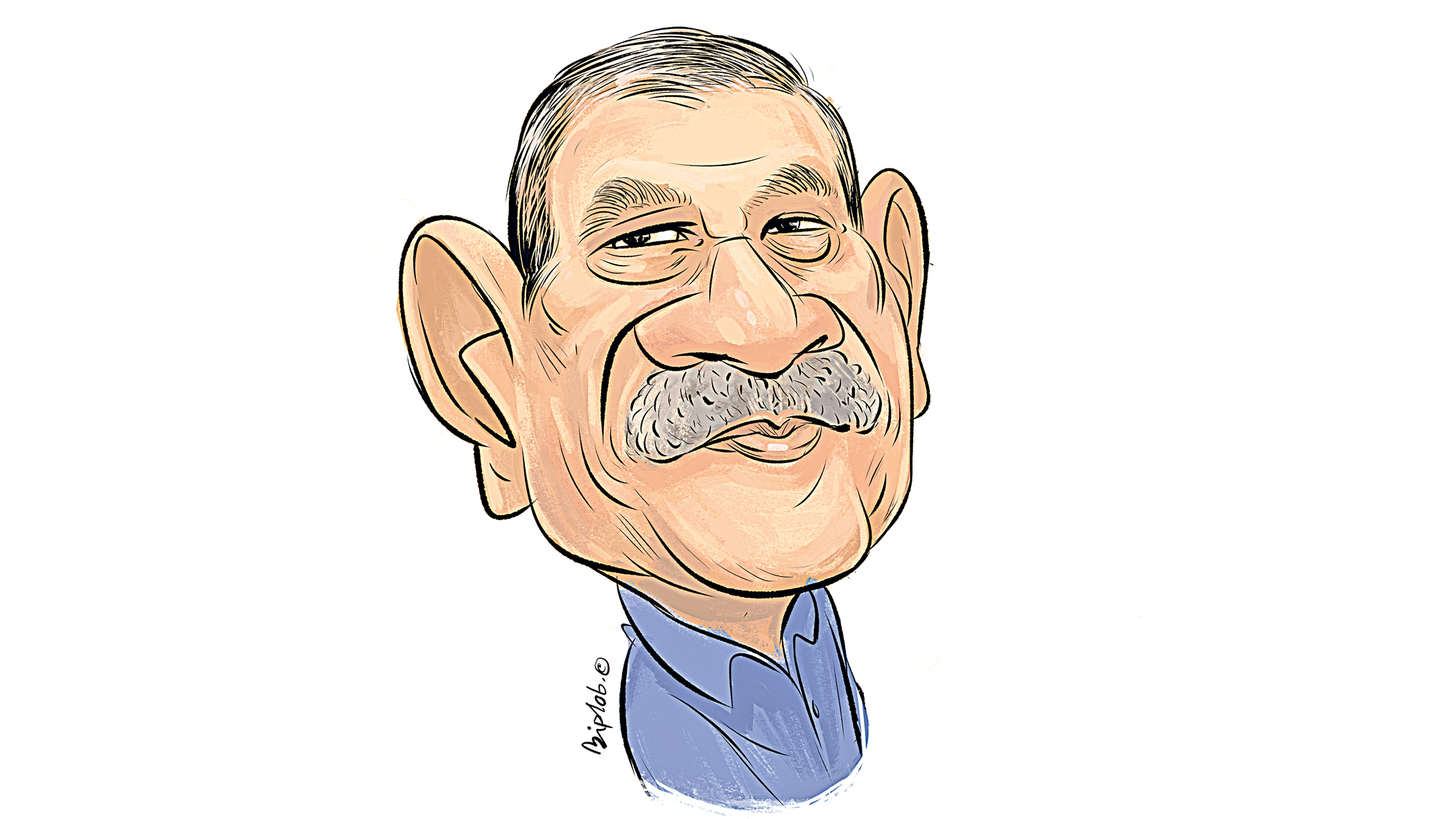
But the question of who was ultimately responsible dominated Tuesday's press conference at the NSC meeting room. After initially appearing reluctant to name an individual, the committee eventually pointed to Dr Asif Nazrul, then Sports Adviser in the interim government.
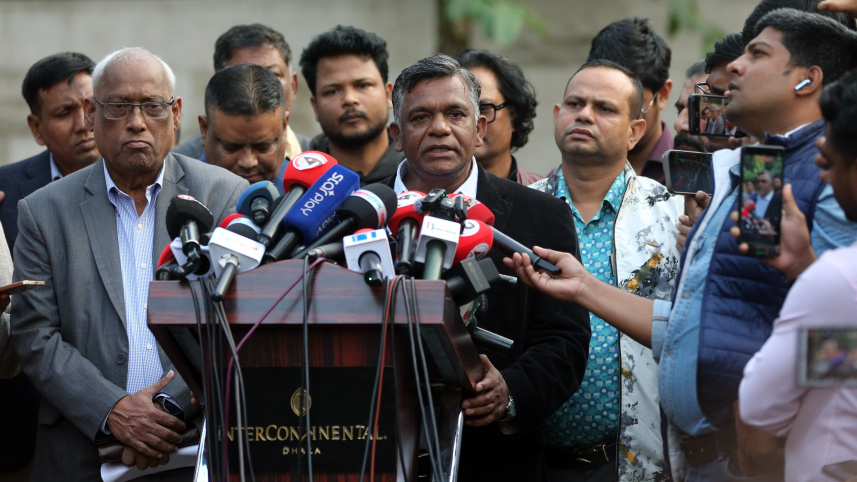
“Based on media reports and after talking to the experts, we came to the conclusion that the person responsible was Dr Asif Nazrul, who was in the [interim] government at the time, and that the government was responsible,” committee member Faisal Dastagir told reporters.
The committee, headed by Dr A K M Oli Ullah, additional secretary of the Administration Sub-division at the Ministry of Youth and Sports, and comprising former Bangladesh captain Habibul Bashar Sumon and Supreme Court lawyer and sports organiser Barrister Faisal Dastagir, acknowledged, however, that it had failed to obtain statements from two key figures -- then-BCB president Aminul Islam Bulbul and Asif Nazrul.
It also admitted that it did not contact the ICC while preparing the report, raising questions about the basis of some of its findings.
The committee said the biggest tragedy was that players and fans suffered most from Bangladesh's absence and concluded that Bangladesh “should have gone and participated in the tournament”.
Its recommendations included keeping cricket separate from political disputes, strengthening the BCB's independence, improving crisis communication, prioritising players' welfare and security, and creating a national sports diplomacy framework.
The report included statements from several key figures, including current Bangladesh captains Najmul Hossain Shanto and Litton Das and BCB president Tamim Iqbal. All three reportedly held Asif Nazrul responsible for Bangladesh's failure to participate.
Shanto called Asif Nazrul the “sole decision maker”, although he was unsure who else had backed the decision. Litton described the government's decision as “preplanned” and “one-sided”, saying the players were merely spectators in a political dispute between the neighbouring countries.
Tamim said the security concerns were an excuse and that the decision was driven by the Sports Adviser's ego.
“Personal grudges powered by another country's opinion should not be the factor in destroying the dreams of players and people of Bangladesh,” Tamim was quoted as saying in the report.
Asif Nazrul said after the press conference that he had never denied making the decision, which he said was based on “the dignity of the country, the safety of our cricketers, journalists and supporters” and stability ahead of the election.
“The decision not to travel to India for the T20 World Cup was primarily mine as the sports minister at the time,” Asif Nazrul wrote on Facebook, questioning why the Sports Ministry “felt the need to investigate the matter and publish its findings after so long”.
The BCB had cited security concerns and interim government directives when deciding against sending the team to India, despite players reportedly wanting to participate.
The standoff began on January 3, when Bangladesh pacer Mustafizur Rahman was released by Kolkata Knight Riders following BCCI directives, and continued despite discussions between the BCB and ICC. Neither side changed its position, ultimately costing Bangladesh their place at the World Cup.
 For all latest news, follow The Daily Star's Google News channel.
 State Minister for Youth and Sports Aminul Haque announced in March that a probe would be formed into the non-participation.
Comments