


Argentina were World Cup’s most targeted team online, says FIFA report
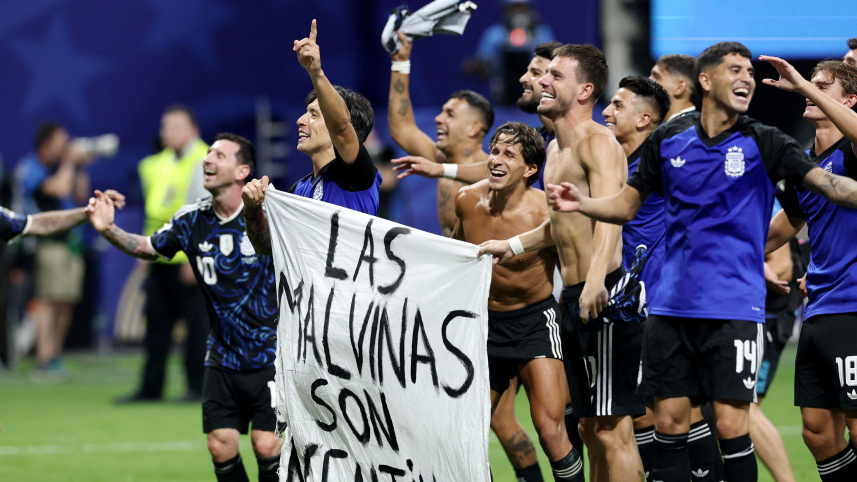
Argentina were the most targeted national team on social media during the 2026 FIFA World Cup, with accusations of referee favouritism, corruption and xenophobia among the main forms of abuse directed at the side, a FIFA report published on October 9 noted.
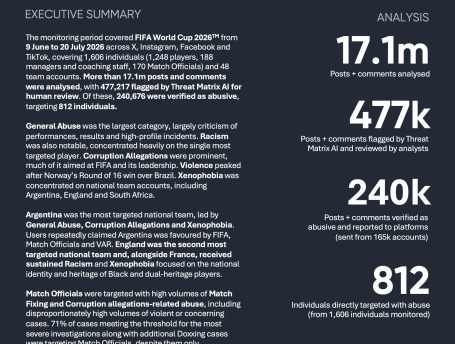
The governing body’s Social Media Protection Service (SMPS) analysed more than 17.1 million posts and comments on X, Instagram, Facebook and TikTok between June 9 and July 20. Of those, 477,000 were referred for human review, with 240,000 verified as abusive.

England were the second-most targeted team, followed by Spain, Brazil and Norway, the report found.
The findings were released on October 9, ahead of World Mental Health Day, as FIFA highlighted the scale of online abuse directed at players, coaches, team representatives and match officials during the tournament.
Abuse aimed at Argentina was largely driven by claims that the world champions received favourable treatment from referees, FIFA and the video assistant referee (VAR) system. General abuse and xenophobic comments also featured prominently.
However, the report’s findings on teams differ from its figures for individual players. Footballers from France received the most individual abuse, followed by those from England and Portugal, while Argentine players ranked fourth.
The report also highlighted the wider scale of discriminatory content surrounding the tournament. Racist comments accounted for 20 per cent of categorised abuse, while violent threats made up 14 per cent and xenophobic abuse 12 per cent.

Match officials were among the most vulnerable targets. The report found that they accounted for 71 per cent of the most severe category of abuse cases, with some subjected to doxxing -- the malicious publication of private or personal information that can expose individuals to further harassment or threats.
FIFA said more than half of the individuals protected by its social media service received at least one message classified as abusive. It also identified accounts containing severe or threatening material for further investigation, with some cases prioritised because of potential security risks.
The findings underline the scale of online hostility surrounding elite football, where allegations of bias and controversial decisions can spill over into personal attacks against those involved in the game.
While Argentina topped the list of teams targeted by online abuse, the ranking measures hostile content identified by FIFA’s monitoring service rather than the broader public’s opinion of the team.
 For all latest news, follow The Daily Star's Google News channel.
Comments