


Poor pitches, deeper problems: ASEAN Cup failure was the symptom, not the disease
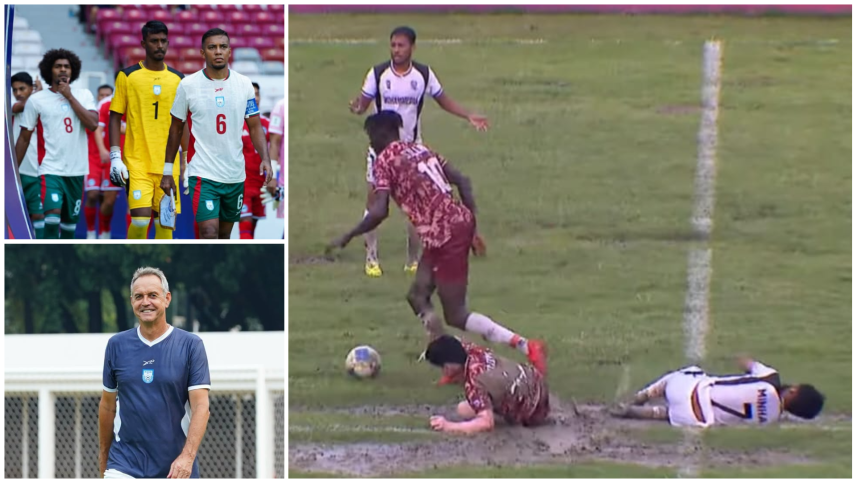
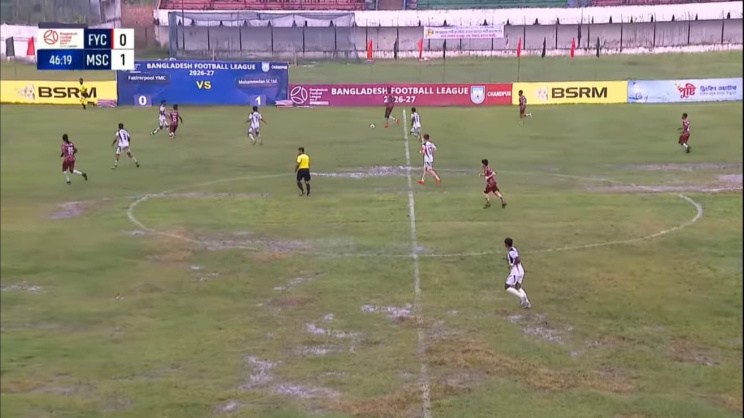
What was on display at the Chandpur District Stadium on Friday could reveal why the national football team suffered such an embarrassing defeat in Jakarta in the ongoing FIFA ASEAN Cup.
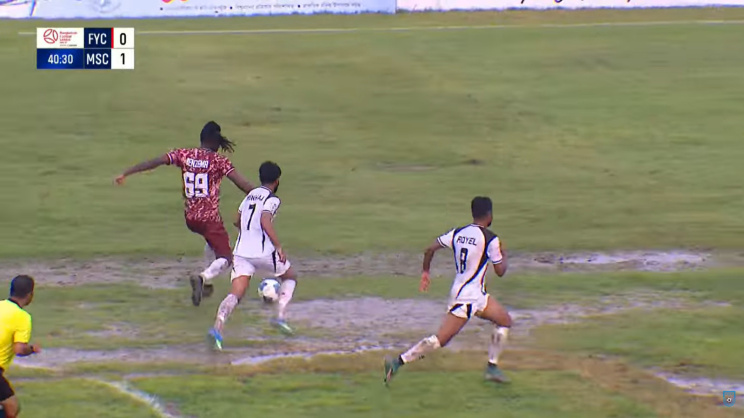
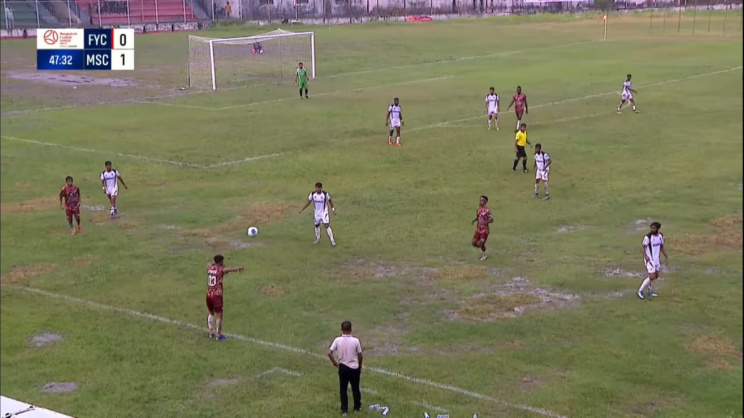
Mohammedan began their Bangladesh Football League (BFL) season with a 1-0 victory over Fakirerpool Young Mens Club, but rather than the result, the Chandpur pitch hogged the spotlight, and for all the wrong reasons. Large areas were almost without grass, while the uneven surface made basic ball control and passing difficult. For a professional football match, it was yet another uncomfortable reminder of the standard of facilities available to players.

Players were forced to negotiate an unpredictable surface throughout the match, making ball control and passing difficult. A professional league requires grounds that allow players to demonstrate their technical abilities, but pitches of this quality can affect the rhythm, quality and overall standard of football.
It was not an isolated incident; rather, it has become a regular feature of Bangladesh’s domestic football. One cannot expect much more from Bangladesh at the international level when domestic conditions remain so poor.
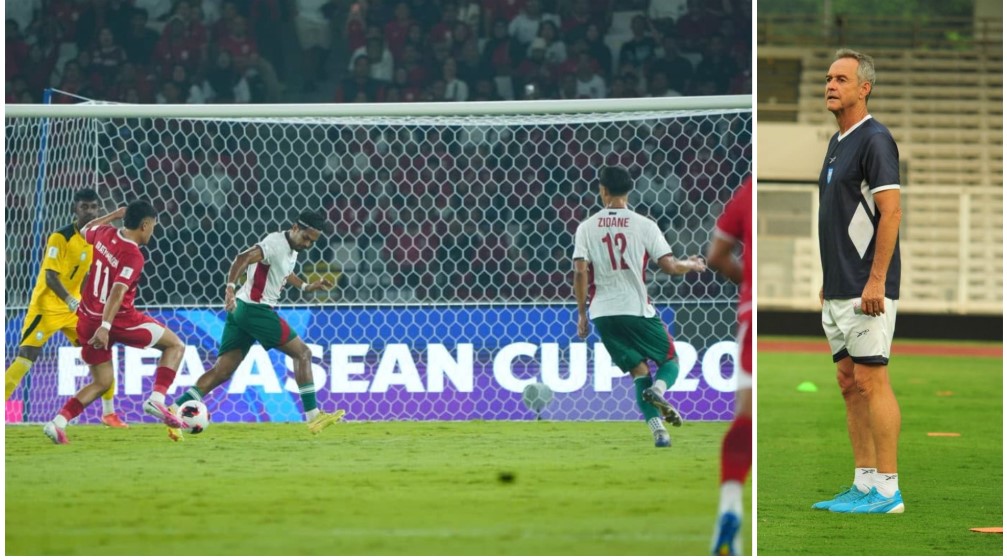
Bangladesh’s 9-2 defeat to Indonesia in Jakarta in their last group match of the ASEAN Cup was painful, but hardly surprising. Indonesia, with a growing pool of Europe-based players, were faster, stronger and technically superior. Bangladesh struggled to cope with the pace of the game, decision-making and execution.
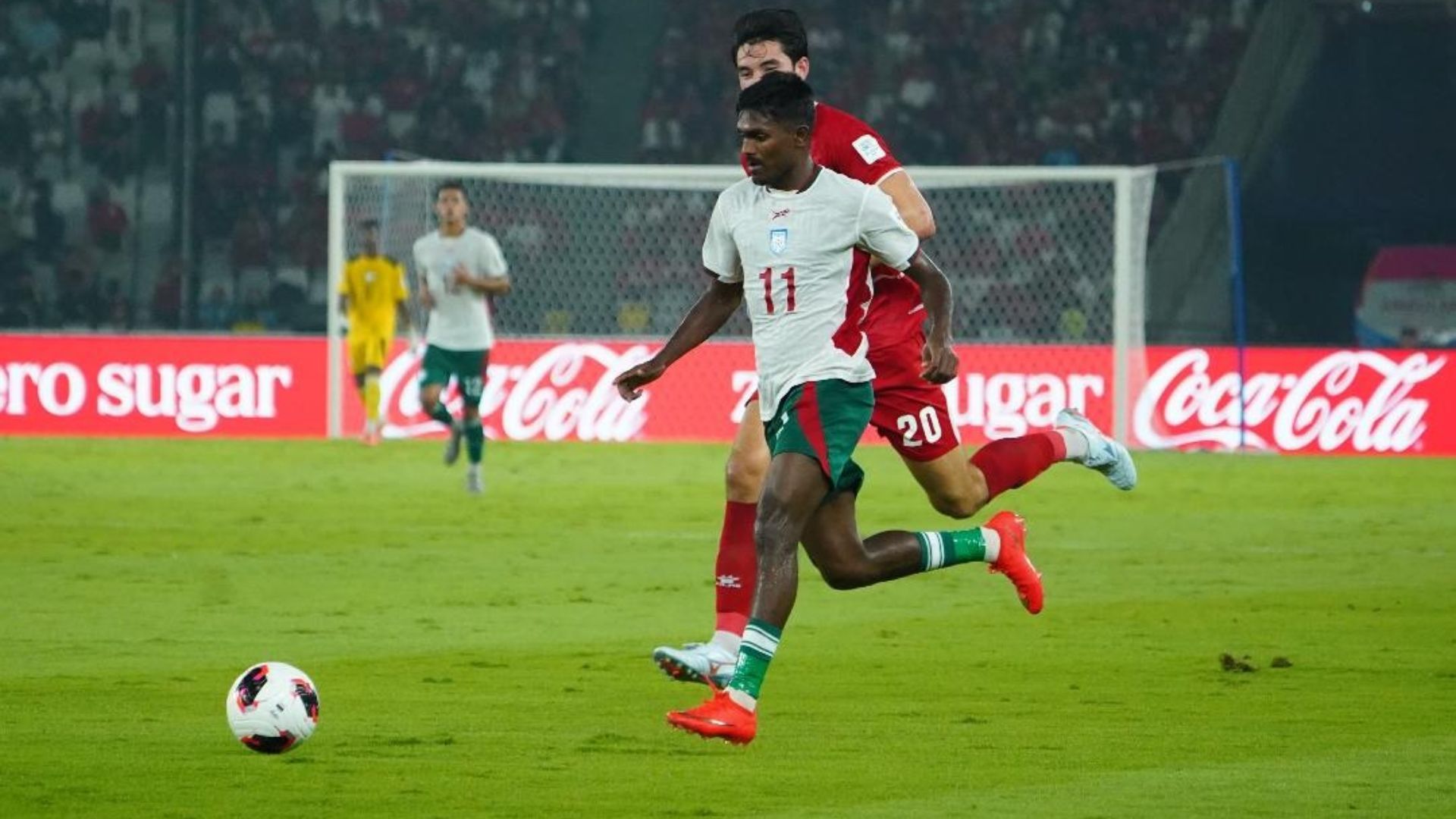
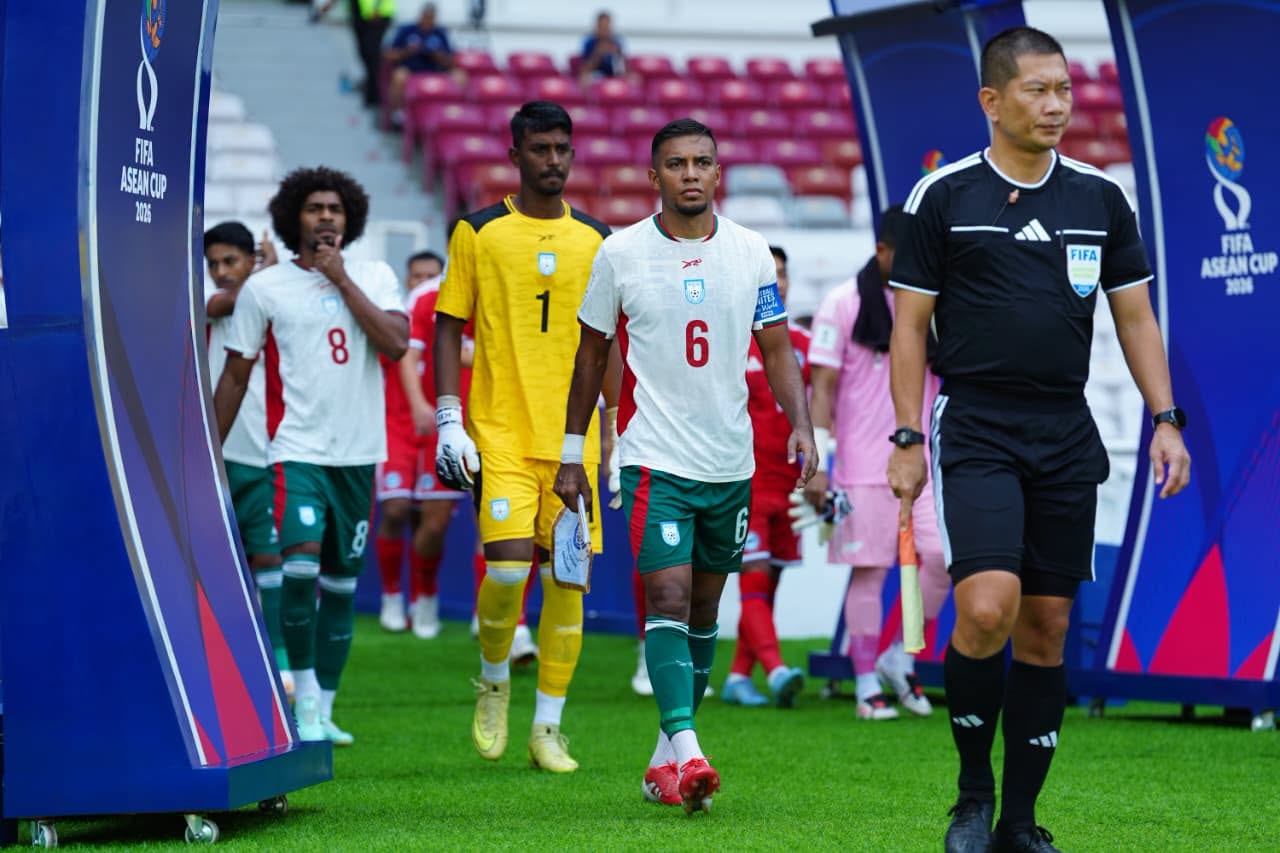
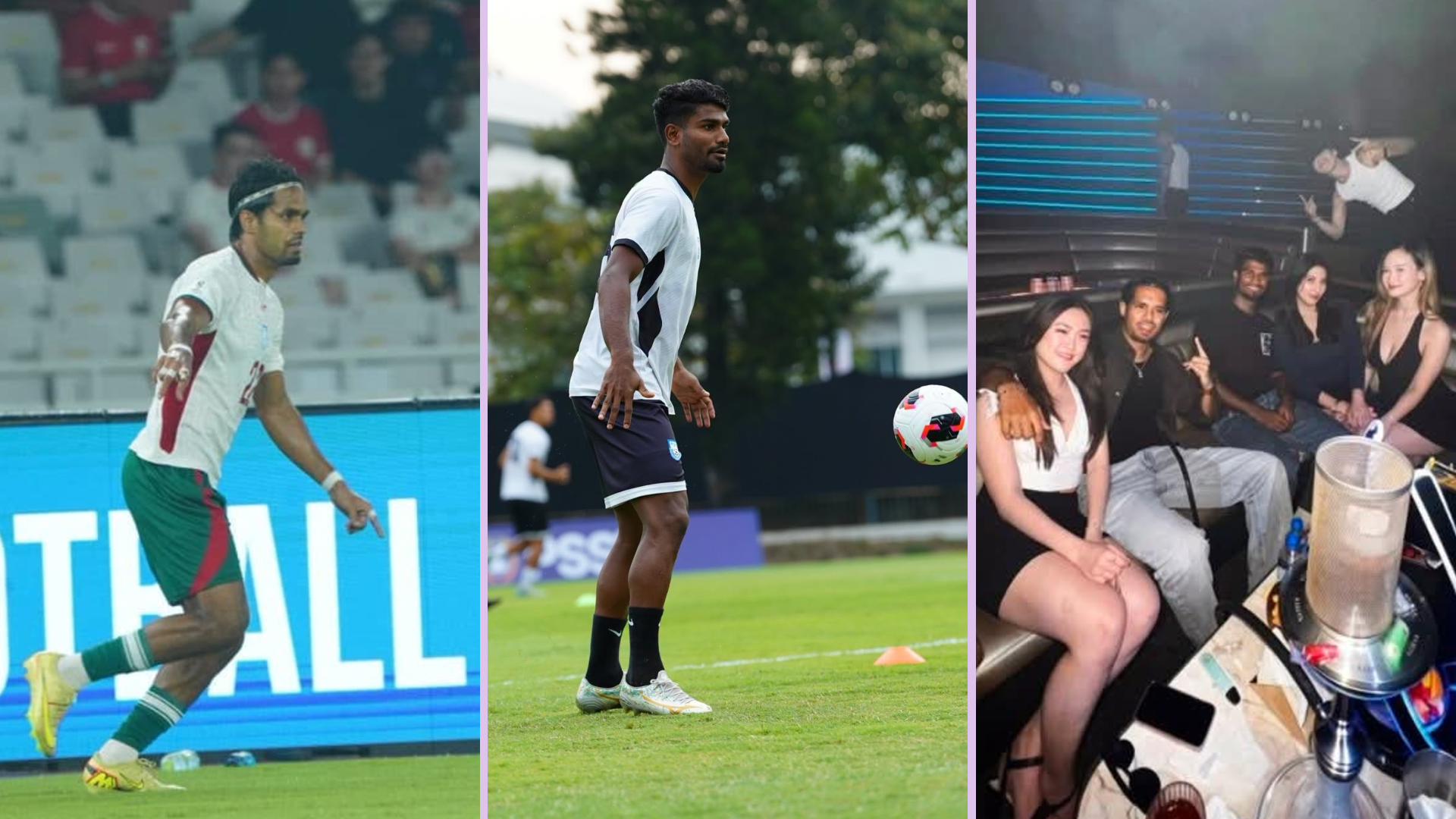
Bangladesh also have several overseas-based players in the squad, including Hamza Choudhury and Shamit Shome. But what difference can a handful of overseas-based players make if the domestic system is not in place to provide the rest with the basic football education and competitive environment required to develop at the same level?
Bangladesh head coach Thomas Dooley did not hide the underlying problem.
“You have to put 10,000 hours into football to reach the top of the leagues -- that's about three hours a day for many years. That is something we are missing in Bangladesh to reach the level of other countries.”
He added: “When you play against these teams, your thinking and decision-making are slower, and your speed is slower. Everything in football is about speed: how fast you realise a situation, how fast you execute it, and how long it takes to get the ball under control.”
Those observations are hardly new. Bangladesh’s coaches have been saying much the same thing for years. What is different this time is that the Jakarta defeat exposed the consequences on one of Asia’s biggest stages.
During an interview with The Daily Star In 2020, Bangladesh’s lone UEFA A-licence coach at the time, AKM Maruful Haque, identified the ingredients required to develop a serious football nation: proper short- and long-term planning, grassroots and youth programmes, coach education, financial investment, a competitive and uninterrupted league, and local players playing abroad.
Six years later, many of the same deficiencies remain.
 For all latest news, follow The Daily Star's Google News channel.
 The domestic league continues to struggle with poor pitches, inadequate training facilities, an unstable calendar and questions over competitiveness.
Bangladesh defender Topu Barman pointed to the problem in 2021: “How many high-intensity matches BFL offers us? It is three to four matches in each season, but the Indian Super League provides all high-intensity matches; thus their players are getting better than us.”
That is the heart of the matter. Players cannot learn to play fast if they rarely have to play fast.
A professional league should be the laboratory in which national-team players develop their technical skills, physical endurance, tactical understanding and decision-making. Instead, Bangladesh often treats the league as something that simply has to be completed.
The problem is also visible beyond Dhaka. There is little sustained football activity at the periphery, narrowing the pipeline from which national-level talent can emerge. The Chandpur episode therefore matters beyond one poor pitch. It raises a broader question: is Bangladesh providing its players with the environment required to become technically better footballers?
The clubs also share responsibility. Despite nearly two decades of professional football, many clubs remain heavily dependent on buying established players rather than building academies and youth systems.
There is another problem that cannot be ignored: football’s integrity. Betting, match manipulation and spot-fixing allegations have repeatedly damaged confidence in the domestic game. In 2025, the Bangladesh Football Federation (BFF) was investigating allegations involving three top-flight clubs after FIFA’s monitoring system flagged suspicious activity. Whether individual allegations are ultimately proven or not, repeated controversies have created a serious credibility problem for the domestic game.
The women’s game has faced many of the same structural concerns. Their coach, Peter Butler, has repeatedly questioned the competitiveness and organisation of the women’s domestic league, despite the national team possessing considerable talent and achieving notable regional success.
The current BFF administration under Tabith Awal inherited many of these problems from the previous era. But inheritance cannot become an excuse indefinitely. Since taking office in October 2024, the administration has yet to demonstrate the kind of qualitative structural changes that would justify optimism about the future of the domestic game.
The Hamza phenomenon and the attention it generated have undoubtedly helped Bangladesh football attract interest and commercial attention. But the popularity of one player cannot substitute for institutional reform.
The current BFF administration under Tabith Awal inherited many of these problems from the previous era. But inheritance cannot become an excuse indefinitely. Since taking office in October 2024, the administration has yet to demonstrate the kind of qualitative structural changes that would justify optimism about the future of the domestic game.
The BFF now needs to demonstrate measurable structural change if it wants to alter the course of Bangladesh football.
That means better pitches and training facilities, a predictable league calendar, genuinely competitive matches, stronger youth and grassroots programmes, properly equipped academies, improved coach development, sensible foreign-player regulations and a credible system to prevent and investigate match manipulation.
Most importantly, the BFF must stop treating the national team as a separate project. It must make it a principle that the national team is the product of its domestic football ecosystem.
Changing coaches cannot compensate for inadequate player development. Bringing in overseas-based players cannot erase years of developmental deficiencies. And a few weeks of national-team camp cannot reproduce the thousands of hours of training and high-intensity competition that Dooley says Bangladesh players are missing.
The Jakarta defeat was therefore not simply a bad night for Bangladesh. It was a reflection of the weaknesses in the domestic structure, laid bare in Chandpur just a day after that defeat.
Comments