


Topu Junior and Sohel Senior: Not good enough?
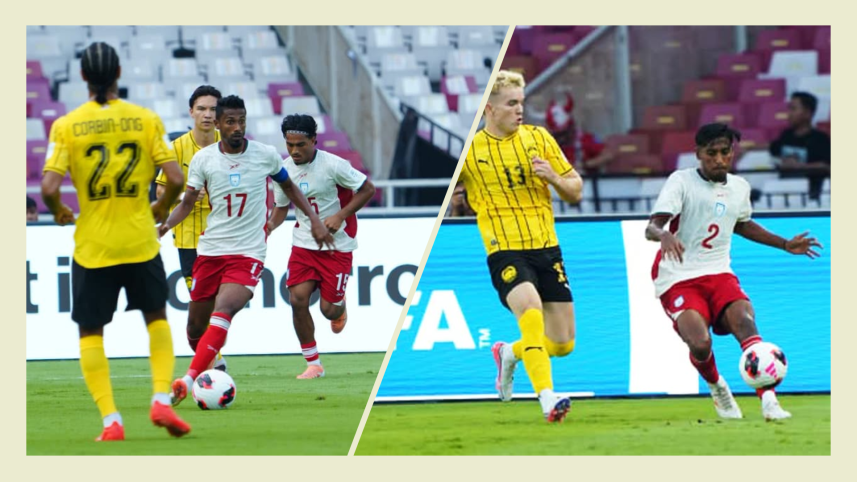
There was little surprising about Bangladesh losing 3-0 to Malaysia.
Malaysia came into the FIFA ASEAN Cup opener ranked 45 places above Bangladesh, had the stronger recent competitive record and were able to field several players accustomed to a higher level of football.

Bangladesh coach Thomas Dooley had already tried to lower expectations, stressing before the tournament that his side were there to learn and prepare for the SAFF Championship.
Thus, Friday’s result itself should not be the source of outrage. In fact, the scoreline reflected the difference between the two teams reasonably well.
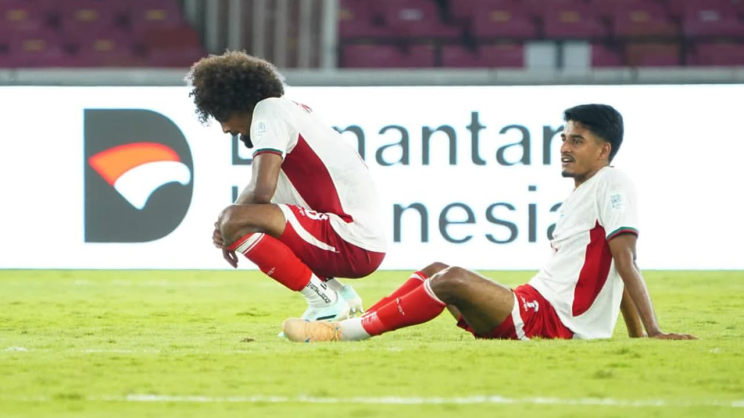
What deserves closer examination is how the goals came about, and what the match revealed about the quality of some of the players Bangladesh are relying on.
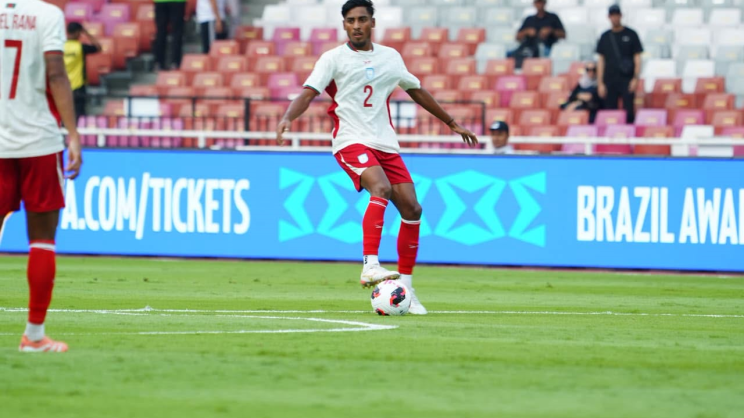
The most obvious example was centre-back Shakil Ahad Topu, or Topu Jr.
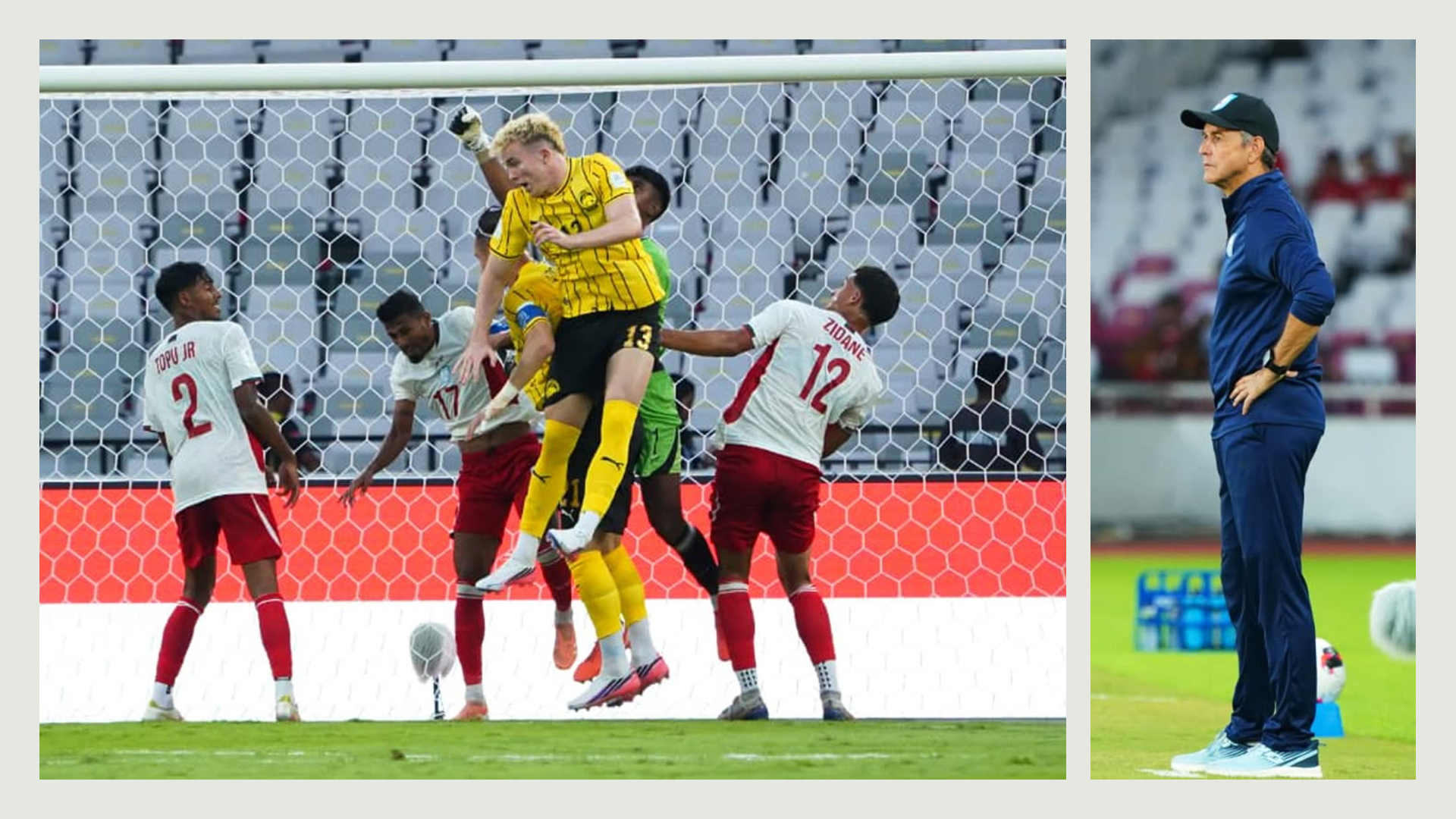
It turned into a match he will want to forget. All three Malaysia goals contained an element of defensive failure from Topu, with the first two particularly difficult to overlook.
For the opener, a ball was curled into the space behind him. Topu failed to judge its flight, did not close down Arif Aiman quickly enough and allowed the Malaysian forward to take his first touch into the ideal position before finishing through goalkeeper Mehedi Hasan Srabon.
The second was even more avoidable. Receiving the ball from his goalkeeper, Topu's first touch invited pressure. When Aiman closed him down, Topu tried to play his way out and surrendered possession. Wilkin Stuart intercepted while Sohel Rana Senior was caught watching the play develop, and Aiman was soon presented with another chance.
Then came the third. A cross floated over Hamza Choudhury and found Bergson in the danger area. The Malaysia forward controlled it, turned and finished into the corner. Topu was again slow to react and failed to apply pressure on the marksman.
What made the performance concerning was the pattern. Topu misread the first situation, failed to cope with pressure in the second and was too slow to react in the third. It was less a single bad decision than a series of moments in which Malaysia operated a step ahead of him.
Three goals do not automatically make one player responsible for a defeat. Dooley himself was reluctant to single out his defenders, instead stressing Malaysia's attacking quality.
“They have three offensive players, who are incredible with speed and quickness,” he said.
“They have unbelievable technique and very dangerous cutting in.”
That is fair. Good attackers punish mistakes. On the other hand, better defenders avoid giving them so many opportunities in the first place.
And this is where Topu's performance becomes relevant to a larger question about Bangladesh's squad.
Topu is only 20 and has already played 12 matches for the senior national team. A single bad night should not define a young player. His post-match apology on socials, in which he accepted responsibility and promised to work harder, was commendable.
But hard work and accountability do not automatically solve every footballing limitation.
The question Bangladesh have to ask is which weaknesses can realistically be developed at international level, and which may ultimately limit a player's suitability for the level the team want to reach.
 For all latest news, follow The Daily Star's Google News channel.
 Topu's problems against Malaysia involved judgement, positioning, awareness, first touch, decision-making and his ability to cope when an opponent pressed him. Those are fundamental components of a centre-back's game.
Bangladesh badly missed the more experienced Topu Barman, and his absence exposed how little margin for error there is behind the first-choice defenders. The younger Topu may develop into a useful international defender, but on the evidence of Jakarta, he is not yet someone Bangladesh can comfortably depend on against superior opposition.
There was another concern, less spectacular but equally important.
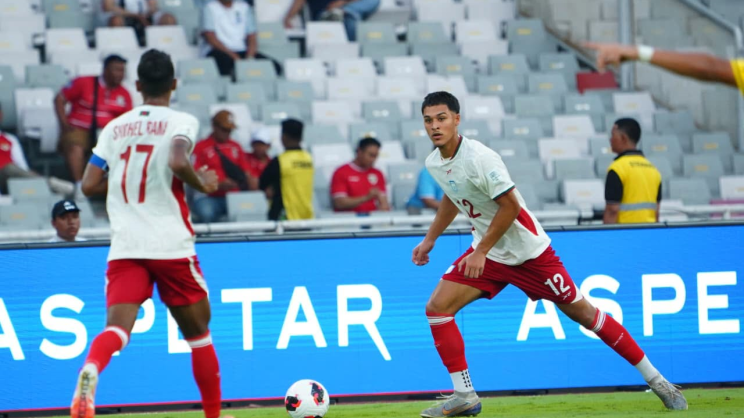
Sohel Rana's performance exposed a different limitation.
The 31-year-old defensive midfielder with 77 caps was not guilty of the obvious mistakes that produced the goals, but the Bangladesh captain’s awareness and passing decisions repeatedly interrupted their attempts to move forward. When Shamit Shome or Farhaan Ali Wahid drifted back to find pockets between Malaysia's lines, the pass needed to arrive quickly. Too often it did not.
Sohel's problem was less about one glaring error than processing the game quickly enough. By the time the obvious option became available, Malaysia had often closed it.
Even a simple five-yard pass can change the rhythm of an attack if played at the right moment; misplaced, it can invite a counter-attack.
Instead, Bangladesh's build-up became predictable and one-dimensional. They could circulate the ball and occasionally send crosses towards the box, but there was little penetration through the middle and few attacking sequences capable of producing a clear chance.
That matters because compactness alone is not a game plan.

Bangladesh were understandably cautious. A team inferior on paper cannot simply open up and trade attacks. Dooley was right to recognise Malaysia's pace and technique. But if the defensive shape is designed to prevent transitions, there must eventually be enough quality and courage in possession to create transitions of your own.
Bangladesh rarely managed that.
Fatigue was a legitimate mitigating factor. But does fatigue really come into play within the first half hour?
Dooley pointed out that some domestic-based players had not trained properly since June’s San Marino victory and had not been playing regular league football. The domestic season had been delayed, while the overseas-based players arrived later and had limited time to work with the rest of the squad.
By the second half, players were cramping and making more mistakes.
Those circumstances also make it too early to judge Dooley's tactical project after only two games. He has barely had time to establish his ideas, let alone create the cohesion required to execute them against a team of Malaysia's quality.
But there was still something jarring about seeing Topu remain on the pitch for the entire match after three defensive lapses, while Tariq Kazi was replaced by debutant Zidane Yousuf and another centre-back, Monjurur Rahman Manik, remained unused.
Dooley may have had perfectly reasonable answers. He knows his players far better than an observer. But whether keeping Topu on was an act of trust or simply a reflection of the alternatives available, it leaves Bangladesh with the same problem: the bench does not appear to offer enough solutions.
If an established midfielder is struggling to connect defence with attack, yet Jamal Bhuyan, Mohammad Ridoy or Sohel Rana Jr remain unused, the question is not simply why they did not come on. It is what Bangladesh are doing to create better options in the first place.
They need more footballers capable of operating at international speed.
That means more than running faster or passing harder. It means seeing the pass earlier, taking the touch before pressure arrives, recognising danger before it becomes obvious and making good decisions when there is no time for a second thought.
Malaysia repeatedly did those things better.
And then there was Hamza Choudhury.
Dooley himself said that for the future he wants Hamza everywhere on the pitch: “We need a Hamza in the back; we need him in the midfield, offence, defence.”
There was humour in the remark, but also an uncomfortable truth.
Hamza has given the national team a living reference point. His quality and intensity stand out because he is accustomed to a higher level of football every week. He scans, moves, presses, demands the ball and plays with a speed of thought that Bangladesh's other players often struggle to match.
His presence has raised expectations of what the national team can become. It has also made the distance between him and some of his teammates easier to see.
Bangladesh cannot build a serious international side by expecting one player to compensate for weaknesses across the pitch. The answer is not to find nine more Hamzas. It is to raise the minimum level of the players around him.
Others in the Bangladesh team also had subpar performances. But Topu and Sohel occupy positions that are crucial to the areas of the game Bangladesh need to master fastest: defending under pressure and moving the ball quickly through midfield. Their shortcomings therefore deserve closer scrutiny.
That is why the discussion around Topu Jr and Sohel Rana Sr should go beyond whether they had a bad outing at Gelora Bung Karno Stadium.
Both can still have roles in the national team. They can provide depth and improve. But if Bangladesh's ambition is to become competitive against teams of Malaysia's level and eventually make meaningful progress beyond the SAFF region, it is difficult to see either player as an unquestioned first-choice solution on the evidence currently available.
And that is not an indictment of either player.
It is a statement about the level Bangladesh are trying to reach, or, rather, the barrier they are trying to breach.
Comments