


Bangladesh held by Uzbekistan, face playoff for Asian Games spot
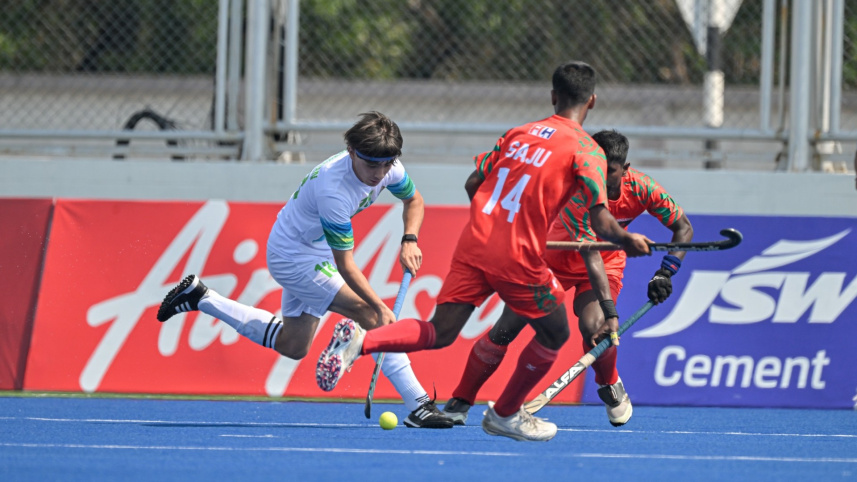
After failing to secure an Asia Cup berth for the first time last year -- only to eventually participate following Pakistan’s withdrawal -- Bangladesh hockey hit a new low on Monday, missing out on the semifinals of the Asian Games Qualifiers after a 1-1 draw against Uzbekistan in Bangkok.
The result, Bangladesh’s first-ever draw against the Central Asian side, coupled with a first defeat to Sri Lanka in two decades, has left them battling for a place in the top six through a playoff on Thursday -- a stark contrast to a tournament they would once have been expected to dominate.

In the match against Uzbekistan, Bangladesh fell behind early after conceding a penalty corner in the sixth minute, which Mironshokh Ortikboev converted. Ashikuzzaman’s men responded 30 minutes later, with Amirul Islam equalising from a penalty stroke.
Both teams created further opportunities but failed to make them count. Bangladesh, in particular, endured a frustrating outing from penalty corners, failing to convert any of their six attempts.
The men in red and green finished third in the four-team group with four points from three matches. Uzbekistan also collected four points but advanced to the semifinals as group runners-up due to a superior goal difference. Sri Lanka, despite losing their final match to Chinese Taipei on Monday, topped the group, having earlier beaten Bangladesh 3-2.
Bangladesh had begun their campaign with a narrow 4-3 win over Chinese Taipei.
They will now face the fourth-placed team from Group A in Thursday’s playoff, with their opponents to be determined among Hong Kong, Thailand and Kazakhstan. The top six teams from the 11-team tournament -- considered a second-tier competition in Asia -- will qualify for the Asian Games, scheduled to be held in Japan later this year.
Regardless of whether Bangladesh ultimately secure a place in the Asian Games, their performances over the past year warrant serious scrutiny -- particularly in areas such as team selection, the effectiveness of the coaching staff, and the overall competitiveness of the side in the absence of domestic competitions.
 For all latest news, follow The Daily Star's Google News channel.
Comments