


FIFA defends VAR decision in Argentina-Switzerland World Cup match, signals rule clarification
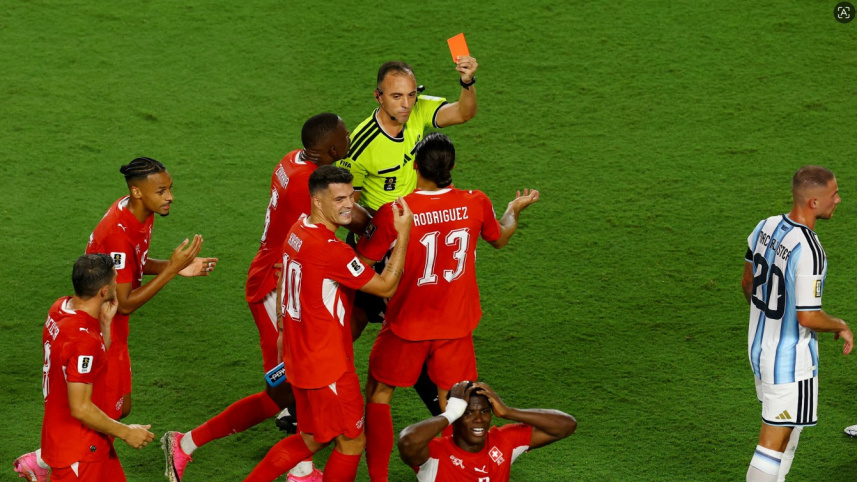
FIFA has defended the widely debated application of the "mistaken identity" rule during Argentina's FIFA World Cup 2026 clash against Switzerland, insisting that the VAR intervention was consistent with the spirit of the Laws of the Game.
The debate stems from the July 11 match, in which Swiss forward Breel Embolo was sent off after receiving a second yellow card. The incident followed a VAR review that determined Argentina midfielder Leandro Paredes had been wrongly cautioned for a foul that, according to FIFA, did not occur.

Earlier reports suggested that the International Football Association Board (IFAB) had questioned the referee's interpretation, arguing that the "mistaken identity" provision allows officials to correct the identity of a player who committed an offence, but not to alter the nature of the offence itself. That interpretation sparked criticism over whether VAR had exceeded its authority.
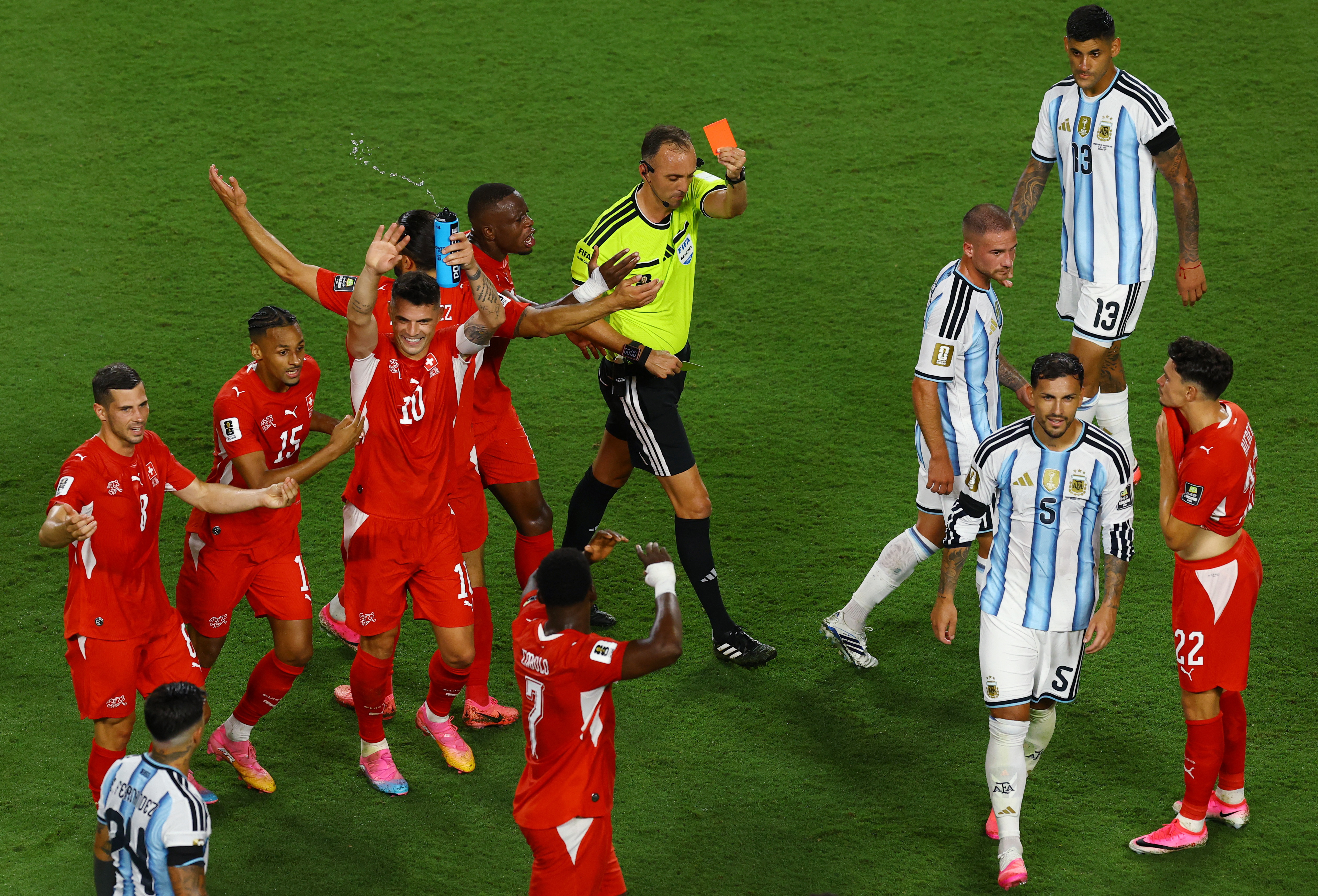
FIFA, however, has rejected claims that the decision was inconsistent with the Laws of the Game. According to reports by Spanish newspaper AS and Argentine broadcaster TyC Sports, the governing body said its interpretation of the rule had been applied consistently throughout the tournament and cited a similar incident involving Paraguay's Miguel Almirón during a match against the United States.
According to FIFA, a player should not face disciplinary consequences because of an opponent's simulation.
"Simulation should not result in a disciplinary sanction against an opponent that could then lead to further consequences, such as a sending-off for a second yellow card or a match suspension for accumulated cautions," FIFA said.
The governing body maintained that neither the referee nor the VAR team had made an error, arguing that the intervention restored fairness rather than altering the laws.
"We do not consider this to have been an error by the referee or VAR, and the decision restored justice," FIFA said.
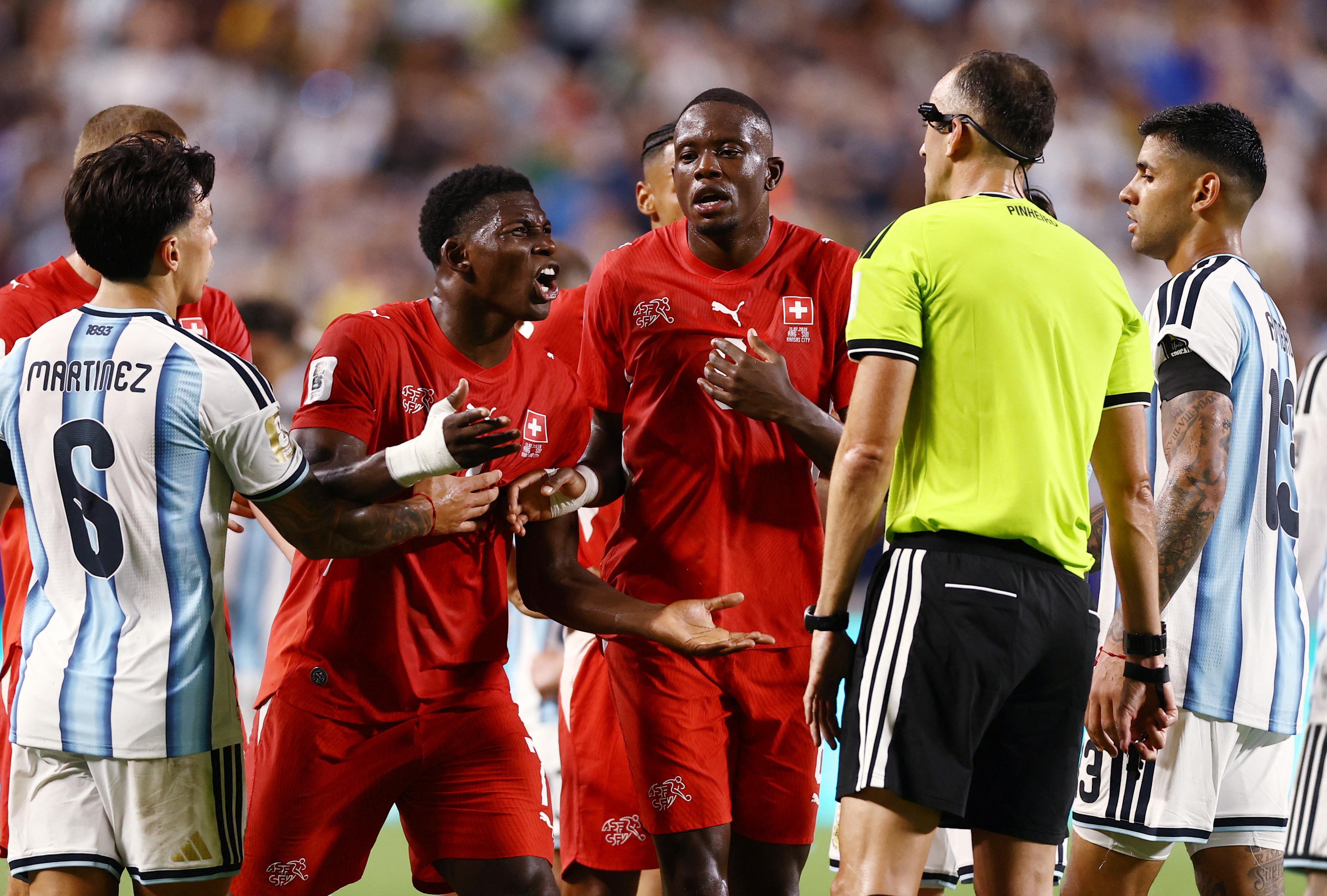
FIFA added that it had remained in contact with IFAB throughout the process and said both organisations agreed that the interpretation was valid. The governing body also indicated that the issue would be discussed during future revisions of the VAR Protocol, with the aim of making the wording of the "mistaken identity" rule clearer and avoiding similar controversies.
The statement noted that two incidents during the World Cup required VAR intervention after players were wrongly identified for yellow-card offences caused by opponents' simulation. FIFA argued that correcting such factual errors is essential to prevent players from being unfairly dismissed or suspended due to accumulated cautions.
The controversy has once again highlighted the ongoing debate over VAR's scope and the interpretation of football's laws, with FIFA now signalling that clearer regulations could be introduced following discussions with IFAB.
 For all latest news, follow The Daily Star's Google News channel.
Comments