


Football is a cruel game: Senegal learn the harshest lesson
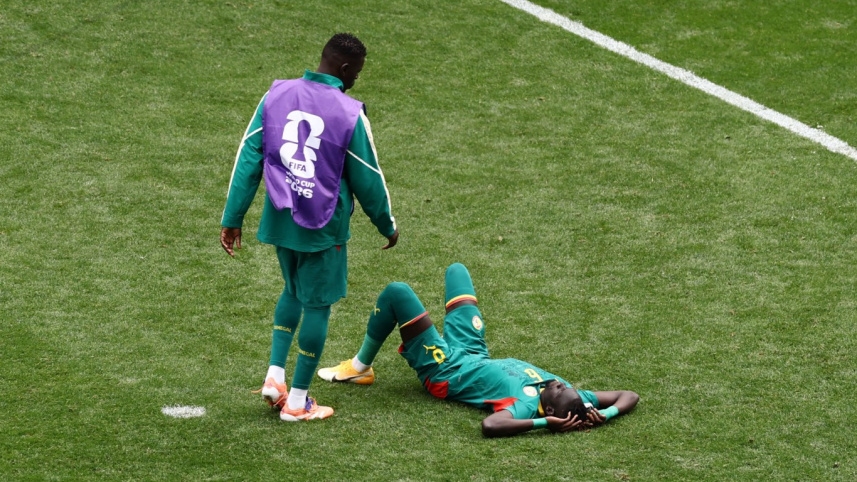
Few sporting spectacles can match football's capacity for heartbreak. It elevates dreams, rewards resilience and, at times, punishes the slightest lapse in concentration with unforgiving severity. On Wednesday night in Seattle, Senegal discovered once again why football remains the most exhilarating and cruel of games.
For 85 minutes, the Lions of Teranga appeared destined for a place in the last 16 of the 2026 World Cup. They were organised, energetic and dominant against a Belgium side that struggled to cope with Senegal's relentless intensity. Goals from Habib Diarra and Ismaila Sarr had seemingly placed the African side on the brink of a memorable victory.

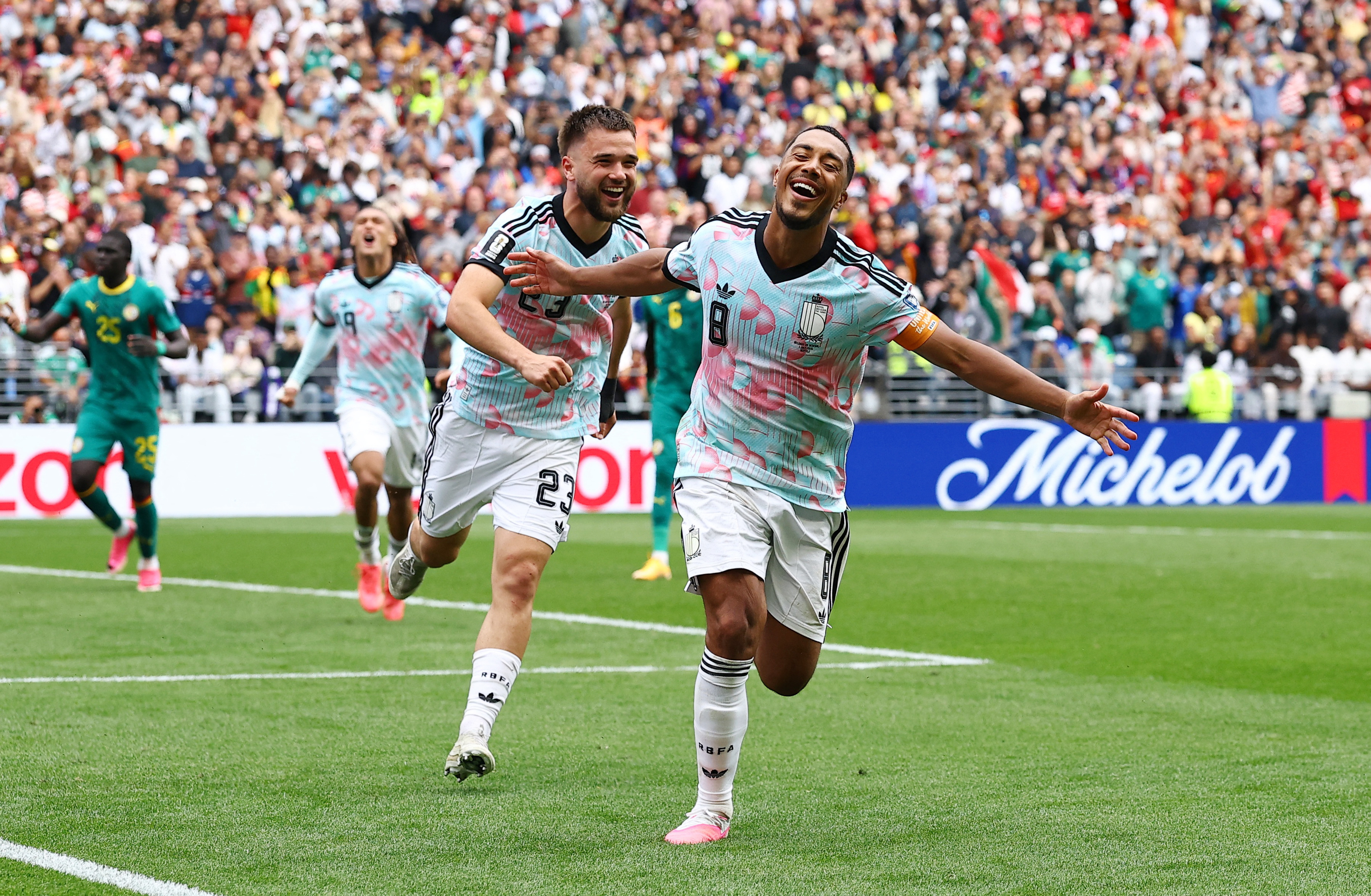
Then, within a matter of minutes, everything changed.
Belgium, staring at elimination, found life through Romelu Lukaku's late strike. Three minutes later, captain Youri Tielemans restored parity. The momentum shifted irreversibly. Senegal, so composed for much of the evening, suddenly looked vulnerable. In extra time, a contentious penalty awarded after a lengthy VAR review allowed Tielemans to complete the turnaround and send Belgium through with a dramatic 3-2 victory.
"Football is a cruel sport," Senegal coach Pape Thiaw remarked afterwards, his disappointment impossible to conceal.
His assessment was difficult to dispute.
Senegal had entered the tournament carrying emotional baggage. Earlier this year, controversy surrounded their unsuccessful defence of the continental crown following a disputed penalty incident in the Africa Cup of Nations final against Morocco. The scars of perceived injustice had not entirely healed, and the scenes that unfolded in Seattle reopened old wounds.
Several Senegal players protested vehemently after the decisive penalty was awarded for Lamine Camara's challenge on Tielemans. Thiaw admitted his side believed the decision was incorrect.
"We believed that there was no penalty," he said. "The players tried to challenge the decision. It's their right."
Yet football rarely offers sympathy. Decisions, fair or otherwise, become part of the narrative. What remains indisputable is that Senegal had placed themselves in a commanding position and were unable to close out the contest.
"A football match is not an 85-minute one," Thiaw observed, perhaps delivering the most important lesson of the night.
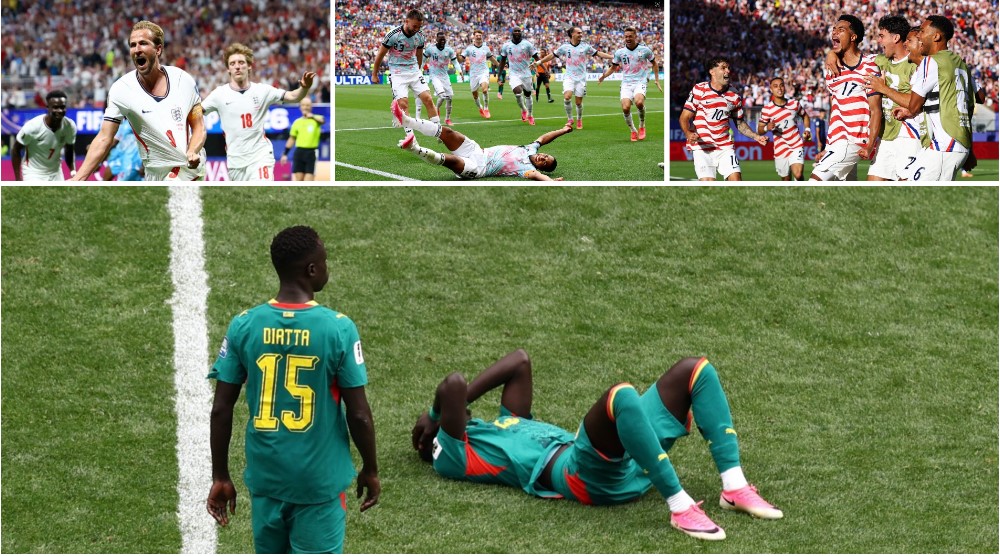
Indeed, elite football is often defined not by periods of dominance but by moments of vulnerability. Senegal had controlled possession, dictated tempo and exposed Belgium's defensive frailties. But tournaments are won by teams capable of enduring adversity and seizing opportunities when they emerge unexpectedly.
Belgium deserve recognition for doing precisely that.
Coach Rudi Garcia gambled by introducing Lukaku and altering his attacking structure. The changes transformed the contest. Belgium's pressing intensified, their belief returned and their experienced players found solutions when elimination seemed inevitable.
"It is like two boxers," Garcia said of extra time. "We kept fighting and fighting."
That persistence ultimately separated the two sides.
For Senegal, the defeat will linger painfully. Defender Krepin Diatta admitted his side had hoped to write "beautiful pages" in the history of Senegalese football. Instead, they leave with a lingering sense of what might have been.
Perhaps that is football's greatest cruelty.
 For all latest news, follow The Daily Star's Google News channel.
 It does not always reward the better team over 120 minutes. It does not guarantee justice for effort, ambition or superior performances. Sometimes it simply favours those who survive long enough to take advantage of another's hesitation.
Senegal were five minutes away from celebration. Belgium were five minutes away from elimination. In the end, the Red Devils advanced, while the Lions of Teranga departed wondering how a match they controlled for so long slipped beyond their grasp.
Football can inspire, unite and uplift. But on nights like these, it also reminds players, coaches and supporters that glory and despair are often separated by the finest of margins.
And that is precisely why, as Pape Thiaw put it, football remains a cruel game. The sport is often called the “beautiful game,” celebrated for its grace, joy and artistry. Yet it is in moments like these that its other side is revealed -- unforgiving, unpredictable and brutally decisive.
Comments