


A goal, an instant without shadows

Feats of greatness have a unique power to enthrall, especially those moments demanding extraordinary skill, courage and imagination. Football delivers such moments with remarkable frequency. A perfectly struck shot, a last-ditch tackle, a dazzling dribble, an acrobatic bicycle kick, a miraculous save, or a decisive goal can make a fan's blood race and heart pound a little faster.

That is why football continues to captivate billions around the world. At the FIFA World Cup 2026 so far, the magic of Lionel Messi, the explosive brilliance of Kylian Mbappe, the heroics of Cape Verde goalkeeper Vozinha against Spain, and the fearless performance of Morocco’s teenage sensation Ayyoub Bouaddi have all produced unforgettable moments.
But sometimes football's most powerful stories are not about the stars; sometimes they emerge far from the spotlight.
While much of the world remained transfixed by individual masterclasses and the underperformance of tournament giants, a small corner of the Democratic Republic of Congo was searching for something far more important than sporting glory: hope.
In Bunia, the capital of Ituri Province, daily life has been shaped by tragedy. The city sits at the epicentre of an Ebola outbreak that has infected hundreds and claimed many lives. Families have buried loved ones. Healthcare workers continue their relentless battle against the deadly virus. Fear, uncertainty, and grief have become part of everyday existence.
For many residents, survival itself is the primary concern. Yet football has a unique ability to interrupt even the darkest realities.
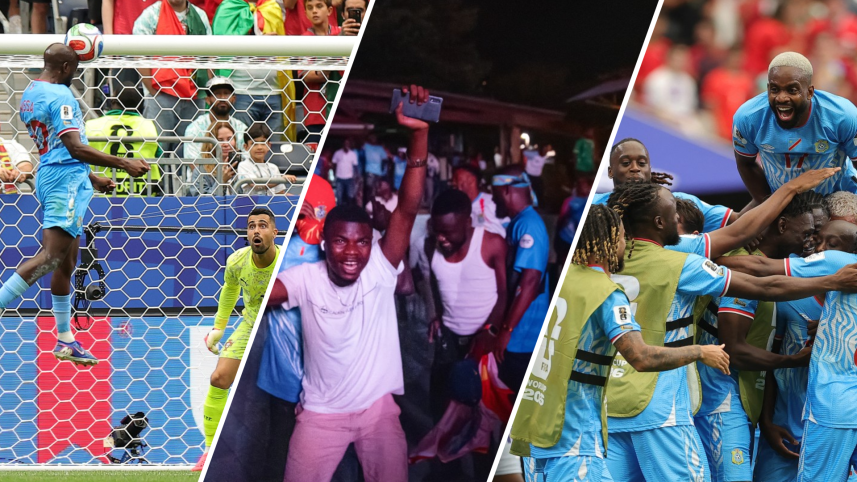
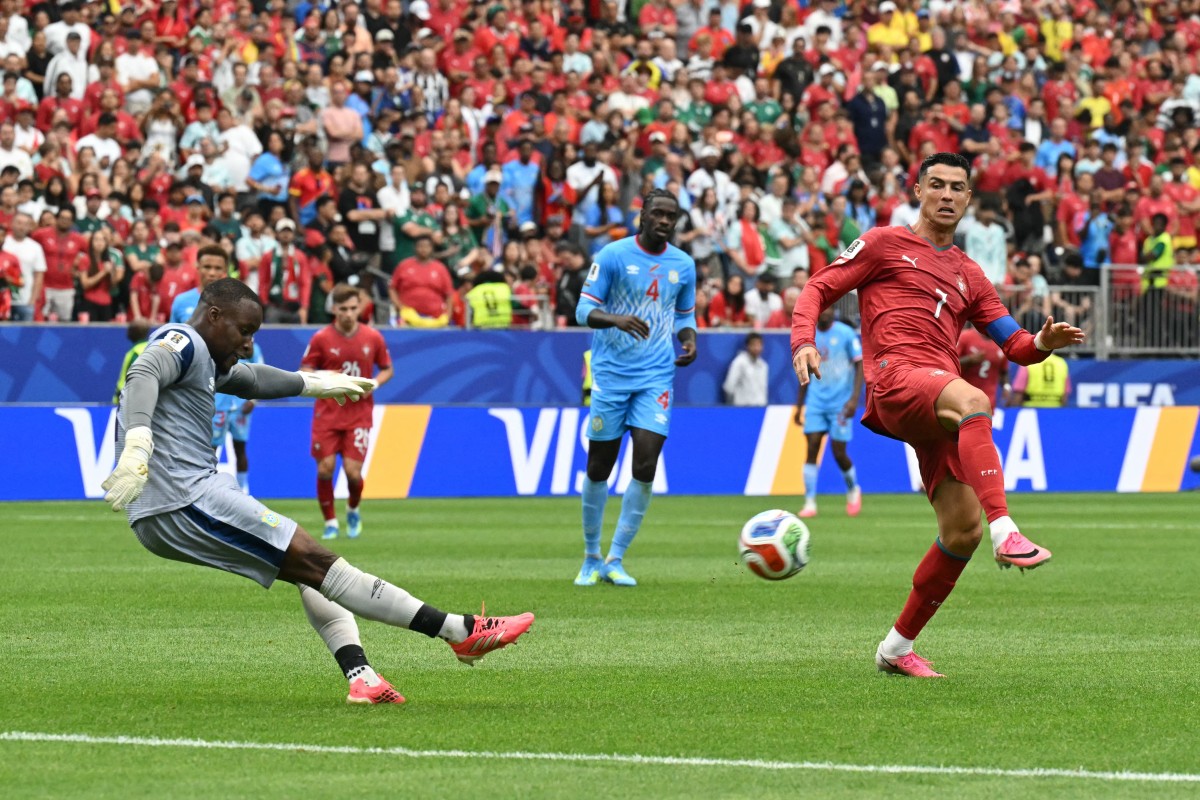
When DR Congo -- who had to stay outside the country for 21 days and symptom-free before entering North America -- faced Portugal at the World Cup on Wednesday night, supporters gathered around the few functioning television sets they could find. Some squeezed into crowded bars. Others searched for restaurants and shops showing the match. For ninety minutes, attention shifted away from hospital wards, health warnings and daily anxieties.
Then came the moment, as Yoane Wissa found the net.
It was not the most spectacular goal of the tournament. It may never be replayed as often as one of Messi's masterpieces or remembered alongside the iconic moments that define World Cup history. But for the people of Bunia, it meant something far greater.
The goal secured Congo's first-ever World Cup point and sparked scenes of pure celebration. Young people poured into the streets. Motorcycles roared through the city. Fans embraced one another and danced with national flags draped across their shoulders. In bars lit by little more than a single bulb, strangers celebrated together. For a brief moment, the shadow of Ebola seemed to lift.
The goal did not cure the disease. It did not bring back those who had been lost. It did not solve the economic hardships, insecurity or health challenges facing the region. What it did was remind people that life continues.
"We need moments which bring us a little happiness and allow us to forget for just an instant the loss of our brothers and sisters," Heritier Kimbimbi, who had a national flag draped over his shoulders, told AFP.
Sport is often dismissed as a distraction from serious issues. Yet in places burdened by conflict, disease or poverty, that distraction can be profoundly meaningful. Human beings cannot live on fear and sorrow alone. They need moments of joy, moments of unity and moments that remind them of what they are fighting for. That is why football matters.
The World Cup is rightly celebrated as a showcase of sporting excellence. It brings together the world's finest players and creates memories that endure for generations. Yet beyond the dazzling skills and superstar narratives lies another story, the story of ordinary people finding comfort, belonging and hope through a game.
The same can be seen in Bangladesh, where World Cup fever sweeps through cities and villages alike. Amid economic pressures and the stresses of everyday life, football offers millions a temporary escape. It creates conversations, friendships and shared emotions.
In Bunia, however, the stakes felt different. While the rest of the global audience remained preoccupied with tracking tournament storylines and debating the fates of footballing icons, those in Bunia were anchored in a much simpler, yet far more profound reality. For them, the true victory was simply a celebration of life itself.
"All day and every day they broadcast adverts on Ebola, but for the match they turn off the big screen," said an annoyed Heritier Dubo.
For 90 minutes, football gave them permission to forget their fears. And when Wissa scored, one goal became more than a goal. It became a reminder that even in the midst of suffering, joy can still be found, communities can still come together and hope can still survive.
 For all latest news, follow The Daily Star's Google News channel.
Comments