


Sleepless, sonic summer of ’26

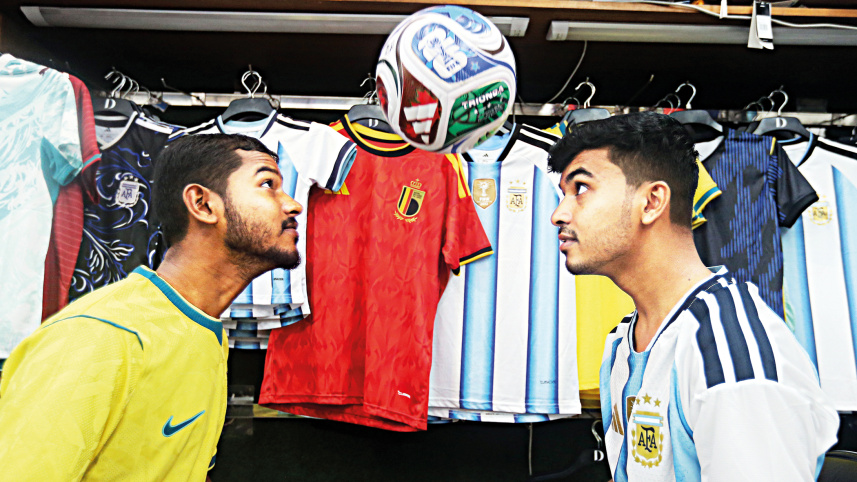
Will the average fan stay up all night to catch Brazil’s opening match at 4:00 am? Or will they go to bed early and rub the sleep from their eyes to wake up long before dawn?
An even greater challenge awaits just two days later. For a football lover, it is only natural to want to watch France’s opening match at 1:00 am. But by the time that game wraps up, the clock will read 3:00 am. How, then, is one to catch Argentina’s opening fixture at 7:00 am? Many will simply endure a completely sleepless night, entirely consumed by football.

To complicate matters, Portugal plays later that same night. What will the workflow look like the next day? Will the human body even survive this relentless assault? For fans in the subcontinent, the upcoming FIFA World Cup in North America is set to be the ultimate test of physical endurance.
This year, the beautiful game demands a grueling trade-off: sacrificing physical well-being in exchange for absolute footballing loyalty. The vastness of North American time zones has turned the tournament into a brutal matrix for Bangladeshi viewers, even before the opening whistle.
The relatively manageable 11:00 pm BST (Bangladesh Standard Time) kickoff is merely the opening act. The real test of devotion belongs to the dreaded post-midnight and pre-dawn slots where even chronic insomniacs will have a tough time keeping up with the grueling tempo. Local football enthusiasts are certainly used to staying up late for marquee club matches, but the World Cup presents a cluster of fixtures at timings that will pose a massive psychological challenge even for the most seasoned night-owl fans.
This scheduling shift threatens to fundamentally rewrite the traditional social fabric of local football culture. Historically, a World Cup in Bangladesh means a raucous carnival -- neighbourhood gatherings, endless tea-stall debates, and an explosion of outdoor madness. But fans cannot stand in front of a giant street projector in the dead of night and scream at the top of their lungs without waking up an entire residential block.
Consequently, the grand festival might lose its familiar street charm and retreat indoors. The vibrant neighbourhood carnival will likely be replaced by a solitary, quiet exercise in discipline. Fans will find themselves huddled in pitch-black bedrooms, illuminated only by the cold blue glow of smartphone screens or the muted displays of televisions, balancing the intense math of high-stakes football close to their chests.
Then comes the sun, melting the midnight shadows straight into the ultimate corporate nightmare: the breakfast kickoffs. When a high-stakes match kicks off in the early morning hours, especially when a crowd favourite like Argentina takes the field, a severe conflict will arise between the rush-hour commute and match-day plans. It wouldn’t be surprising to see an unprecedented drop in productivity across the corporate hubs of Motijheel and Gulshan over the course of the month. Fueled by a record-breaking surge in espresso shots and strong liquor tea, the city’s busiest offices will operate under a state of collective sleep deprivation.
The domestic front line will mirror this exhaustion just as intensely. For the nation’s homemakers, the tournament introduces a chaotic rewrite of daily chores and kitchen timelines. The morning rush hour, usually a synchronized dance of packing school bags and cooking breakfast, will become a lot more frantic than usual. Parents preparing the morning tiffin for their children might find themselves settling for less-gourmet options -- instantly traded away so they can steal back a precious hour of sleep lost to a 4:00 am kickoff.
The domestic landscape, however, adapts in spectacular ways. To accommodate the late-evening and midnight match viewing, the traditional family dinner will undergo a dramatic evolution. Homemakers will increasingly opt to make evening meals far more extravagant, turning the dining table into a pre-match festival of heavy platters and finger foods designed to keep the entire household fueled through the looming graveyard shifts.
Consider the students as well. The festive warmth of the Eid-ul-Adha holidays will barely have faded before the relentless drums of the World Cup begin to beat. Due to strict administrative adjustments, Bangladesh likely does not have a dedicated summer vacation this time. With mid-year academic pressures and back-to-back exams looming, a massive question mark hangs over how deeply the largest and most vibrant segment of football fans can immerse themselves in the tournament. Caught between classroom assignments and their favourite team’s do-or-die battles, their twenty-four hours will stretch into an extraordinary balancing act.
Yet, amid this impending exhaustion lies a strange and primal beauty. While residents in host cities like New York or Los Angeles experience these matches as an effortless evening luxury, for the Bangladeshi fandom, viewership becomes an act of profound physical discipline. Navigating the tropical mornings of June and July with heavy eyelids and dark circles under the eyes will become a badge of honour in this country.
This widespread endurance remains the ultimate indicator of the subcontinent’s distinct football culture. As dawn breaks over Dhaka and millions of sleep-deprived fans head to their workplaces and classrooms, a compelling message is sent to the footballing world: North America may hold the stadium keys, but the tournament’s most vigilant heart remains wide awake in the South Asian dark, powered by unconditional love.
 For all latest news, follow The Daily Star's Google News channel.
Comments