


USA '94: The summer of glory and grief

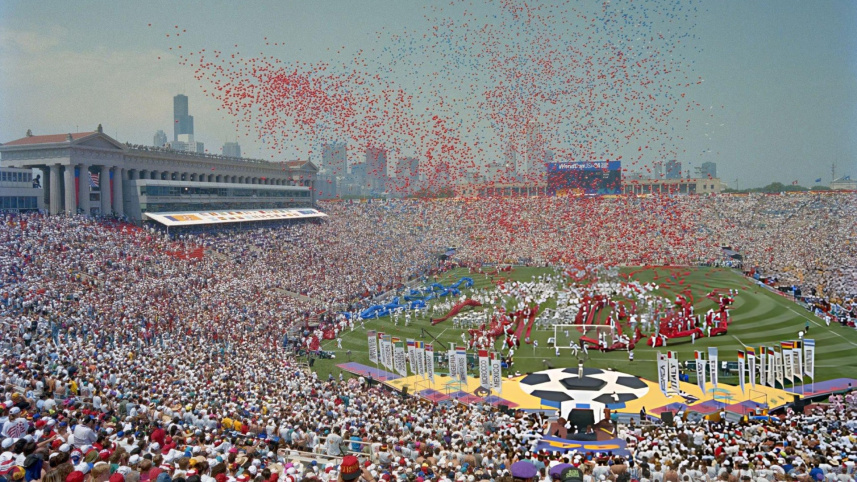
Above the Rose Bowl, the Californian sun burned like fire. Flags trembled in the scorching wind. The emerald grass shimmered beneath the unforgiving light. Nearly one hundred thousand voices roared with such force it felt as though the sky itself might split apart.
And then, suddenly, the world fell silent.

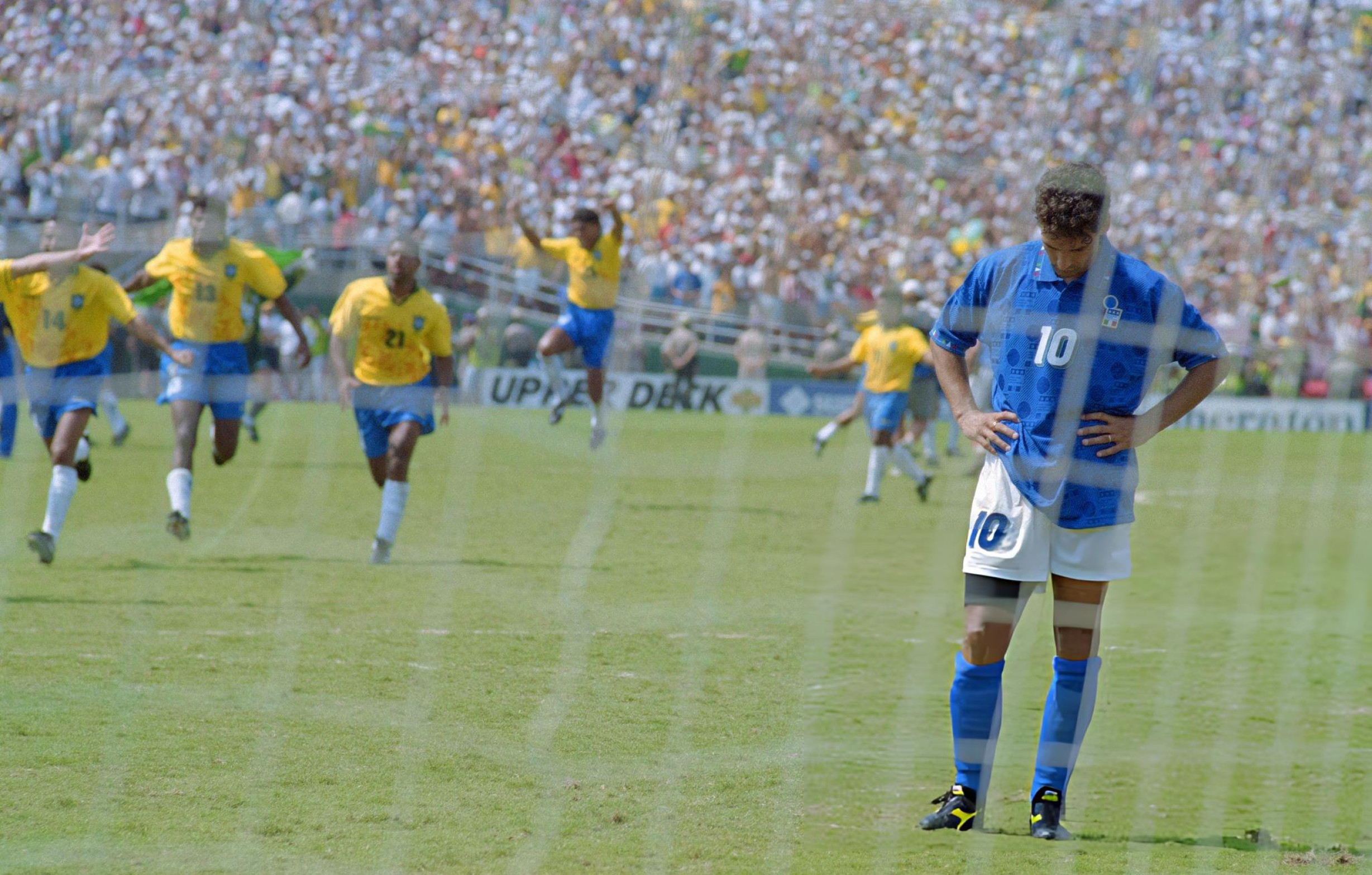
Standing behind the penalty spot was Roberto Baggio. Italy’s hopes rested entirely on his shoulders. Head bowed, “The Divine Ponytail” stepped back a few paces. Then came the run-up. The strike. The ball soared into the endless blue sky.
For a fleeting second, time itself seemed frozen. Then the Brazilian eruption began -- volcanic, deafening, unstoppable. In the middle of the pitch, Baggio stood motionless, head lowered. Alone. Broken. His long shadow stretched across the Pasadena grass like the defining image of the 1994 FIFA World Cup.
USA ’94 was an epic wrapped in contradictions -- triumph and tragedy sharing the same stage.
The World Cup nobody believed in
The seeds of that extraordinary summer had been planted years earlier. When FIFA president Joao Havelange awarded the 1994 World Cup to the United States in 1988, much of Europe reacted with disbelief.
America was far from being a football nation. The sport had to be renamed “soccer” simply to survive in the shadows of American football, basketball and baseball. Football remained largely the domain of immigrant communities and youth participation.
To satisfy European television audiences, matches in Dallas, Pasadena and New York were played in brutal daytime heat. Meanwhile, television rights, sponsorships and global markets were reshaping the World Cup into the crown jewel of an expanding commercial empire.
Yet USA ’94 also transformed the game itself. For the first time, teams received three points for a win and goalkeepers were barred from handling deliberate back-passes, both designed to encourage attacking football. There was also an unwritten condition attached to America’s hosting rights: the country had to establish a professional league afterward. From that promise, Major League Soccer would eventually be born.
At the time, nobody imagined the league would one day attract names like David Beckham and Lionel Messi, because in 1994, football and America still felt like strangers trying awkwardly to understand one another.
A tournament the world took over
And yet, once the action began, the world watched in amazement. The stadiums overflowed. More than 3.5 million spectators attended the tournament -- a World Cup record that still stands today.
Much of that passion belonged not to America, but to immigrants who carried football in their blood. Whenever Mexico played, Los Angeles transformed into Mexico City. Brazil’s yellow shirts flooded arenas like fields of sunlight. Argentina supporters carried the intensity of religious devotion in their eyes.
America may have hosted the tournament, but emotionally, the World Cup belonged to the rest of the world.
And at the centre of that emotion stood Diego Maradona.
Maradona’s last fire
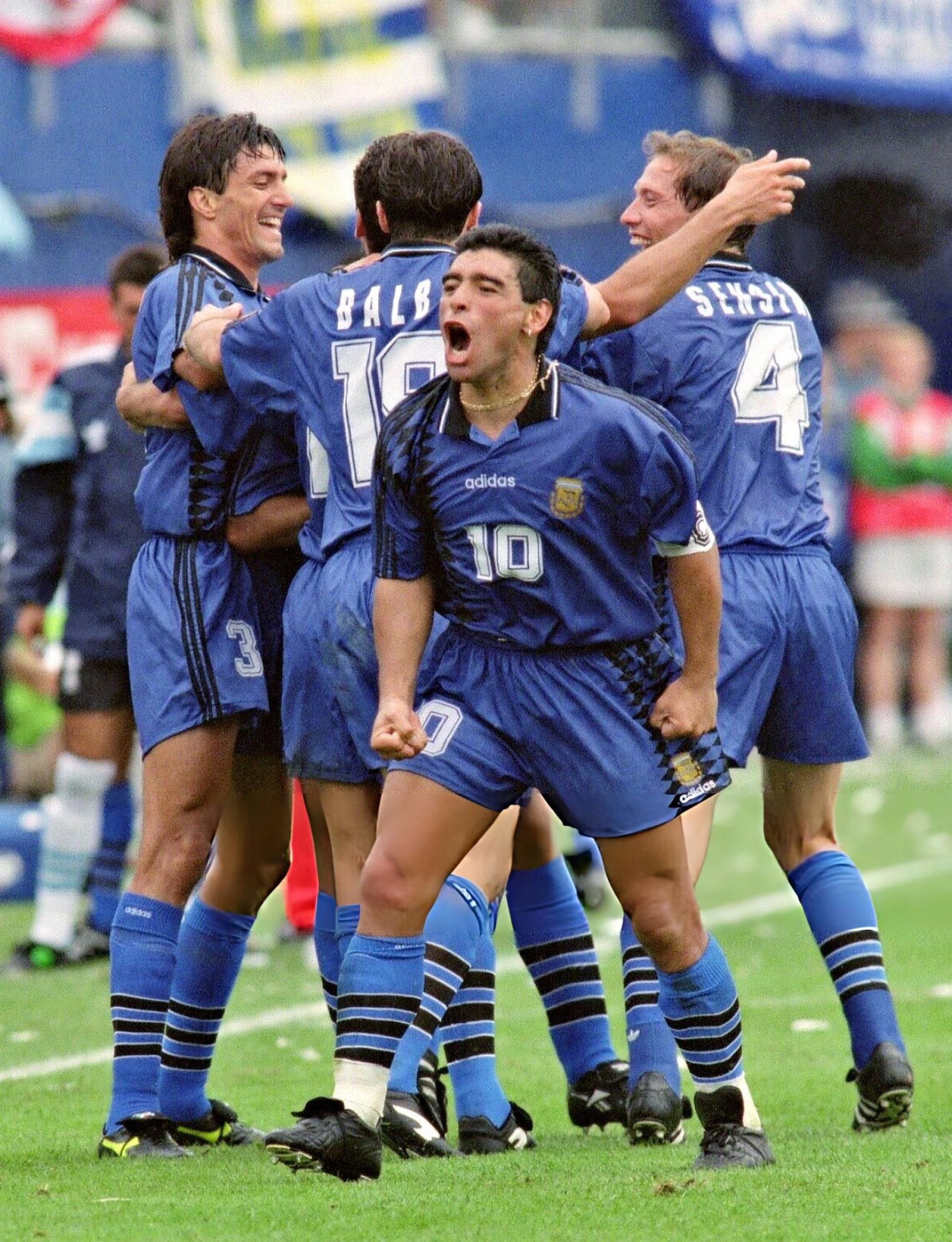
To understand Maradona in 1994, one had to remember everything that came before. The man who carried Argentina to immortality in 1986 had endured heartbreak in the 1990 final, followed by injuries, scandal, and decline. Yet in America, he returned driven by defiance.
 For all latest news, follow The Daily Star's Google News channel.
 Age had not extinguished him. Neither had controversy. Against Greece and Nigeria, flashes of the old Maradona reappeared. His celebration felt less like joy than rebellion -- a man screaming at the world that he still existed.
Then came the thunderbolt. A failed doping test. FIFA expelled him from the tournament immediately after banned substances were reportedly found in his system. Maradona insisted he had been a victim of conspiracy, a debate that continues till date.
The murder of Andres Escobar
If Maradona’s fall wounded football’s soul, the story of Andres Escobar shattered it completely.
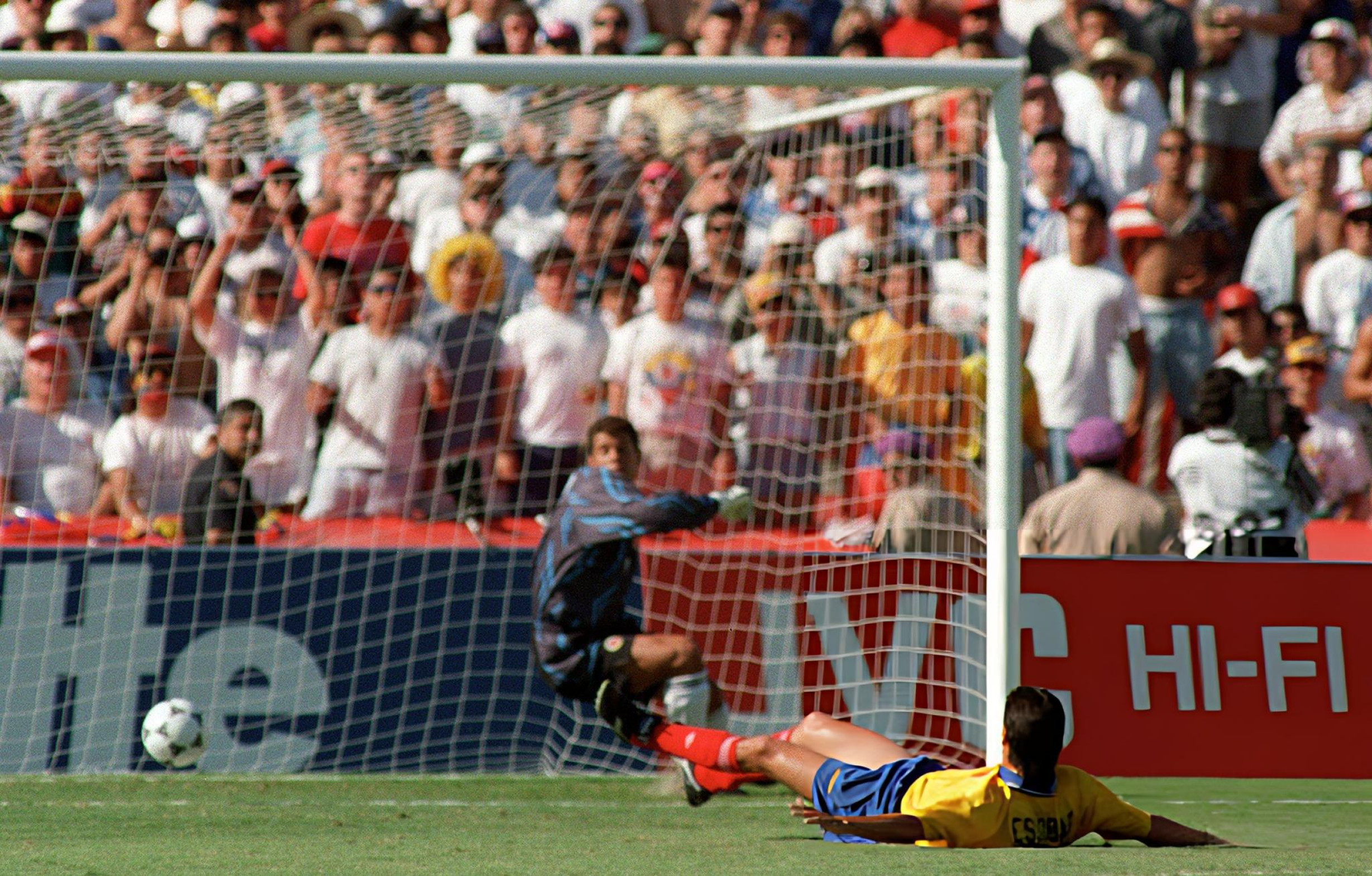
Before the tournament, many believed Colombia could become champions. Even Pele predicted greatness for them. Then came disaster. Against the United States, Escobar scored a devastating own goal.
In football, such mistakes happen. Players suffer, recover and move on. But not in Colombia in the 1990s. The game had become dangerously entangled with drug cartels, gambling money and organised crime.
After the World Cup, in a dark Medellín parking lot, Escobar was shot dead. According to witnesses, the killer reportedly shouted “Goal!” after every bullet.
Brazil’s cold-blooded revolution
Amid the darkness, Brazil were quietly writing a different story, as they went on to win this edition. They had not won the World Cup since 1970. The beautiful artists of 1982 -- Socrates, Zico and company -- became legends without lifting the trophy.
This Brazil was different. Under Dunga’s leadership, they became disciplined, pragmatic, and emotionally ruthless.
At the heart of it all stood Romario. Small in stature, almost lazy in appearance, he transformed inside the penalty area into something lethal -- sharp as a knife, fast as a hunting cat. Alongside Bebeto, he formed a partnership built on instinct.
After scoring against the Netherlands, Bebeto celebrated by rocking an imaginary baby in his arms, dedicating the goal to his newborn son. Romario and Mazinho joined him.
Amid violence and pressure, football briefly remembered tenderness.
The fairytales of USA ’94
The tournament also belonged to dreamers.
Bulgaria became the surprise of the summer. Hristo Stoichkov burned through the competition, leading his nation to a stunning semifinal run after eliminating defending champions Germany.
Saudi Arabia’s Saeed Al-Owairan scored against Belgium with a run that felt like a wild horse galloping across the desert. Russia’s Oleg Salenko scored five goals in a single match and entered history forever. Cameroon’s Roger Milla found the net at 42 years old, mocking time itself.
Meanwhile, Baggio carried Italy almost single-handedly -- until that missed penalty brought a cruel ending.
The shadow that never left
That World Cup quietly planted something inside America itself. Football did not become the country’s dominant sport overnight, but slowly the landscape changed. Immigration reshaped culture. Children embraced the game. A new generation grew up with football woven into its identity.
Then came Beckham. Years later came Messi.
The country that once treated football as a foreign curiosity eventually became one of the sport’s biggest markets and emotional centres.
When the World Cup returns to North America in 2026, memories of 1994 will inevitably rise again -- a summer that left football with its brightest celebrations and its deepest scars.
Comments