


When history walks onto the pitch

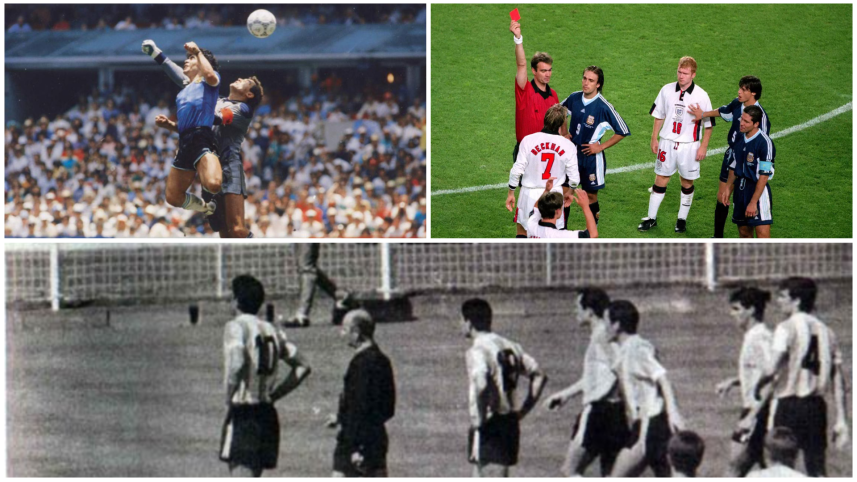
For England and Argentina, a World Cup meeting has never simply been about reaching the next round.
It is a rivalry forged through six decades of memory, controversy and emotion, where football has repeatedly produced moments that transcended the game itself. A captain refusing to leave the pitch, the most famous handball in history, arguably the greatest goal ever scored, David Beckham's tears, and later, his redemption.

Every generation has inherited its own version of England versus Argentina.
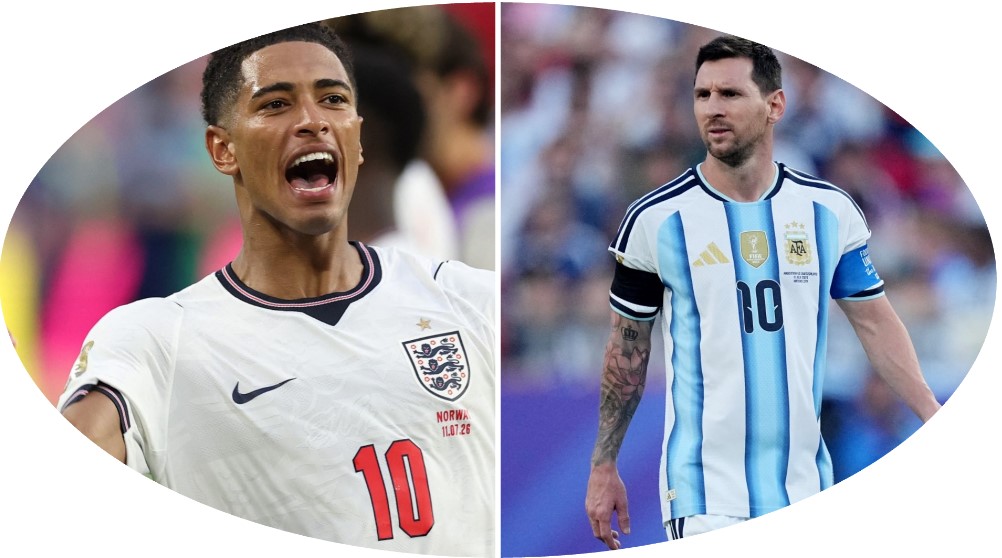
Some remember Diego Maradona soaring above Peter Shilton with the "Hand of God". Others remember Michael Owen tearing through the Argentine defence in Saint-Etienne, only for Beckham's red card to change everything. For a younger audience, Thursday's semi-final will be the first World Cup chapter they truly call their own.
And for the first time, Lionel Messi will stand in the middle of it.
The eight-time Ballon d'Or winner has conquered almost every challenge international football has placed before him. England, somehow, have always been missing from that story.
Now, with a place in the World Cup final at stake, football's greatest rivalry has found its newest leading man.
Messi is the latest protagonist, not the first. This story did not begin with him, or even with Maradona. For six decades, England and Argentina have written one of football's richest rivalries, where politics has brushed shoulders with sport, controversy has become folklore and every World Cup meeting has left behind a story generations still tell.
Its roots stretch back to Wembley in 1966.
England's 1-0 quarter-final victory paved the way for their only World Cup triumph, but the match is remembered just as much for Argentina captain Antonio Rattín's controversial dismissal. Unable to understand the German referee, he refused to leave the pitch before defiantly sitting on the red carpet reserved for Queen Elizabeth II.
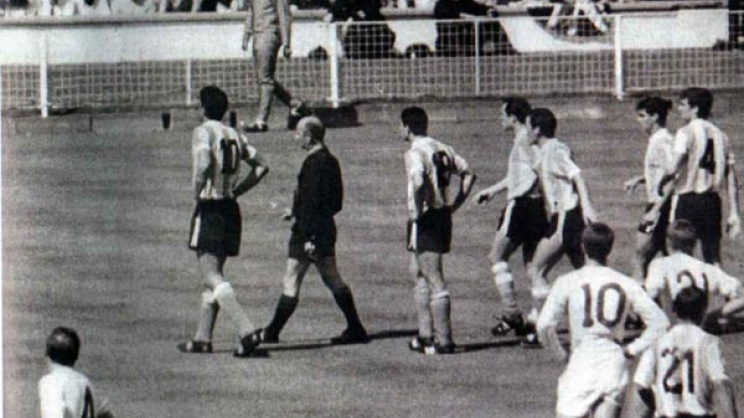
England manager Alf Ramsey later labelled the visitors "animals" and told his players not to swap shirts. In Argentina, meanwhile, the defeat became known as "The Theft of the Century", a grievance that has endured for six decades. Ironically, the confusion surrounding Rattín's dismissal helped pave the way for the introduction of yellow and red cards four years later.
Then football collided with history.
The 1982 Falklands War transformed an already simmering sporting rivalry into something far deeper. More than 900 lives were lost during the 74-day conflict, leaving emotional scars on both sides of the South Atlantic.
So when England and Argentina met again at the 1986 World Cup, it was never going to be just another quarter-final.
Within four unforgettable minutes at the Azteca Stadium, Maradona produced football's greatest contradiction: first came the infamous "Hand of God", punching the ball beyond Peter Shilton unnoticed by the officials. Then came genius, as he surged from inside his own half, skipped past five England players and rounded Shilton to score what FIFA would later name the "Goal of the Century".
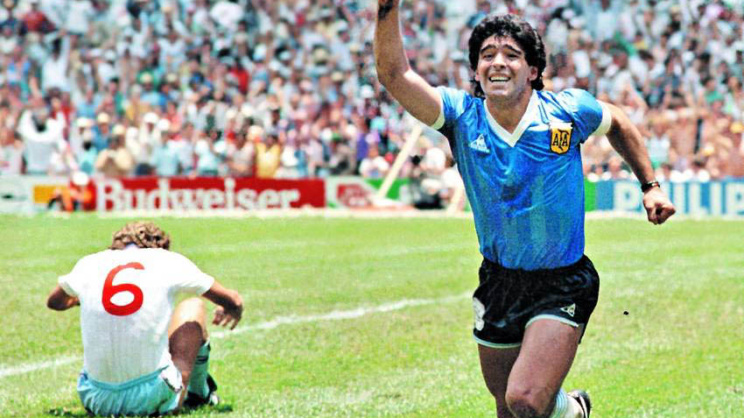
Years later, Maradona admitted the victory felt like symbolic revenge for the Falklands conflict, writing in his autobiography that defeating England was "like beating a country, not a football team."
The rivalry found its next defining figure in David Beckham.
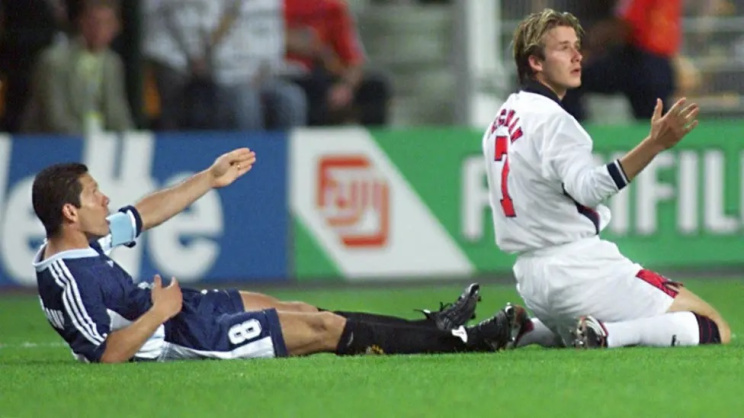
France in 1998 produced another classic. Michael Owen's dazzling solo goal should have been England's lasting memory, but Beckham's moment of frustration after tangling with Diego Simeone earned him a red card that changed the match. England fought bravely with ten men before losing on penalties, while Beckham returned home carrying the blame of a nation.
Football, though, has a habit of rewriting its own stories.
 For all latest news, follow The Daily Star's Google News channel.
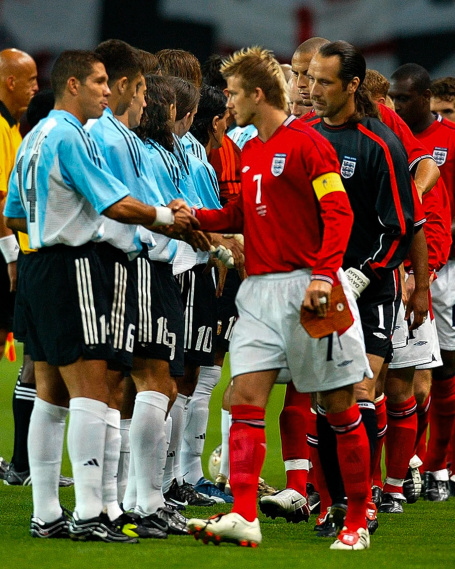
 Four years later in Sapporo, Beckham calmly converted the penalty that secured a 1-0 victory over Argentina, sending England into the knockout stages and eliminating their old rivals. In four years, he had travelled from national villain to national hero.
Then, unexpectedly, the rivalry fell silent.
For 24 years, football's biggest stage offered no new chapter between England and Argentina. The old moments were replayed, debated and relived, but no fresh memories replaced them.
Until now.
Twenty-four years after Beckham's redemption in Japan, England and Argentina meet again with a place in the World Cup final on the line.
This time, the spotlight belongs to Messi, finally stepping into the sport's oldest unfinished story. Argentina's supporters will once again sing Muchachos, the anthem celebrating both Maradona and Messi while remembering the soldiers who fought in the Falklands. England, meanwhile, believe this generation can finally write a chapter remembered for triumph rather than heartbreak.
Maradona is gone. Beckham has long since retired. The politics have softened and the stadium is different. But some rivalries never grow old.
Because when England meet Argentina at a World Cup, history never stays in the past. It walks onto the pitch before the players do.
Comments