


Is your AC smarter than your electric bill?

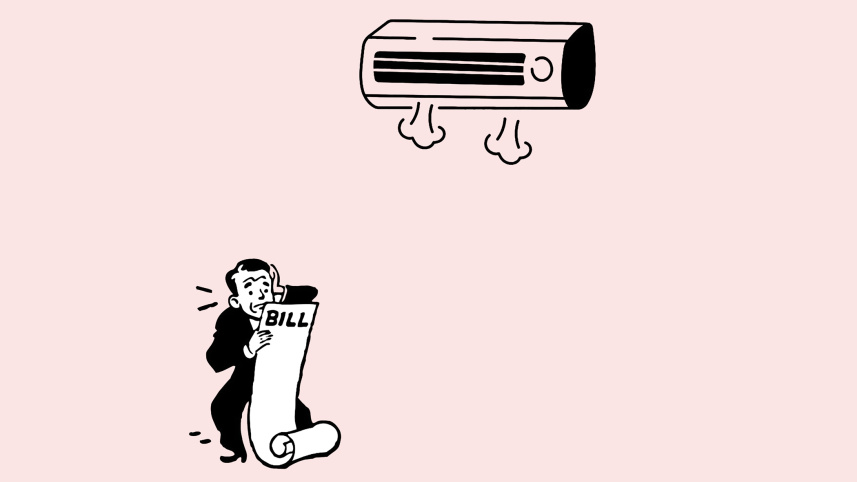
For decades, a Smart AC was marketed as a luxury for the tech-obsessed, a way to turn on the air conditioning from your phone so your living room was chilly before you walked through the door. But as global inflation sends electricity rates soaring and energy volatility becomes a household term, the narrative has shifted. Smart cooling is no longer about comfort or gadgets; it is a vital strategy for financial survival. In 2024 and beyond, the most important feature of your cooling system isn’t how fast it drops the temperature, but how well it manages your bills.
The New Math of Cooling

In many regions, electricity prices have outpaced general inflation. When you combine rising temperatures with rising kilovolt-ampere (kVA) costs, the traditional dumb AC, which simply chugs power until a thermostat click tells it to stop, becomes a liability. By integrating IoT (Internet of Things) sensors and machine learning, modern systems are moving from reactive cooling to predictive energy management.
The Strategy of “Peak Shifting”
The most expensive way to cool your home is to turn the AC on high during “Peak Hours” (usually late afternoon ). Smart systems now use a tactic called Peak Shifting. Connected to a Smart Grid, your AC knows when electricity prices are at their lowest (usually late at night or early morning). Using AI, the system pre-cools your home during these cheap windows. When the expensive peak hours hit, the AC throttles down or shuts off entirely.
Algorithmic Load Shedding
Load shedding used to be something only power plants did to prevent blackouts. Now, your AC does it to prevent a wallet-out.
Advanced Smart ACs use Inverter Technology paired with AI to avoid the massive power spikes caused by turning a compressor on and off. Instead of a binary On/Off cycle, the AI modulates the motor speed to the lowest possible frequency to maintain temperature. By shedding the heavy load of a startup spike, these units can reduce energy consumption by up to 30-40% compared to non-inverter models.
You don’t have to worry anymore
We’ve all had that sinking feeling halfway to work: Did I leave the AC on? Modern cooling tech utilises Geofencing. By linking to the GPS on your smartphone, your cooling system creates a digital perimeter around your home. When you leave the radius, the system automatically enters Eco-Mode. When you reach a certain point on your commute home, it ramps back up. It removes the human tax of forgetting to hit the switch, ensuring you never pay to cool an empty room.
An Investment in Defense
When inflation hits, most people look to cut costs on groceries or travel. However, your cooling bill is often one of the largest leaks in a household budget. Upgrading to a smart, AI-integrated system is no longer about the vanity of a high-tech home. It is a defensive move against an unpredictable energy market.
 For all latest news, follow The Daily Star's Google News channel.
Comments