


Sustainable Profitability Through Food and Beverage Optimisation
In the Food and Beverage industry, sustainable growth involves more than simply increasing sales; it necessitates protecting every point where value might be lost or profitability weakened. Therefore, cost optimisation is an operational innovation that every hotel must adopt to instil discipline, reduce waste, and enhance long-term performance.
Unique Hotel & Resorts PLC — the owning company of The Westin Dhaka, Sheraton Dhaka, and HANSA - A Premium Residence — utilises a structured six-control-point model for Food and Beverage cost optimisation. This framework, pioneered by Md. Shakawath Hossain, CEO of Unique Hotel & Resorts PLC, offers a practical approach to strengthening operational discipline. Through this methodical rigour, the organisation saves approximately BDT 2 crore annually.

Purchase Control
Purchase Control serves as the primary line of protection, focusing on timing, bargaining power, and quality. The correct products must be acquired at the optimal time and best price from reliable suppliers without compromising standards. Essential practices include market comparisons and supplier evaluations.

The six control points are Purchase Control, Inventory Control, Right Transfer, Portion Control, Appropriate Cooking, and Wastage Control. Together, these areas create the foundation for better food cost, stronger accountability, improved guest satisfaction, and sustainable profitability. Md. Shakawath Hossain CEO Unique Hotel & Resorts PLC
Inventory Control
Inventory Control is equally vital, as stored items represent capital. Products must be meticulously received, recorded, and monitored. Following the First In, First Out principle ensures older stock is utilised first, reducing expiry-related losses. Furthermore, proper dry and cold storage facilities protect quality and prevent unnecessary spoilage, ensuring that the business remains efficient.
Right Transfer
Right Transfer ensures products move correctly between stores, kitchens, and outlets. Before any transfer occurs, stock levels must be checked and requirements validated against expected guest numbers. A dynamic consumption approach studying guest behaviour, item popularity, and forecasted demand helps avoid both shortages and wastage.
Portion Control
Meanwhile, Portion Control directly impacts profitability and consistency. Even minor discrepancies in portion sizes can create significant financial impacts when repeated across thousands of covers. Standard recipes and consistent plating ensure that every guest receives the same high-quality experience while the business protects its margins. The objective is not to diminish guest satisfaction but to provide the correct quantity and quality every time, ensuring value for money.
Appropriate Cooking
Appropriate Cooking is a critical control point where precision matters. Excessive use of ingredients, spices, or oil leads to waste and inconsistent flavours. Chefs must follow standard recipes, maintain precise cooking temperatures, and use appropriate equipment. Effective cooking control improves presentation, food safety, and cost efficiency.
Wastage Control
Wastage Control remains one of the most significant areas for optimisation. Teams must assess weekly patterns and guest profiles before production begins. Historical footfall should be reviewed, and food prepared with a ten per cent adjustment based on forecasted demand. Food temperature must be strictly maintained for safety. Crucially, previous buffet food must never be repurposed for subsequent services; every new buffet must feature fresh ingredients to maintain the hotel’s reputation.
To achieve strong outcomes, businesses must understand their cost structures. Expenses like utilities, salaries, and royalty fees are largely fixed. In this environment, food cost remains the primary area with meaningful scope for reduction. Here, the six-control-point model generates its strongest impact.
This must be supported by menu engineering, where every item is reviewed based on popularity and profitability. High-profit, high-demand items should be promoted, while low-margin items are refined or replaced. Cost control should never compromise a hotel’s reputation. Guests remember quality, service, and safety. The goal is to spend wisely, ensuring that the guest experience remains paramount while operational efficiency is maximised throughout the entire process.
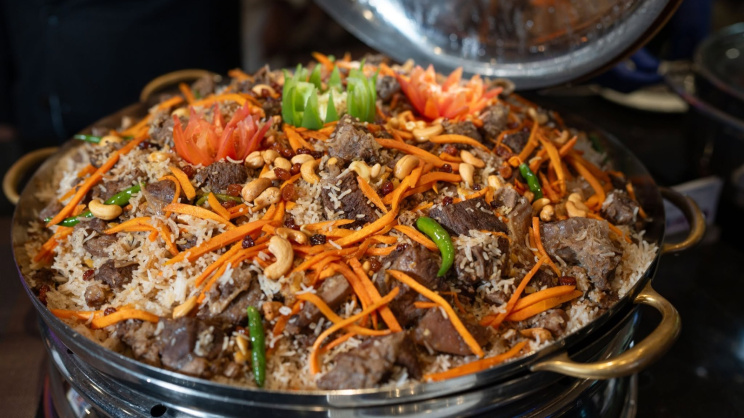
Ultimately, these six control points form the foundation of a sustainable Food and Beverage enterprise. Hotels should also embrace a farm-to-plate approach, sourcing fresh, seasonal produce locally. By connecting responsible sourcing with efficient operations, the business becomes more accountable and profitable.
This disciplined strategy ensures that the organisation remains resilient in a competitive market. Through the implementation of these rigorous standards, Unique Hotel & Resorts PLC continues to set a benchmark for operational excellence and sustainable financial performance within the hospitality sector of the global market.
 For all latest news, follow The Daily Star's Google News channel.
Comments