


Vietnam’s growth story holds lessons for Bangladesh
As I walked through the streets of Ho Chi Minh City last week, my second trip there within a month, I couldn’t help but wish Dhaka could resemble it. It was a delightful experience to walk on cleaner pavements without constant uneven impediments and hawkers. I neither had to encounter reckless battery-run rickshaws nor put up with beggars nudging at my car windows. I never had to worry about security while taking a stroll on the streets of Ho Chi Minh City late at night. I could smell the aroma of world-famous Vietnamese coffee as I passed cafes that are almost omnipresent. I took “Grab” cars for rides, with comfortable, spacious and clean vehicles that reminded me of the run-down Uber cars in Dhaka. Both are old cities, yet Ho Chi Minh City is so much more liveable because of these small things.

Vietnam is rapidly progressing to a developed economy. Singapore did this decades ago. Vietnam is on the same path, with much bigger geographical and demographic advantages.
Vietnam is having a spectacular growth phase. In its latest assessment report, Standard Chartered has raised its forecast for Vietnam’s GDP growth in 2026 to 9.5 percent and 11 percent for 2027. It has also lowered its inflation forecasts to 4.4 percent for 2026 and 3.3 percent for 2027. Vietnam’s foreign direct investment was a staggering $38 billion during the first seven months of 2026. These are enviable economic indicators for any country. The government is encouraging banks to support its target of achieving double-digit GDP growth. The State Bank of Vietnam (SBV) has recently allowed banks to exclude public sector project loans from their overall credit limits and single borrower limits.
Yet economic indicators alone do not tell the full story until one experiences Vietnam first-hand. I could feel the vibe of a country collectively focused on its growth journey. I could see large infrastructure projects everywhere, even when I travelled outside Ho Chi Minh City. I saw people rushing to their destinations in cars and motorbikes. I found shopping malls with world-class brands full of visitors, locals and tourists. I visited grocery stores as locals stocked up their shopping carts with wholesome food and vegetables.
Vietnam has also become an attractive tourist destination. Some places reminded me of Kolkata, with colonial-era buildings and museums full of rich history. The food is served artistically in Michelin-starred restaurants, though my strict “halal only” cuisine policy left me with limited choices of vegetarian dishes, full of local herbs enriched with heavenly aroma. Most people in Vietnam, even at professional levels, do not speak or understand English. That is not an impediment to its growth journey, as it did not stop China or Korea. Vietnamese professionals have an insatiable hunger to learn best practices from global experts and implement them, especially in banking. Many expatriates are now working in Vietnamese banks and companies, sharing their experience and training local talent, who are very hard-working, bright and promising.
Vietnam is rapidly progressing from a developing to a developed economy. Singapore did this decades ago, and now Vietnam is on the same path, with much bigger geographical and demographic advantages. With a deep-rooted supply chain powered by SMEs and households, global tech giants such as Samsung, LG and Foxconn have chosen Vietnam as major manufacturing bases. As companies continue to hedge their China dependence and leverage their connectivity with other markets, Vietnam is leaping forward by building top-class infrastructure, delivering good governance and achieving world-class productivity in manufacturing and electronics.
There is a lot to learn from the Vietnam story as it unfolds rapidly in front of our eyes, and not too far from us.
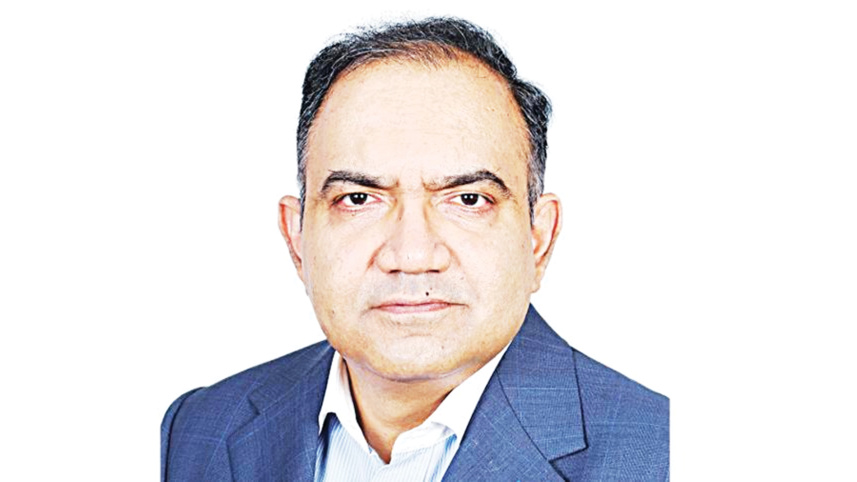
The writer is a senior consultant for banks in Southeast Asia and has worked in senior regional leadership roles in global banks for more than two decades.
 For all latest news, follow The Daily Star's Google News channel.
Comments