


Please train the leaders

Bangladesh has built an efficient crisis factory. Take one unfortunate incident, add instant defence and political ego, invite television panels, and the issue disappears. The tragedy becomes a serial, the victim a suspect, and everyone else a supporting actor. Ratings rise.
When I became a CXO at Unilever Bangladesh, we received two days of “Dealing with Media” training. Last week, watching one of our political dramas unfold, I wondered whether a similar course could have saved the country from tension, counterclaims and unnecessary theatre.

At a forum on skills and employment, I argued that skill development should begin at the top. We should conduct a skill-gap analysis of our VIP politicians, corporate leaders and senior bureaucrats. Some need media handling, others listening skills, and a few the advanced module, “How Not to Make Everything About Yourself.”
We invest heavily in teaching young people how to secure jobs. It is time to teach powerful people how not to create crises while doing theirs.
If somebody is injured or killed at a factory, the response is not to defend the company or investigate the character of the victim. It should be human: “This is a sad event for all of us. It should not have happened. Our hearts and minds are with the victim and family. We will establish the facts and ensure accountability.” Cause, care and corrective action come before self-protection.
The CDC crisis communication framework follows these principles: be first, be right, be credible, express empathy, promote action and show respect. Empathy is not an admission of legal liability. It shows a leader remains human while lawyers check the dots.
History offers contrasts. In 1982, after seven people died from cyanide-laced Tylenol capsules, Johnson & Johnson recalled around 31 million bottles and introduced tamper-resistant packaging. Its response said public safety came before sales.
After the Christchurch attacks, Jacinda Ardern centred the victims: “Speak the names of those who were lost, rather than the name of the man who took them.” She denied the attacker publicity and honoured the victims. In a crisis, the wrong pronoun can become more famous than the response.
Poor communication creates confusion; communication soaked in anger or hatred creates division. It converts citizens into rival camps, facts into weapons and clarifications into provocations. Once leaders start blaming, their supporters compete to blame more creatively. Soon, nobody is solving the crisis because everyone is busy winning it.
Another lesson concerned the journalist’s favourite question: the yes-or-no question. A skilled spokesperson should not accept a false choice because a camera demands it. However, this must not become a licence for fog. If the fact is clear, answer it, then explain the context. Otherwise, “staying on message” begins to resemble running away from it.
We prepared a white paper containing the messages we needed to convey. Whatever the provocation, we returned to them. A sensitive incident needs one designated spokesperson; if several agencies must speak, they should follow it rather than offer competing versions. Professionals call this bridging. In Bangladesh, we might call it refusing to join a televised wrestling match.
The need is now urgent. The Edelman Trust Barometer reports that 70 percent of people worldwide are unwilling or hesitant to trust those with different values, facts or approaches. In such an atmosphere, careless words are matchsticks.
Political parties, the civil service, corporations and development partners should introduce crisis communication training, including simulated press conferences, hostile interviews, empathy, fact discipline and social media response. Performance should be reviewed. A nation cannot be more skilled than the people who lead it. We invest heavily in teaching young people how to secure jobs. It is time to teach powerful people how not to create crises while doing theirs.
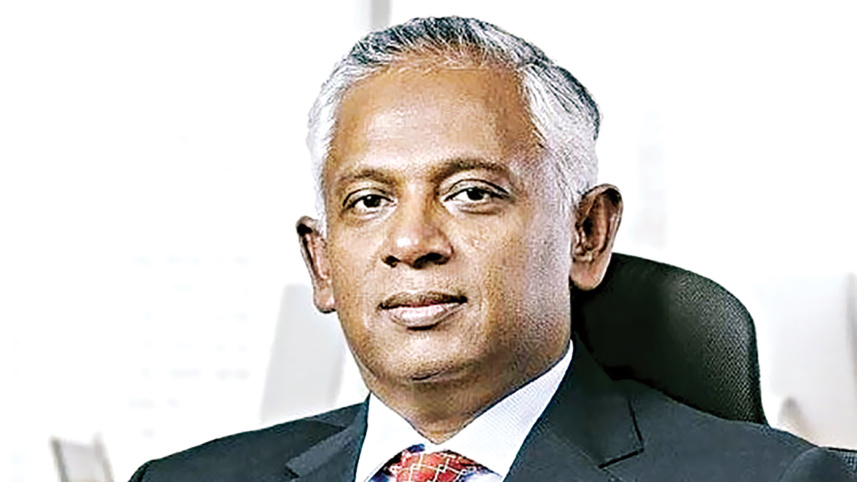
The writer is the founder of BuildCon Consultancies Ltd and BuildNation Ltd
 For all latest news, follow The Daily Star's Google News channel.
Comments