


Smuggled tea puts legal traders under pressure
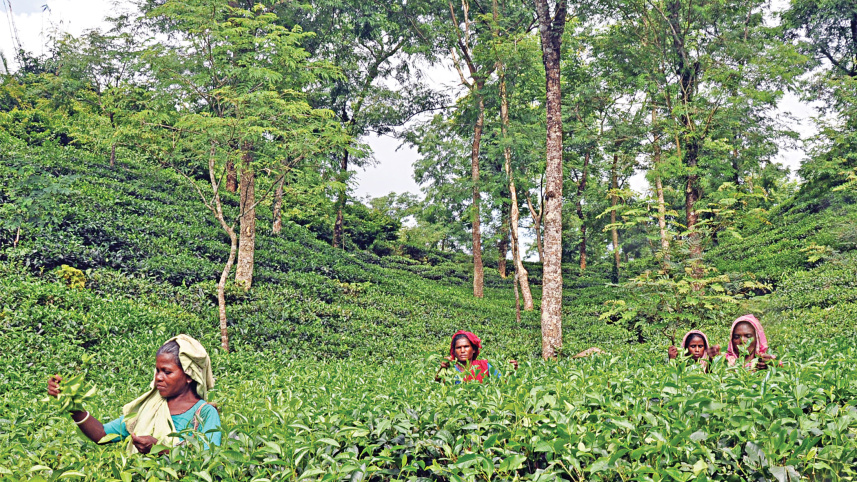
Smuggled tea entering through the border and tea sold outside the formal auction system are putting legitimate traders at a disadvantage and costing the government revenue, industry representatives alleged yesterday.
They made the remarks at the first meeting of an advisory committee formed to develop the country’s tea industry, held at the commerce ministry at the Secretariat.

Tea sold through auctions currently fetches Tk 290-300 a kilogramme, while smuggled tea is being sold for Tk 200-220, participants said.
The price gap is making it difficult for legitimate businesses to compete, while the government is losing revenue from the informal trade, they said.
They called for stronger monitoring along the border and in the domestic market to curb smuggling and off-auction sales. They also proposed rationalising VAT and advance income tax on the tea trade.
Commerce Minister Khandakar Abdul Muktadir, who chaired the meeting, said the government would take long-term measures to restore the economic strength of the tea industry.
The sector should not remain dependent on loans and government support, he said, adding that tea estates need to become financially stronger and contribute regularly to the national economy through taxes, VAT and other revenues.
A large number of workers depend on tea estates for their livelihoods. The closure or bankruptcy of an estate can therefore have a direct impact on workers’ families and the local economy, the minister said.
Making the industry sustainable and profitable is important for protecting workers, maintaining environmental balance and safeguarding the country’s economic interests, he said.
Bangladesh was once a tea-exporting country, but disruptions to production could make it dependent on imports again, Muktadir said. A coordinated effort is needed to address the industry’s problems and strengthen the sector, he added.
The meeting also discussed ways to increase income from tea estates without changing their basic character.
Participants proposed allowing solar power projects on unused and fallow land within tea estates for a fixed period. Agriculture, alternative forestry and cluster-based initiatives were also proposed as possible sources of additional income.
Tea estates could also generate revenue by using net metering to sell surplus electricity, participants said.
Implementing such initiatives would require policy approval from the Ministry of Land and other relevant authorities, they added.
Participants stressed that the industry cannot depend indefinitely on government incentives, revolving funds and bank loans.
Tea estates need to improve management efficiency and strengthen their own financial capacity, they said.
Land Secretary ASM Saleh Ahmed, Finance Secretary Md Khairuzzaman Mozumder, Commerce Secretary Md Ataur Rahman Khan, Agriculture Secretary Md Selim Khan, Power Division Secretary Mirana Mahrukh, Bangladesh Tea Board Chairman Md Mesbah Uddin Ahmed, NBR Chairman Ahsan Habib, Bangladesh Bank Deputy Governor Md Kabir Ahmed, Bangladesh Tea Association Chairman Kamran T Rahman and Tea Traders Association of Bangladesh Chairman Shah Moinuddin Hasan, among others, attended the meeting.
 For all latest news, follow The Daily Star's Google News channel.
Comments