


Lanterns: A story of becoming more than what we are conditioned to be

*This review contains spoilers.
Lanterns is an intriguing mystery drama series wearing the suit of a superhero show, providing a divergent approach to the genre. An adaptation of the Green Lantern character, the show contains solid and thought-provoking depictions. It explores themes of fear and what it means to be steered towards a path influenced by generational expectations, childhood conditioning, and the weight of prioritising others’ needs over your own. However, the show also stumbles, preventing it from reaching its full potential.

Set in the DC Universe (DCU), the plot of Lanterns spans multiple decades. It is centred around Hal Jordan, Earth’s first public superhero and a member of the Green Lantern Corps, the intergalactic peacekeepers, and John Stewart, his trainee who has been raised from childhood to take up the mantle. While the core plot revolves around mysterious events in the small town of Rushville and a potential invasion by alien entities known as Manhunters, the story also marks the conclusion of Hal’s journey and the beginning of John’s.
Arguably, the best adaptations are those that respect the core elements of the source material and add new, original elements that elevate the foundation previously built. Lanterns achieves this in terms of its story and portrayal of the two leads.
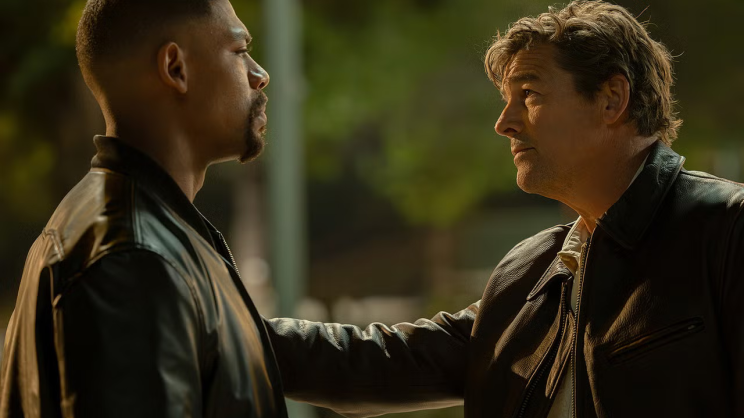
Through flashbacks, we learn that John’s father lost his opportunity to become the Green Lantern, and Hal was chosen in his stead. This results in both of John’s parents conditioning him from a young age to become fearless so that he could make up for his father’s missed opportunity and eventually replace Hal. Not only is this a highly original and refreshing take on a superhero origin, but it also brilliantly frames the relatable struggle of parents forcing their children onto a fixed path instead of letting them pursue their own dreams and passions.
Mirroring his comic book origin, Hal’s father was an Air Force test pilot who died in a crash. However, this is recontextualised by the revelation that the crash may not have been an accident, but rather self-inflicted. He struggled with depression and suicidal ideation, which he feared he might have passed down to Hal. Thus, his fear comes from a different kind of conditioning: the idea that he may be just as mentally broken as his father. The way both John and Hal navigate and overcome this conditioning is the crux of Lanterns and why this show is so good.
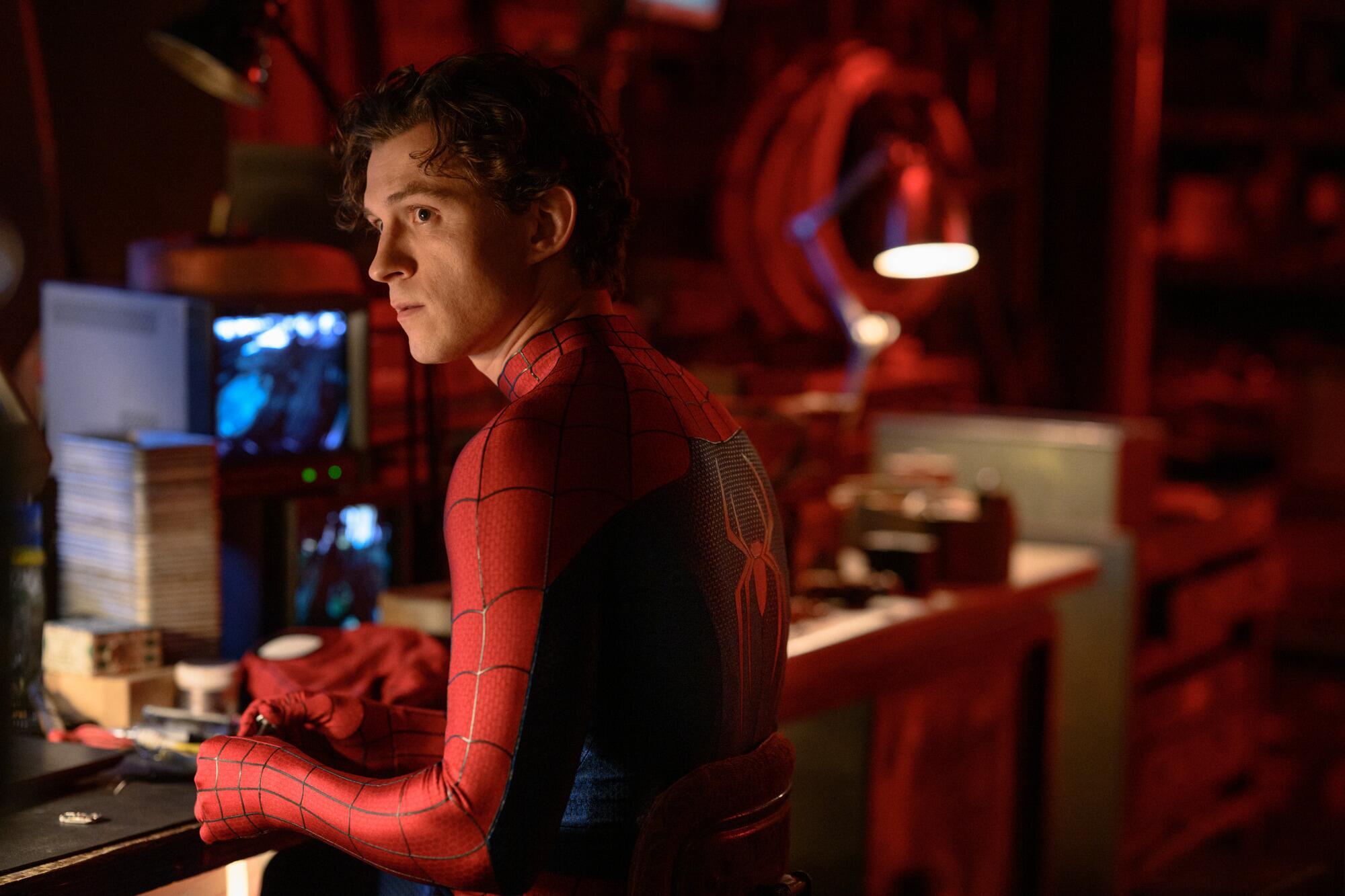
Despite the strong character portrayals, Lanterns also makes some jarring deviations from the source material and polarising plot decisions that hold it back immensely. While the core Rushville/Manhunter mystery keeps you tuned in, the show tries to weave in a theme of empathy towards the antagonists that completely falls flat, especially considering the nature of their actions, which ultimately culminates in a somewhat controversial ending.
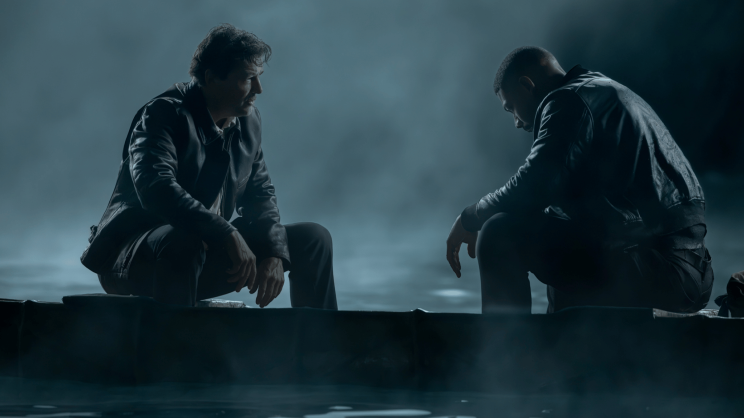
Outside of a few scenes, the show almost entirely avoids the cosmic, space-opera nature of the Green Lantern comics – from the aliens all being depicted with human disguises to the story being set primarily in a small town on Earth. The writers deviate from the “show, don't tell” narrative technique, with characters making many references to the more interesting and grand elements of the Green Lantern lore without actually showing them on screen. Besides the climactic midpoint of the fifth episode, the show also severely lacks any action or heroics that one would expect from the genre.
Overall, Lanterns reaches great heights with its deep personal journey for both its main leads and core themes, but the grounded approach to the storytelling and presentation prevents it from truly soaring. Despite its shortcomings, Lanterns serves as a worthy entry into the DCU, paving the way for larger stories in the shared cinematic universe and successfully revitalising the Green Lantern franchise after the failure of the 2011 film.
 For all latest news, follow The Daily Star's Google News channel.
Comments