


One law for the powerful, another for the rest?

As a member of parliament, I have spent this past week struggling to answer a question from the people of Dhaka-14: on what basis does this government decide whom to arrest, and how quickly?
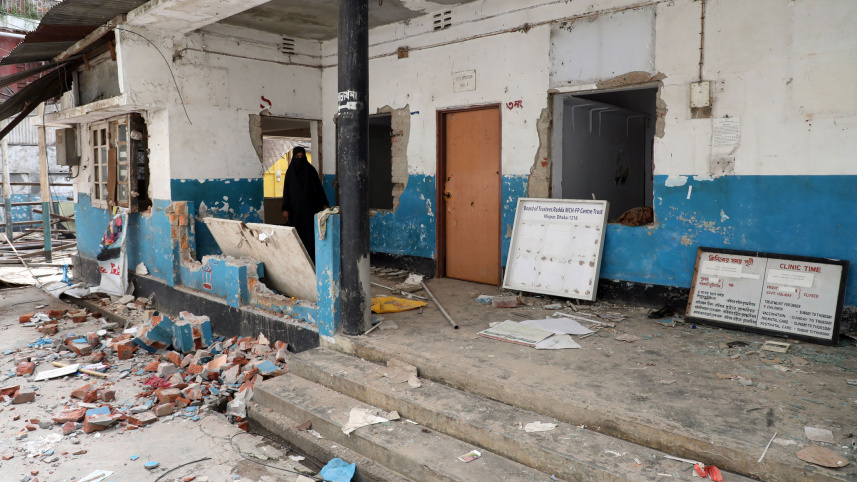
On the night of September 24, more than 200 masked men, some carrying locally made weapons, entered the Radda MCH-FP Centre in Mirpur-1, in my constituency. They tied up the two security guards, looted equipment, medicines, vaccines and cash, and then brought in excavators to demolish the buildings. By morning, a shopkeepers’ cooperative’s signboard stood where the clinic had been. The centre was opened in 1974 at the initiative of Rädda Barnen, the Swedish section of Save the Children International, and for half a century it has served the poorest mothers and children of Mirpur with maternal care, immunisation and family planning. The centre says around 400 people came through its doors every day. A government-run measles-rubella vaccination campaign was due to begin there on September 26; health workers vaccinated children at a makeshift table beside the rubble.

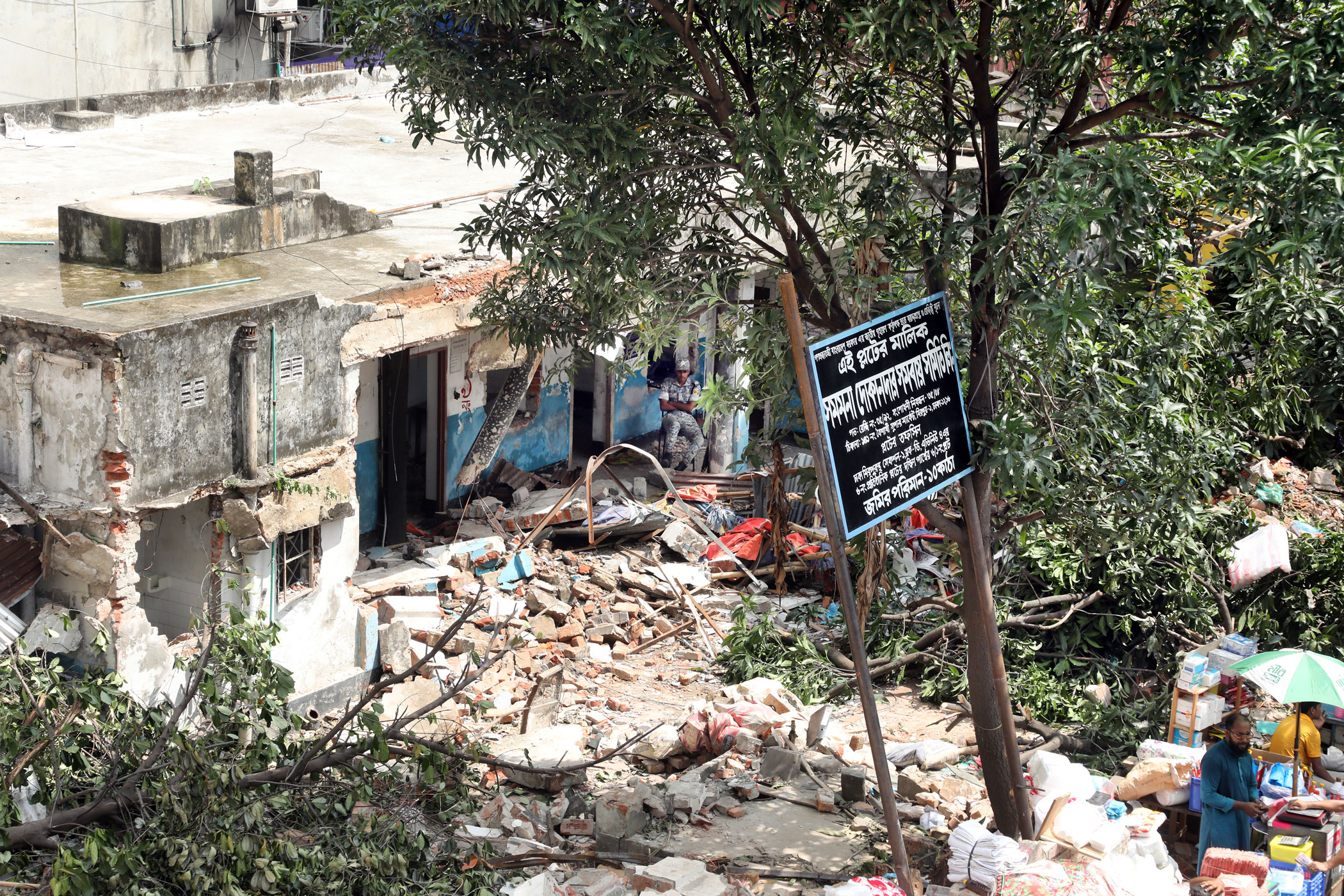
The authorities did act. So far, 19 people have been arrested in connection with the attack. Meanwhile, the DMP commissioner ordered an inquiry into why police failed to respond despite a station being nearby, the OC of Shah Ali Police Station was withdrawn, and the home minister indicated last week that a local member of parliament in reserved seat was under investigation. But look at who is in custody: some of them are young men in their early 20s. An operation involving some 200 people and an excavator hired in advance was not planned by these men. Local residents and opposition leaders have been alleging the involvement of ruling party figures, including the above-mentioned lawmaker, who resigned from her post on October 1. Allegations are not proof, but allegations of this weight demand that a proper investigation travel upwards. More than a week on, those who planned, financed and stood to profit remain largely free.
The same weekend, an armed mob wrecked content creator Salman Muqtadir’s studio near ECB Chattar. Salman alleged extortion; the home minister called it a land dispute. A case names 213 people, and eight people have been arrested so far. Yet, again, no one seems to ask who sent them in the first place.
Now consider the contrast. On October 1, umrah pilgrims arriving on a Biman flight from Medina waited at the baggage belt amid a shortage of trolleys and long delays for their luggage and Zamzam water. Among them was Major (retd) Akhtaruzzaman, a senior citizen, a freedom fighter and a two-time former MP. He lost his temper, and a video of the confrontation spread online.
A case was filed early the next morning under eight sections of the Penal Code, from obstructing public servants to criminal intimidation and assault. Detectives arrested Akhtaruzzaman at his home that same evening, and he has since been placed on remand. I will not pretend he behaved well. A man of his experience should have kept his composure, and losing his temper with officials, however exasperated he was, is open to fair criticism. But stretching an angry exchange over trolleys and luggage into a sweeping list of criminal charges looks less like law enforcement than a message to the opposition. For a senior citizen with a known address, the law offers summons and bail. Why did this case, of all cases, need the Detective Branch within a day and a half, and a remand?
What stirred so many who watched that video was not one man’s outburst but its familiarity. What Akhtaruzzaman endured for a few hours is routine for migrant workers whose remittances have kept this economy afloat through every crisis. The airport’s own lost and found records have shown an average of around three luggage thefts reported every day, and our social media feeds are full of returning workers weeping beside slit suitcases, years of savings gone. A government that aims to spend billions on aircraft purchase cannot keep enough trolleys at its own gateway. Most of these workers will never get anywhere near a policymaker. When did a baggage theft syndicate last face the Detective Branch within 36 hours? A state that can find a former MP at his home before nightfall is not short of capacity. It is short of will, and that will appears to be selective.
Put these cases side by side and a pattern emerges: the law moves swiftly against the opposition and the poor, and slowly, if at all, up the chain of political patronage. Land-grabbing, extortion and protection of criminals by the politically connected have become so ordinary that many young Bangladeshis now treat politics and crime as synonyms. That is the most dangerous lesson a generation can learn, because it tells them the only way to be safe is to be connected. This is precisely what the July uprising, the referendum and the constitutional reform were meant to end, through balance of power and institutional accountability. A two-thirds majority can use its strength to entrench those reforms, or it can bulldoze everything in its path, as majorities before it did.
What is needed is not complicated. The Radda investigation must be independent, time-bound and public, reaching the planners and beneficiaries rather than stopping at the hired hands, and the centre must be restored at the expense of those responsible. Police inaction in politically linked crimes deserves independent scrutiny, so that response times do not depend on the party colour of a suspect. The airport needs a working grievance and compensation system, published data on baggage theft, enough trolleys for peak arrivals, and a dedicated desk for returning workers. And parliament should examine whether equal treatment under the law exists in practice; the opposition stands ready to work with the government on it.
This nation was given a rare chance at a new beginning; it would be a tragedy to waste it repeating the habits that brought us to the brink. Those who refuse to learn from history are condemned to repeat it. In Mirpur, the vaccines came back before the walls did, because ordinary people refused to abandon their community. The least the state can do is show that the law, too, is still standing, and that it stands equally for all.
Barrister Mir Ahmad Bin Quasem (Arman) is member of parliament for Dhaka-14, member of the Parliamentary Standing Committee on the Ministry of Foreign Affairs, and adviser on foreign affairs to the leader of the opposition in parliament.
Views expressed in this article are the author's own.
Follow The Daily Star Opinion on Facebook for the latest opinions, commentaries, and analyses by experts and professionals. To contribute your article or letter to The Daily Star Opinion, see our guidelines for submission.
 For all latest news, follow The Daily Star's Google News channel.
Comments