


15 years later, Tareque Masud’s last journey still echoes

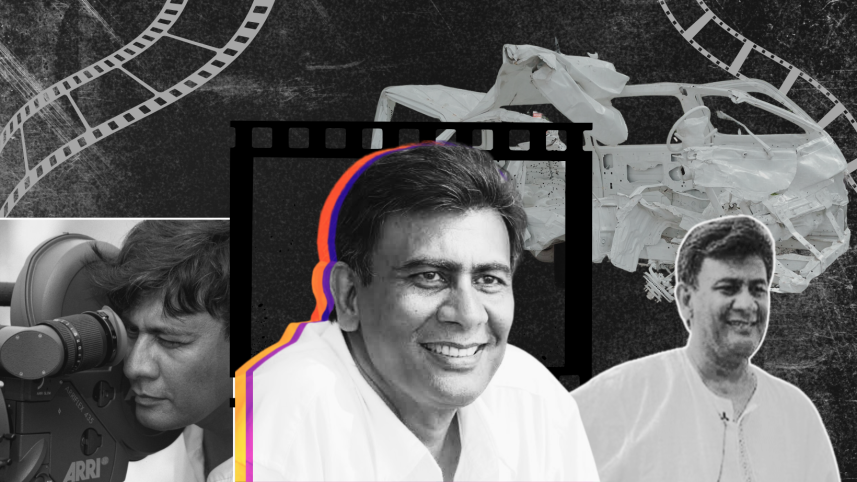
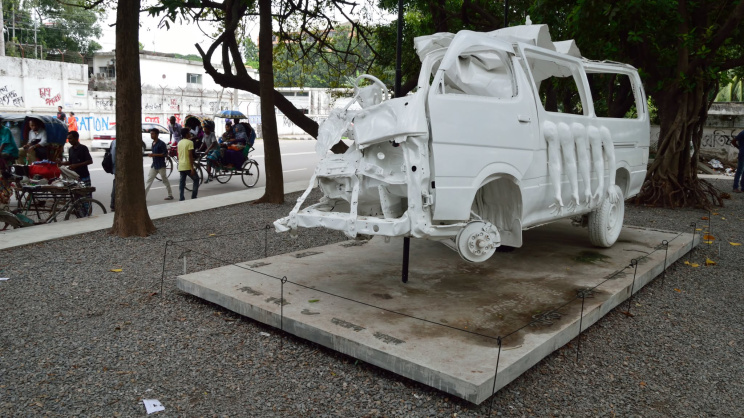
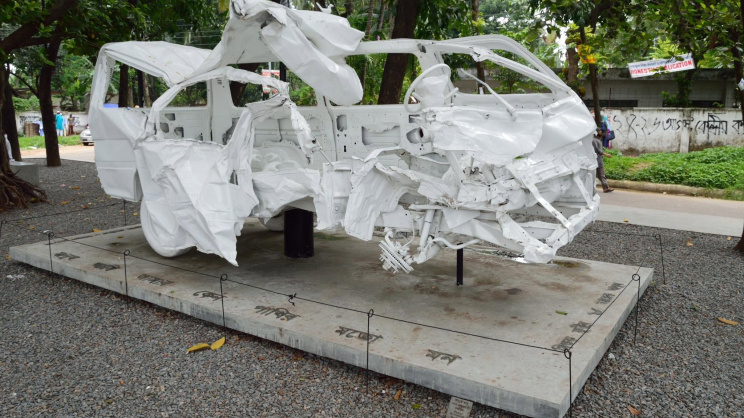
A strange piece of wreckage stands quietly in front of Shamsunnahar Hall at Dhaka University. Every day, students and passersby walk past it. Many do not know what it is or to whom it once belonged. The memorial has stood there for over a decade now.
I first saw it ten years ago, walking past Shamsunnahar Hall with my mother. She stopped and told me who Tareque Masud and Mishuk Munier were, and why we should never forget them. I did not fully understand it then, but her words stayed with me. Over the years, I came to understand the weight of what that wreckage represents.
Tareque Masud was one of Bangladesh’s most respected independent filmmakers. He was a director, producer, screenwriter and lyricist who devoted his life to cinema. His films focused on Bangladesh, its people, history and struggles. His documentary “Muktir Gaan” brought stories of the Liberation War to a wider audience.
His first feature film, “Matir Moina”, earned international recognition after being screened at the 2002 Cannes Film Festival. It won the FIPRESCI Prize at the Directors’ Fortnight and became the first Bangladeshi film to compete for the Academy Award for Best Foreign Language Film. Mishuk Munier was a renowned journalist, cinematographer and media personality. He was also known for his work in television and visual storytelling. Together, they represented two important sides of Bangladesh’s creative world.

On August 13, 2011, Tareque Masud and Mishuk Munier were travelling to Manikganj with their team. They had visited a location in Shibalaya and were on their way to meet the deputy commissioner about permission to shoot for Tareque’s upcoming film “Kagojer Phool”. Their microbus collided head on with a bus on the Dhaka Aricha highway in Ghior. Tareque Masud, Mishuk Munier, film production crew members Wasim and Jamal, and microbus driver Mostafizur Rahman were killed in the crash. The news sent shockwaves through the country. Tareque’s wife Catherine Masud, painter Dhali Al Mamoon and his wife Dilara Zaman Jolly, and production staff member Saidul Islam were severely injured in the accident.
Years later, the wrecked microbus was preserved and turned into the Road Safety Memorial, unveiled on September 1, 2014 near the Teacher Student Centre (TSC) and Shamsunnahar Hall. Catherine Masud, Tareque’s wife and chairperson of the Tareque Masud Memorial Trust, said the survivors of the crash chose to preserve the wreckage, hoping it could serve a purpose in the future. Painted white, the damaged vehicle freezes a moment that changed the country’s cultural landscape forever.
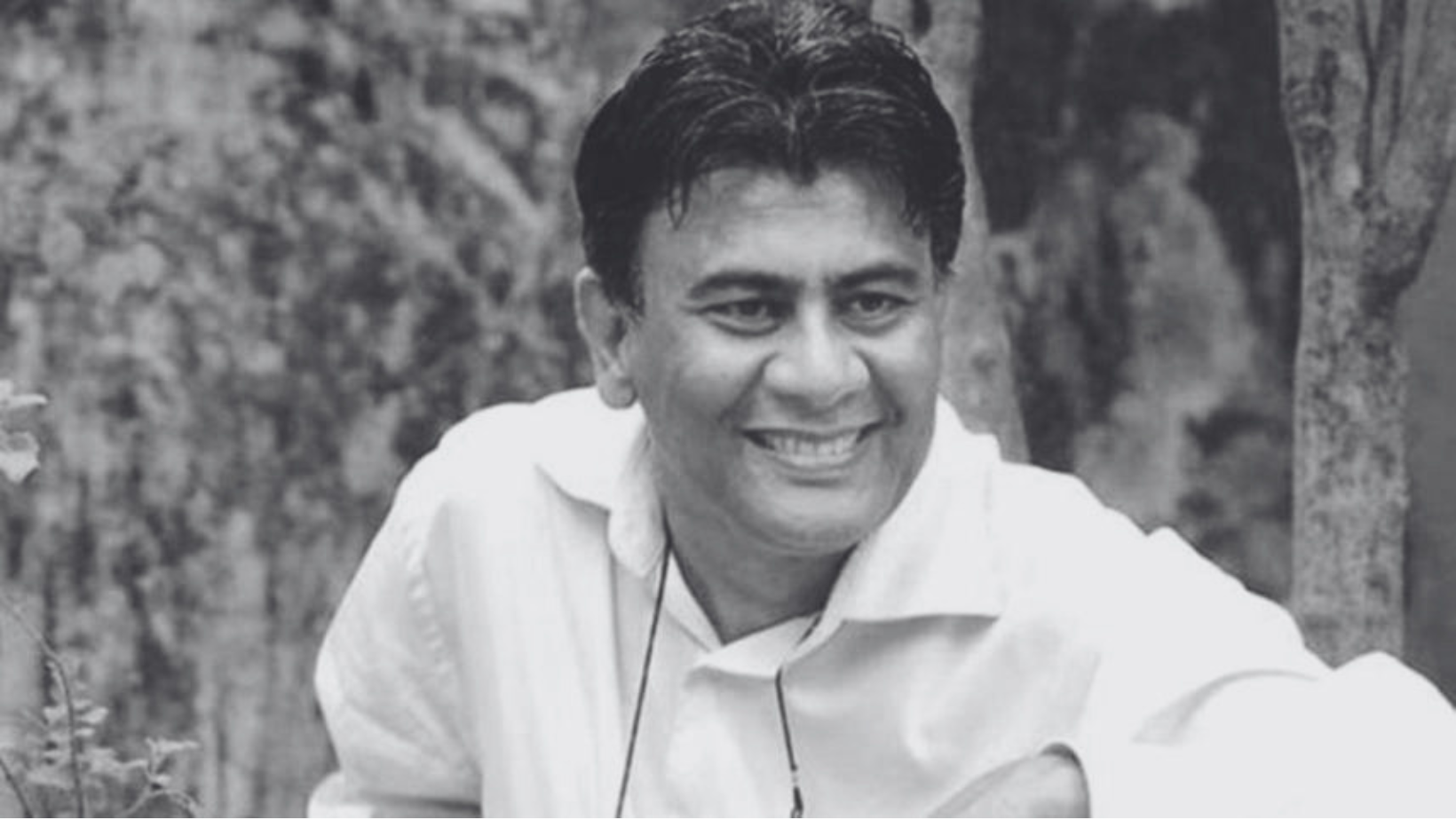
Fifteen years after his death, Tareque Masud continues to live through his cinema. His films still tell stories of Bangladesh and its people, keeping his vision alive for new generations. And on the campus he once walked through, his wrecked microbus still stands. It is no longer just a relic of loss but a quiet symbol of road safety. Every passerby who stops to look is reminded of a life taken too soon and a story that must never be forgotten.
 For all latest news, follow The Daily Star's Google News channel.
Comments