


15 years without Tareque Masud: The filmmaker who lived for cinema
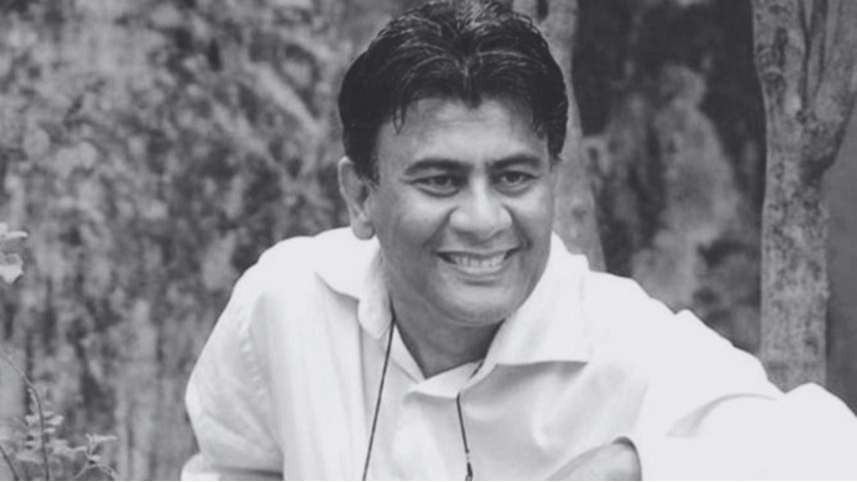
Noted filmmaker Tareque Masud dedicated his life to cinema, leaving behind the selfish pursuits that so often define a life. Instead, he chose to tell stories rooted in his own soil — stories of Bangladesh, its people, their struggles, memories and dreams. Fifteen years after his untimely death, his films continue to carry that vision forward.
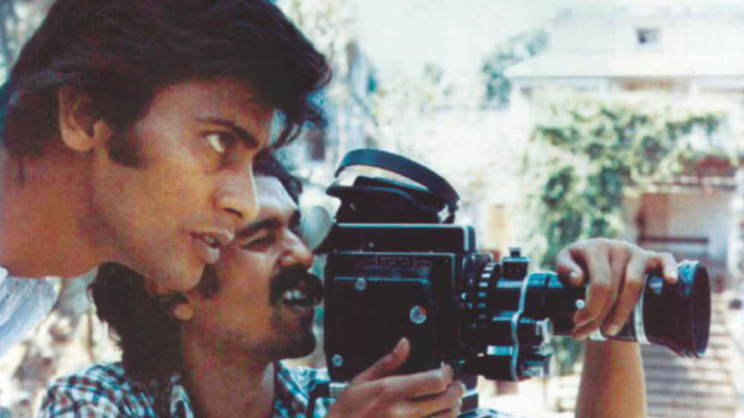
Thursday (August 13) marks 15 years since Bangladesh lost one of its most gifted filmmakers. On August 13, 2011, Tareque Masud was killed in a tragic road accident while returning from a location scout in Manikganj. His longtime colleague, renowned journalist and cinematographer Mishuk Munier, was travelling with him. Three others also lost their lives in the crash.

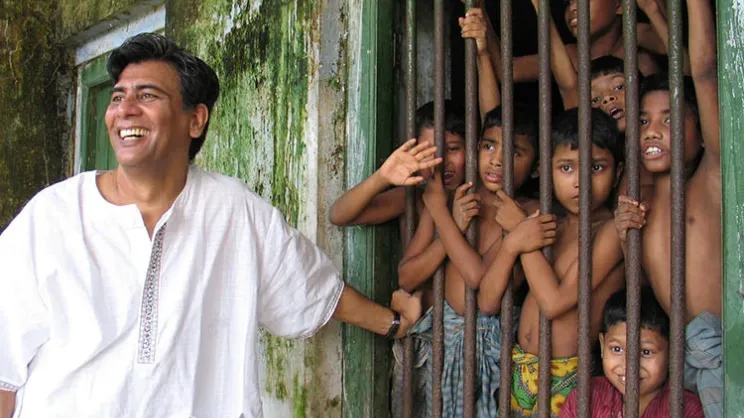
His death, at the age of 54, left a profound void in Bangladesh's cultural landscape. Yet, in the years since, Tareque Masud has remained more than a filmmaker remembered through his films. For generations of young filmmakers, he has become a dream, an inspiration and a reminder of what cinema can achieve when it is pursued with conviction.
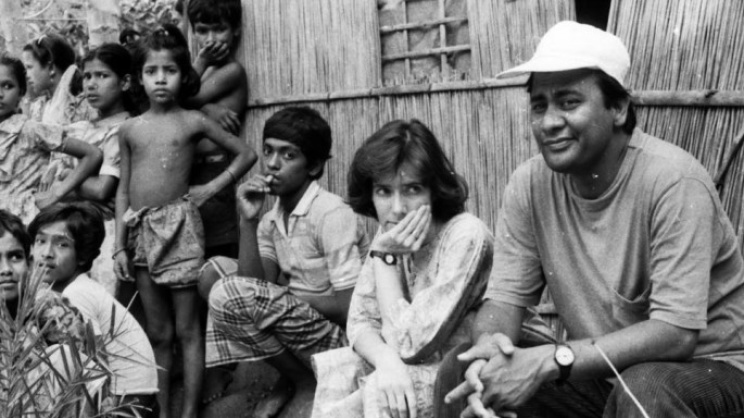
Tareque Masud loved cinema deeply. Many consider him a true warrior for the art form — someone who spent his entire life fighting for meaningful filmmaking and for a stronger film culture in Bangladesh. He lived simply, worked tirelessly and remained committed to telling stories that reflected the country he knew and loved.
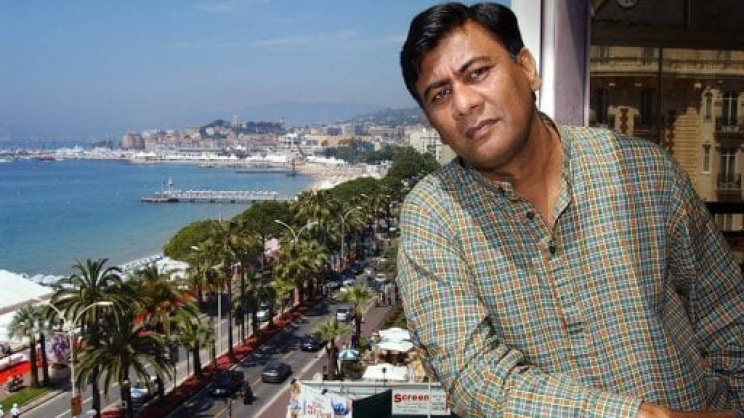
His journey in cinema was marked by an unwavering belief in the power of storytelling. Rather than looking beyond Bangladesh for subjects, he found inspiration in its history, people and everyday realities.
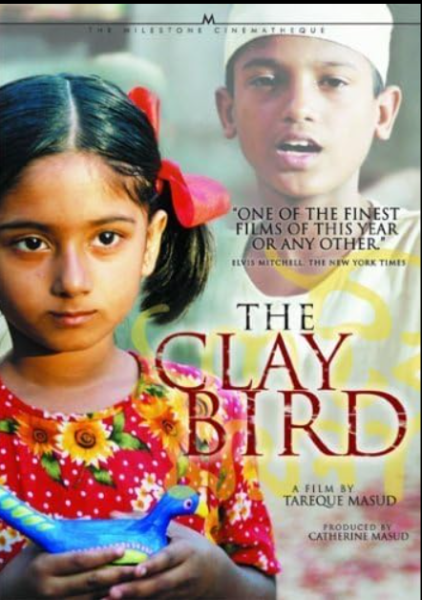
That vision earned him international recognition with his debut feature film, "Matir Moina". The film premiered at the 2002 Cannes Film Festival, where it was selected for the Directors’ Fortnight section. It went on to win the International Critics’ Week FIPRESCI Prize, bringing unprecedented international attention to Bangladeshi cinema.
"Matir Moina" was deeply personal, drawing from Tareque Masud's own childhood experiences against the backdrop of Bangladesh's political and social upheaval. Yet its themes of faith, family, identity and growing up resonated far beyond the country's borders.
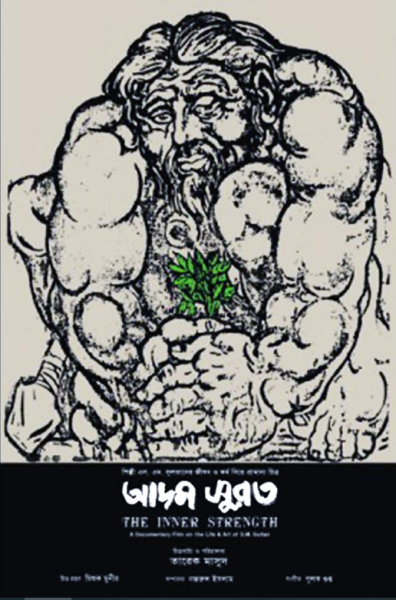
His other feature-length films included "Ontorjatra" and "Runway", both of which reflected his distinctive approach to storytelling. Alongside his feature films, he created several acclaimed short films and documentaries, including "A Kind of Childhood", "Nari Kotha", "Muktir Kotha", "Adam Surat" and "Muktir Gaan".
Through these works, Tareque Masud explored the many layers of Bangladesh — its history, its people, its struggles and its collective memory. His filmmaking was never simply about creating films; it was an effort to preserve stories and give a voice to experiences that might otherwise be forgotten.
Fifteen years after his death, his absence is still deeply felt. But so is his presence.
For Bangladesh's film community, Tareque Masud remains a symbol of courage, integrity and an uncompromising love for cinema.
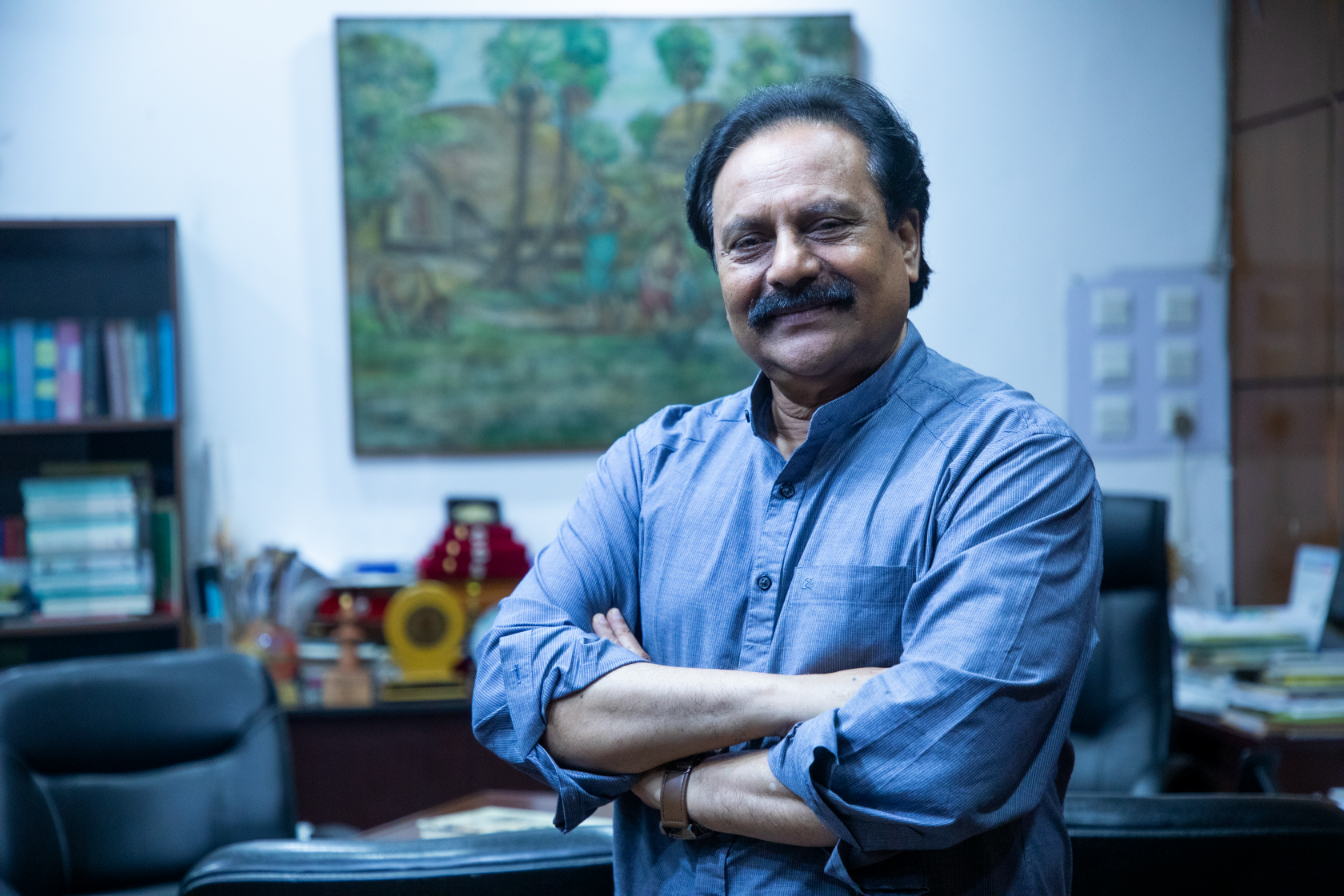
He may have left this world 15 years ago, but the filmmaker who devoted his life to telling the stories of his land continues to speak through his films.
 For all latest news, follow The Daily Star's Google News channel.
Comments