


Before AI revived the ’80s, what made Dhallywood’s golden era iconic?

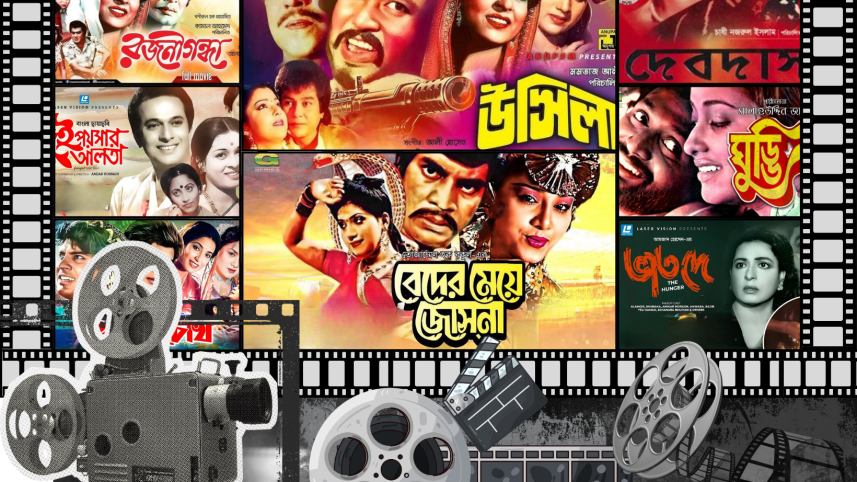
For the past few days, social media has been awash with an ’80s-inspired trend. From hairstyles and outfits to vintage poses, many have used AI-generated images to recreate the look of the decade. Today’s generation calls it “vintage cool”. And if these looks really are inspired by the cinema of that era, perhaps it is time to revisit the films of the ’80s.
The 1980s were a golden chapter in Bangladeshi cinema. Alongside mainstream commercial films, the decade also saw the emergence of alternative cinema. Commercial, folk and action films flourished, while realistic and literary adaptations also found their place on screen.
The decade belonged to stars such as Nayak Raj Razzak, Shabana, Babita, Kabori, Alamgir, Sohel Rana, Zafar Iqbal, Rozina, Wasim, Ilias Kanchan, Olivia, Bulbul Ahmed, Sucharita, Anju Ghosh and Rubel. At the same time, filmmakers such as Abdullah Al Mamun, Amjad Hossain and Syed Salahuddin Zaki were shaping a different kind of cinema, featuring actors including Afzal Hossain, Humayun Faridi, Raisul Islam Asad and Suborna Mustafa.

The decade began with several significant releases. Abdullah Al Mamun’s “Sakhi Tumi Kar” (1980), starring Raj Razzak, Shabana and Farooque, explored a love triangle, while Amjad Hossain’s “Koshai” (1980), featuring Alamgir, Babita and Rozina, went on to win National Film Awards.
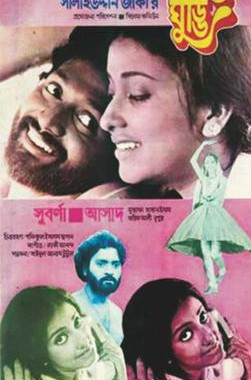
Syed Salahuddin Zaki’s “Ghuddi” (1980) marked Suborna Mustafa’s film debut alongside Raisul Islam Asad and Tariq Anam Khan. Considered a modern film for its time, it also introduced audiences to the timeless song “Abar Elo Je Shondhya”, written and composed by Happy Akhand and Lucky Akhand. Abdullah Al Mamun’s “Ekhoni Shomoy” (1980), starring Babita, Uzzal and Abul Khair, earned him the National Film Award for Best Director.
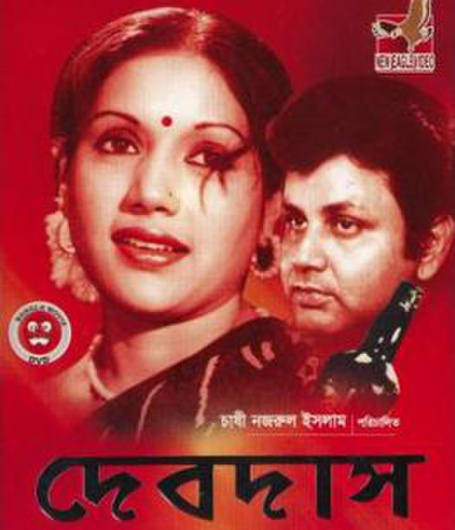
The following years brought an equally memorable run of films. Amjad Hossain’s “Jonmo Theke Jolchhi” (1981) starred Bulbul Ahmed, Babita, Anwara, Prabir Mitra and Sumita Devi. In 1982, Chashi Nazrul Islam adapted Sarat Chandra Chattopadhyay’s “Devdas”, with Bulbul Ahmed in the title role, Kabori as Parvati and Anwara as Chandramukhi.
That same year saw the release of “Boro Bhalo Lok Chhilo”, “Dui Poysar Alta" and "Rajanigandha”. Amjad Hossain’s “Dui Poysar Alta”, starring Shabana, Raj Razzak, Nuton and Anwara, won National Film Awards in four categories.
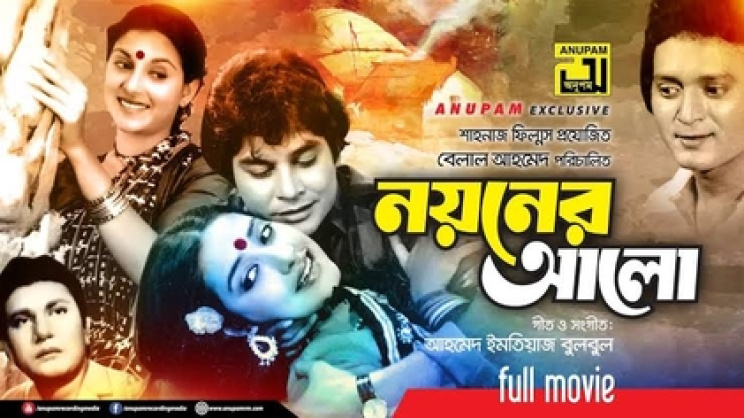
In 1983, “Notun Bou”, directed by Abdul Latif Bachchu, brought Babita opposite Afzal Hossain, with Raisul Islam Asad and Suborna Mustafa also in the cast. A year later came Amjad Hossain’s “Bhat De”, starring Shabana, Alamgir, Rajib and Anwar Hossain, with child actor Ankhi Alamgir. The film won nine National Film Awards and is known as the first Bangladeshi film screened at the Cannes Film Festival. “Noyoner Alo”, directed by Belal Ahmed, also became a popular release that year, featuring Zafar Iqbal, Kajori and Suborna Mustafa.
The mid-’80s brought more memorable titles. “Tin Kanya” (1985), directed by Shibli Sadiq, featured Suchanda, Babita and Champa as three sisters in real life. “Premik”, released the same year, paired the stylish Zafar Iqbal with Babita, alongside Anjana and Nuton.
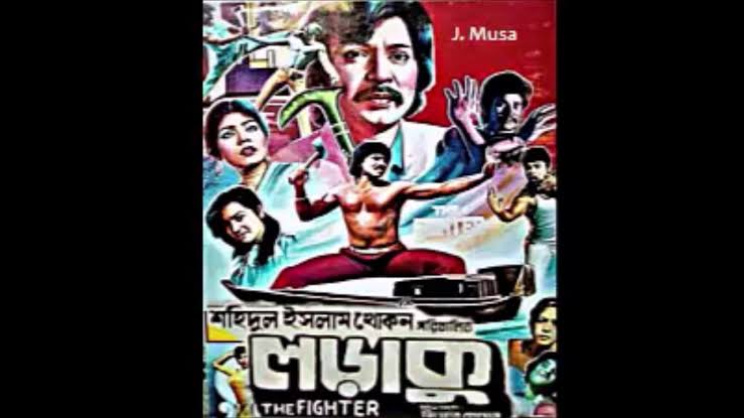
In 1986, Shahidul Islam Khokon’s “Laraku” introduced Rubel as a leading man and helped establish a new trend of action and karate-based films in Bangladesh. “Usila”, starring Shabana, Uzzal, Zafar Iqbal, Diti and Sunetra, was another notable release.
The latter half of the decade continued the run of popular and critically recognised films. “Opekkha” (1987), directed by Dilip Biswas, featured Alamgir, Shabana, Zafar Iqbal and Sucharita. Abdullah Al Mamun’s “Dui Jibon” (1988), starring Bulbul Ahmed, Kabori, Afzal Hossain and Diti, won National Film Awards in six categories. Shibli Sadiq’s “Bheja Chokh”, featuring Ilias Kanchan and Champa, was another popular release that year.
Then came 1989’s “Beder Meye Josna”, directed by Tozammel Haque Bokul and starring Ilias Kanchan and Anju Ghosh. It went on to become one of the biggest commercial successes in the history of Bangladeshi cinema.
The decade also gave audiences films such as Azizur Rahman’s “Chhutir Ghonta”, Badal Rahman’s “Emiler Goenda Bahini”, Raj Razzak’s “Obhijan”, Sheikh Niamat Ali’s “Dahan”, and literary adaptations including “Parineeta”, “Rajlakshmi Srikanta” and ‘Shubhada”.
Looking back at ’80s cinema, however, means revisiting more than just films. It means returning to an entire era — its stars’ clothes and hairstyles, memorable dialogue, songs and colourful film posters. Together, they created a distinctive visual and cultural identity.
That nostalgia remains alive even today. So, beneath the sheen of today’s “vintage cool” lies something familiar: the colours, textures, music and stories of the golden age of Bangladeshi cinema.
 For all latest news, follow The Daily Star's Google News channel.
Comments